
 E-Paper



Strengthening preparedness through sustained climate leadership
This article is authored by Mehdi Hussain, former research associate, Indian Council of World Affairs, New Delhi.

 Prefer HTon Google


The climate crisis consistently amplifies weather-related disasters and vulnerability by undermining resilience-building efforts. The World Meteorological Organization projects that by 2100, extreme droughts could affect twice as many people, especially in the Global South, while shrinking water storage threatens rural livelihoods and drives migration. Sea level rise may endanger assets worth 20% of global GDP, with coastal flooding intensifying in Europe and Asia. Rising temperatures could expose 500 million more people to diseases like malaria by 2050, as biodiversity loss and urbanisation boost disease vectors. Wildfire seasons may extend by three months in vulnerable areas, and the most severe tropical cyclones are projected to occur twice as often under a 2.5°C warming scenario.
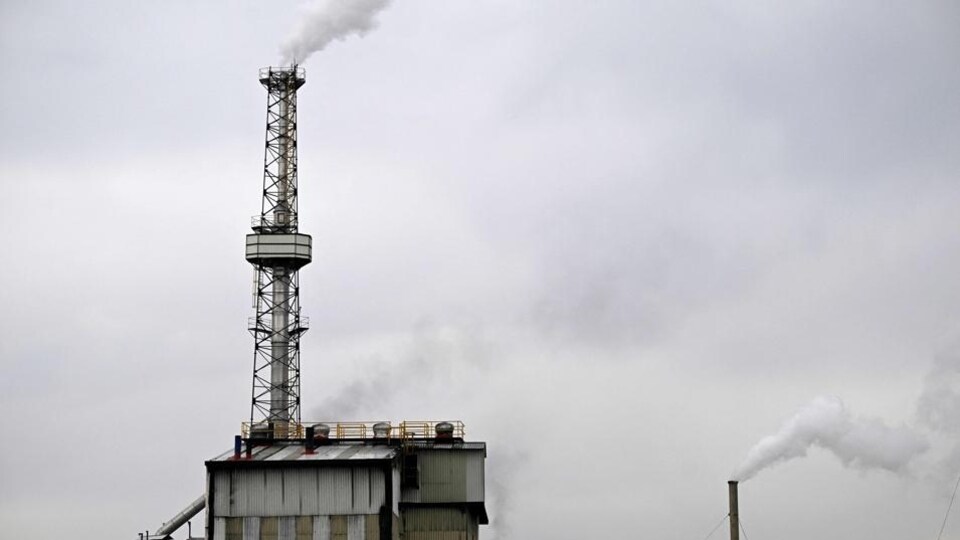
Developing countries are at a critical juncture, facing both pressing development needs and the climate crisis challenges. Their development priorities include poverty alleviation, infrastructure expansion, health care, and education. As they strive for economic growth, the developing countries are also vulnerable to climate-related risks. This dual challenge demands integrated strategies that align climate resilience with inclusive development. It should be supported by adequate financing, technology transfer, and global cooperation.
Countries have several international frameworks, such as the Paris Agreement and the Sendai Framework for Disaster Risk Reduction, to harmonise climate crisis policies across countries, which will facilitate institutional coordination to implement climate-resilient strategies. The Climate Change Performance Index 2025, prepared by Germanwatch, reveals that no one country is doing enough to meet the goals of the Paris Agreement. It monitors countries’ climate actions in four categories: greenhouse gas emissions, renewable energy, energy use, and climate policy.
According to Oxfam, the G20 is responsible for approximately 78% of GHG emissions, and these emissions are projected to increase by 10.6% by 2030. It also emphasises that the richest G7 and G20 countries must further strengthen their domestic climate action and significantly increase climate finance commitments.
Many governments face significant challenges in advancing climate action due to limited political will, inadequate financial resources, and weak institutional coordination. Several studies have found that adaptation initiatives, such as early warning systems in countries like India and Bangladesh, have shown improvement. However, they lack sufficient integration of structural and social preparedness across policy sectors.
Governments have demonstrated leadership by updating their Nationally Determined Contributions (NDCs), which include phasing out fossil fuel subsidies and scaling up renewable energy sources. NDCs reinforce global commitments, demonstrating that each country is committed to achieving the SDGs. It was supported by institutional leadership provided by UNDP’s Climate Promise. For instance, all NDCs supported through it include energy-related goals or policies, while 90% also incorporate the agriculture sector. Achieving these goals not only addresses the climate crisis but also advances sustainable development objectives, such as improving energy access and ensuring food security.
The IPCC, WMO, and UNFCCC continue to lead and support efforts by generating scientific consensus, facilitating dialogue, and monitoring global progress. G20 leadership in climate crisis action is crucial to meeting the 1.5 ℃ target. High-income G20 countries provide financial and technological support to lower-income countries in this effort.
However, leadership in climate action is not just about formulating target goals and action plans. Most importantly, it is about delivering ambitious emission reduction targets, executing integrated strategies that address climate risk alongside national development, and strengthening international cooperation.
Leadership with accountability to deliver promises requires implementing reports from independent climate commissions, regular stocktakes, and carbon pricing tools, among other measures.
The OECD 2021 report states that local governments lack the authority and resources to implement adaptation plans at the local level. Local-level leadership in cities, municipalities, regions, and states is where the implementation of climate targets needs to be strengthened. These sub-national governments are at the forefront of addressing climate-related challenges. Local governments play a crucial role in achieving long-term sustainability through measures that promote low-emission and climate-resilient development. It cannot be done without empowering the local governments.
Local leaders play a crucial role in translating climate goals into concrete actions, effectively bridging the gap between national commitments and implementation at the community level—through a global network of local governments that connects policy, knowledge sharing, and learning from one another. For example, the Climate Group’s Under2Coalition of subnational governments seeks to accelerate policy adoption and enhance implementation by sharing global insights on successful and unsuccessful approaches. Others include America is All In, the UN-Habitat, the C40 global network of mayors, and the Global Covenant of Mayors.
Addressing the climate crisis depends majorly on effective climate leadership delivering timely action with a commitment to fairness and concrete implementation. To secure a climate-resilient future, governments must strengthen their leadership, integrate systemic risk into national planning, and scale up comprehensive disaster and climate risk management across sectors. This requires aligning National Adaptation Plans and development strategies with robust risk analytics, inclusive governance, and measurable targets. Investing in resilient, low-carbon infrastructure and nature-based solutions is crucial, as is leveraging innovative, risk-informed financing and engaging the private sector to drive sustainable development. Empowering communities, primarily through gender equality, social protection, and a renewed social contract, is vital to ensure no one is left behind. Finally, public awareness must be driven by science-based communication, impact-based early warnings, and accessible climate information to shift behaviours and reduce vulnerabilities.
This article is authored by Mehdi Hussain, former research associate, Indian Council of World Affairs, New Delhi.


