
 E-Paper



India’s gold mining industry can spark job creation
This article is authored by Hanuma Prasad Modali, managing director, Deccan Gold Mines Limited.

 Prefer HTon Google


Gold has long held a sacred and economic significance in India. From temples to households, it symbolises wealth, stability, and prosperity. Yet, paradoxically, a nation historically associated with this precious metal has watched its gold mining industry lie dormant for decades. Today, as India stands at the threshold of revival in this sector, the opportunity to reshape employment, infrastructure, and affordability is not only immense but also deeply meaningful.
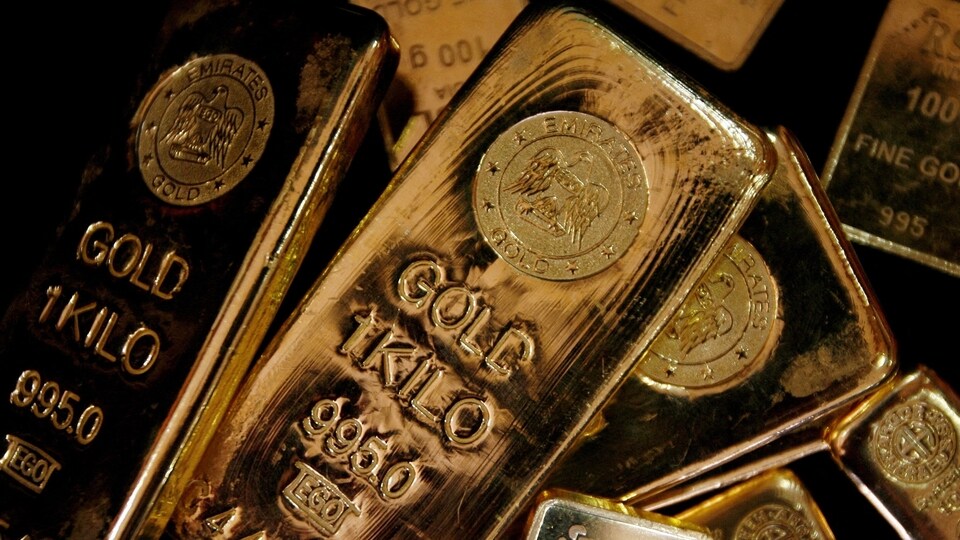
India’s relationship with gold mining stretches across centuries and multiple States that once hosted thriving mining communities that helped power local economies and contributed to national growth.
During colonial times, the Kolar Gold Fields and Hutti Mines represented industrial excellence and regional transformation. Kolar pioneered India’s first hydroelectric power station and a dedicated railway network, employing over 5,000 workers who formed the foundation of a bustling township. Hutti Mines too became a hub of prosperity, supporting livelihoods, local businesses, and community infrastructure. Together, these operations showcased how mining could elevate even the most remote regions through jobs, commerce, and connectivity.
However, post-Independence, this once-vibrant sector lost momentum. Exploration and investment slowed, new mines failed to emerge, and regulatory uncertainties discouraged private participation. Despite abundant geological potential, India became almost entirely dependent on imports to satisfy its domestic appetite for gold.
As one of the world’s largest consumers of gold, India spends billions of dollars annually on imports, straining foreign exchange reserves and pushing domestic prices higher. The outcome is a striking paradox — a gold-rich nation that pays a premium for its own demand, impacting affordability for consumers and widening the trade deficit.
India’s geology holds vast untapped promise. Advances in exploration technology, progressive policy frameworks, and the nation’s renewed focus on Atmanirbhar Bharat have created the perfect conditions to rediscover this latent opportunity. Encouragingly, early signs of revival are already visible.
A shining example is the Jonnagiri Gold Project in Andhra Pradesh — India’s first operational gold mine developed after Independence. The project has invested ₹400 crore, generated over 500 direct jobs, and is poised to double that number. Indirect employment and community benefits are multiplying as local infrastructure improves, small businesses thrive, and government revenues grow through taxes and royalties.
Mining projects such as Jonnagiri demonstrate the multiplier effect of the sector. Beyond the mine gates, they stimulate roads, housing, healthcare, education, and utilities, uplifting entire communities. Each mine becomes a nucleus for inclusive growth, supporting contractors, transporters, service providers, and entrepreneurs far beyond the mining lease.
The broader economic impact is equally transformative. According to the World Gold Council’s 2022 report ‘Gold Mining: India Gold Market Series,’ each new gold mine in India typically involves capital investment of around ₹500 crore, creates about 1,000 direct and 1,000 indirect jobs, and contributes ₹200–300 crore annually in government revenues.
If India were to target production of 30 tonnes of domestic gold annually, it could generate roughly 30,000 direct jobs, and attract ₹15,000 crore in new investments. The ripple effects would be far-reaching — stimulating regional economies, reducing import dependency, strengthening the rupee, and gradually improving affordability for Indian consumers.
Gold mining does far more than produce metal; it produces momentum. Mines are often located in rural or semi-urban areas where economic opportunities are limited. Their establishment ignites change — from job creation to better education, healthcare, and connectivity. What begins as an industrial initiative soon evolves into a community transformation project.
Reviving India’s gold mining industry aligns seamlessly with national initiatives such as Atmanirbhar Bharat and Make in India. Domestic gold production enhances resource security, stabilises prices, and reduces reliance on imports. For millions of Indian families who view gold as a store of value and cultural asset, this revival promises more stable and affordable access to a metal deeply intertwined with their lives.
Moreover, gold mining fosters entrepreneurship. Local suppliers, contractors, transporters, and small enterprises all benefit from the ecosystem created by mining operations. It also fuels downstream industries such as refining, jewellery manufacturing, and processing — sectors where India already holds global leadership.
To fully unlock this potential, India needs policies that balance economic opportunity with environmental and social responsibility. Streamlined licensing, investor-friendly regulations, and strong governance frameworks will be crucial to attract both domestic and international investment. Modern mining practices — driven by technology, automation, and sustainability — can ensure minimal environmental impact while maximizing efficiency.
After decades of dormancy, India’s gold mining sector is finally showing signs of life — and with it, a renewed sense of possibility. With the right combination of policy support, technological innovation, and strategic investment, India could reclaim its rightful place among the world’s gold-producing nations.
Reviving India’s gold mining is not just about extracting a resource; it’s about rediscovering a legacy of resilience, innovation, and shared prosperity. Beneath India’s soil lies not only the promise of gold but also the promise of progress — of villages transformed, economies revived, and futures brightened.
As India reawakens this dormant potential, it takes a decisive step toward a more self-reliant, equitable, and prosperous tomorrow — a future where gold once again shines, not just as an ornament of wealth, but as a symbol of national resurgence.
This article is authored by Hanuma Prasad Modali, managing director, Deccan Gold Mines Limited.


