
 E-Paper



Private participation in Indian railways
This paper is authored by Nandan Dawda, Chitresh Shrivastva, ORF.

 Prefer HTon Google


The privatisation of railway operations has been a subject of intense debate in India, particularly in the context of improving efficiency, service quality, and financial sustainability. This brief examines the ongoing privatisation initiatives in Indian Railways, assessing their potential benefits and challenges. It explores case studies to understand the implications of privatisation, drawing lessons from successful models in other parts of the globe. While privatisation is expected to enhance operational efficiency and attract private investment, concerns regarding affordability, accessibility, and regulatory oversight persist. The brief underscores the importance of a strategic, phased approach, supported by robust regulatory frameworks, to ensure fair competition, uphold service standards, and promote equitable access. It concludes by outlining the way forward for a sustainable and inclusive privatisation strategy, aligned with India’s broader goals of economic development and social welfare.
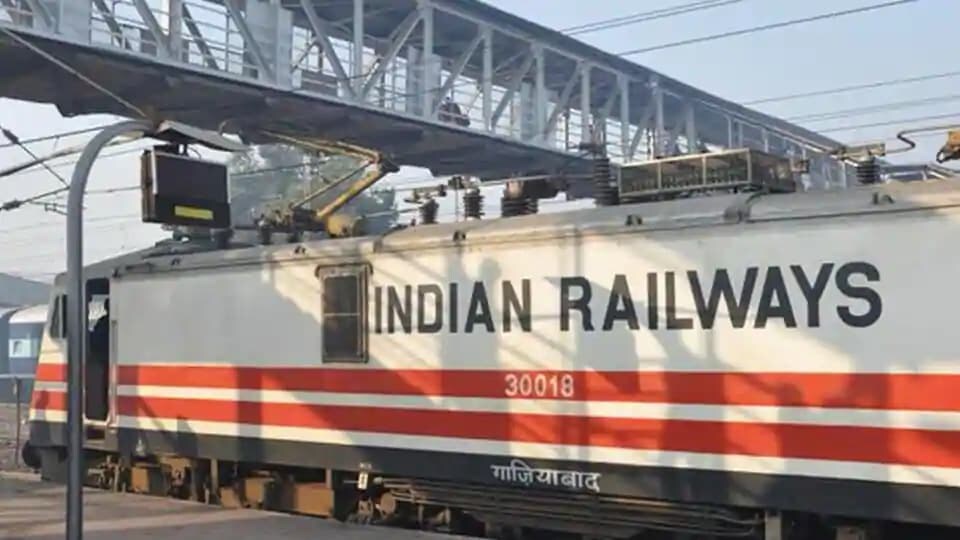
Indian Railways (IR) ranks as the fourth largest railway network in the world and the ninth largest utility employer globally, with a workforce exceeding 1.25 million. Operating over 22,000 trains across a network spanning 1,23,235 kilometres, Indian Railways includes 95,979 kilometres of running track and serves more than 7,000 stations. Of the total train operations, approximately 13,000 are designated for passenger services and 9,000 for freight movement, collectively transporting an estimated 23 million passengers daily.
This paper can be accessed here.
This paper is authored by Nandan Dawda, Chitresh Shrivastva, ORF.


