
 E-Paper



Silver’s economic rise in reshaping the financial ecosystem
This article is authored by Parth Sanghvi, senior consultant, Genpact.

 Prefer HTon Google


For generations, silver occupied a curious grey area in Indian households. It was everywhere and nowhere at once. Silver trays were displayed during festivals, coins were gifted to children, and jewellery sat in drawers as heirlooms, yet the metal rarely entered conversations around serious finance. Gold was the asset of choice, land was legacy, and fixed deposits were the embodiment of discipline. Silver, by comparison, was decoration: Charming, sentimental, and culturally resonant, but not particularly consequential in economic terms. That perception is now undergoing a profound, and in many ways overdue, transformation.
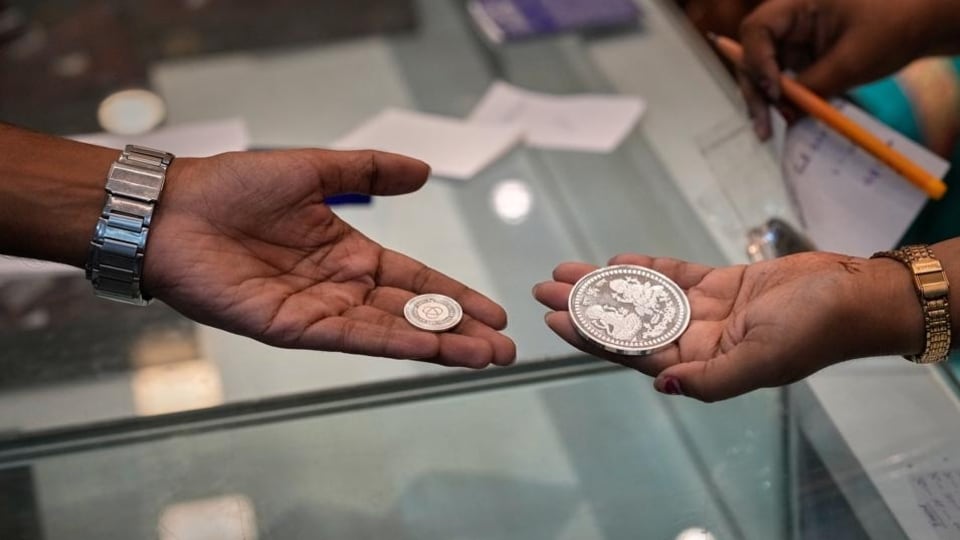
The shift is driven in part by the market itself. Domestic silver prices have risen sharply over recent years, recently crossing the ₹2 lakh per kilogramme threshold for the first time on Indian exchanges. A decade ago, such a figure would have seemed improbable. In the last five years alone, prices have jumped from the ₹60,000 range to nearly three times that level, outperforming several low-risk investment instruments. Markets have cycled through booms before, but what distinguishes the current phase is the fact that silver is no longer dependent solely on investor sentiment or precious metal speculation. Its price is now underpinned by structural demand that is both global and future-facing.
Silver sits at the intersection of industries that are shaping the next decade of global economic development: electrification, battery storage, medical instrumentation, microelectronics, semiconductors, solar power and electric mobility. Its unmatched conductivity, antibacterial properties and material stability make it indispensable in technologies that governments and corporations alike are heavily incentivised to scale. Unlike ornamental gold, which derives its value largely from cultural and financial symbolism, silver is increasingly a component of future infrastructure. Every solar panel, electric vehicle, data centre cooling system and advanced circuit board brings the metal into the realm of industrial necessity. Decarbonisation and digital expansion are not speculative trends; they are priorities embedded into national energy policies and multinational investment flows.
This industrial confidence has coincided with a behavioural shift among investors. Periods of geopolitical turbulence, supply chain uncertainty and fluctuating interest rate environments tend to push capital towards tangible assets. Commodities that offer both stability and future relevance are especially attractive in such cycles. Silver is uniquely positioned to benefit from this dual identity: Part precious metal, part industrial backbone. It offers the emotional comfort of materiality along with exposure to technologies that will shape the future economy.
Perhaps the most intriguing transformation is happening at the consumer level. Younger buyers, who often find gold financially and culturally distant, have embraced silver as an accessible means of value ownership. Jewellery is no longer merely an accessory but an entry point into asset-building. Silver is wearable, liquid, familiar and relatively affordable; it enables individuals to begin participating in the world of material value without navigating intimidating investment products or opaque financial institutions. This behavioural shift is visible in the marketplace. A recent nationwide retailer-led jewellery upgrade initiative saw over 5,00,000 pieces of artificial and old jewellery exchanged within just 20 days across hundreds of stores. The scope of participation — tens of thousands of customers across metros and smaller cities — underscores the fact that silver is not a niche trend confined to specific demographics. It is mainstreaming rapidly and democratically.
Volatility, usually considered a deterrent, has in this case strengthened silver’s long-term case. Market corrections have offered attractive entry points, and the strong industrial underpinning has provided a floor that speculative assets often lack. Unlike cryptocurrencies or sentiment-driven equities, silver is anchored in usage and utility, not fashion or hype. Its volatility is productive rather than existential.
Culturally too, silver aligns with contemporary sensibilities. Minimal, sustainable, gender-neutral and versatile, it appeals to the modern aesthetic far more than heavy gold ornamentation. Organised retailers increasingly refer to silver as the “gold of Gen Z”, a label that would have sounded provocative a decade ago but now feels descriptive rather than metaphorical.
The irony is difficult to miss: The metal once relegated to the sidelines of financial legitimacy is fast becoming one of the most structurally relevant materials of the future economy. Silver today is not merely jewellery. It is tangible participation in the architecture of the coming decades — worn, owned, circulated and embedded in the products, networks and energy systems that will define modern life.
This article is authored by Parth Sanghvi, senior consultant, Genpact.


