
 E-Paper



The Indian mango paradox
Authored by - Vijay Kanuru, founder, Nanoved Research Foundation and global entrepreneur in residence, Massachusetts Venture Development Center, Boston.

 Prefer HTon Google


This National Mango Day on July 22 presents one of Indian agriculture's greatest paradoxes. Americans are obsessively tracking Indian mango shipments, paying premium prices for Alphonso and Banganapalli varieties, and driving hundreds of kilometres to specialty stores to secure a box of Indian mangoes. Yet thousands of Indian mango farmers are struggling to recover even their basic cultivation costs.
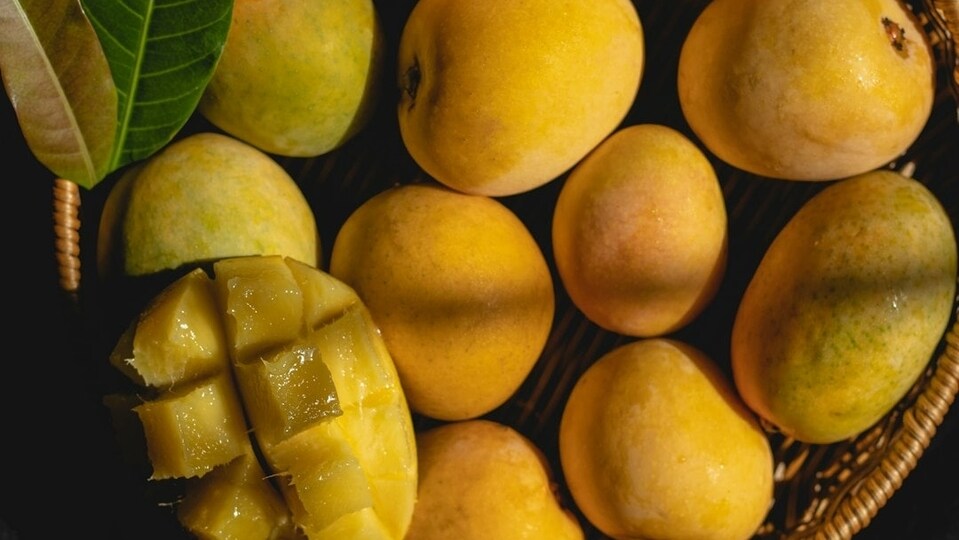
The world loves Indian mangoes. Indian mango farmers are struggling to survive.
Few agricultural products command the kind of emotional, cultural, and economic appeal that Indian mangoes do. From Wall Street Journal and Financial Times features documenting the annual frenzy for Indian mangoes in the US to Japanese and international media celebrating their arrival, Indian mangoes have quietly become a global phenomenon. In America, premium shipments routinely sell out within minutes. For many non-resident Indians, the arrival of mango season is less a purchase and more an annual homecoming.
The recent reports of Totapuri mangoes fetching barely ₹4 per kg in parts of Karnataka and Andhra Pradesh are deeply disturbing. It is difficult to reconcile such prices with the months of labour, irrigation, pest management, weather uncertainties, and financial risks that farmers endure.
How can some of the world's most desirable mangoes produce some of the world's most distressed mango farmers?
The answer is simple. The problem is not demand. The problem is everything that lies between the orchard and the consumer.
Indian mangoes are fundamentally different from most commercial mango varieties found across the world. Industrial agriculture can scale sweetness remarkably well. Replicating complexity is far harder.
Whether it is Alphonso from Maharashtra, Rasalu and Banganapalli from Andhra Pradesh, Sindhura from Karnataka, or Langra from northern India, each variety offers an extraordinary combination of flavours, aroma, texture, and nutritional richness shaped by India's unique biodiversity, soil conditions, and climatic ecosystems. Their aromatic profiles are driven by complex naturally occurring compounds and terpenoids that contribute not only to their distinctive sensory experience but are increasingly being studied for their nutritional and wellness potential.
Modern science is beginning to reveal that flavour and nutrition are often deeply interconnected. Mangoes are rich in carotenoids, polyphenols, antioxidants, dietary fibre, vitamins, and bioactive compounds that contribute to their nutritional value. Emerging scientific evidence suggests that compounds such as mangiferin and other phytochemicals found in mango fruit and leaves may have applications in metabolic health, inflammation, immunity, healthy ageing, diabetes management, and neuroprotection.
Beyond the fruit itself lies an untapped bio-economy. Mango leaves are increasingly being explored for herbal formulations, nutraceuticals, and phytopharmaceutical research. Mango seed kernels contain valuable oils, fatty acids, and bioactive compounds with potential applications in cosmetics, specialty food ingredients, and wellness products. What is routinely discarded in Indian orchards is often viewed abroad as a high-value ingredient.
The mango economy should, therefore, not end with fresh fruit sales. It should extend into nutraceuticals, functional foods, herbal products, cosmetic ingredients, premium fragrances, freeze-dried products, mango powders, and wellness formulations.
Technology like Artificial Intelligence can grade fruit quality and forecast demand. Blockchain-enabled traceability can authenticate premium Indian mango varieties for international markets. Smart sensors can monitor temperature throughout transportation, while digital marketplaces can directly connect farmer cooperatives with global buyers. Every mango should carry a digital passport from orchard to consumer.
Similarly, investments in cold-chain infrastructure, cooperative farmer-owned pulp and preservation units, and export facilitation can significantly reduce post-harvest losses and price volatility. Modern preservation technologies such as spray drying and freeze drying can convert excess mango production into value-added products with year-round commercial potential.
Government support should move beyond subsidies and compensation packages. Policymakers should invest in farmer education, export readiness, post-harvest infrastructure, and scientific capacity-building. Regional Mango Boards across major producing states such as Andhra Pradesh, Karnataka, Maharashtra, Uttar Pradesh, and Bihar could play a transformative role in providing technology transfer, quality standards, logistics support, and market intelligence.
Policymakers should not merely deliver speeches after every crisis; they must walk alongside farmers with scientific guidance, compassionate support, and sustained institution-building.
India has mastered the science of growing mangoes. It must now master the science of valuing them.
This National Mango Day, the world's consumers have already recognised the extraordinary value of Indian mangoes. It is time our policies do the same. The tragedy is not that Americans are paying a premium for Indian mangoes. The tragedy is that Indian farmers are unable to capture that premium.
If India can bridge the gap between global demand and farmer prosperity, National Mango Day will no longer be a celebration of a fruit alone. It will become a celebration of scientific innovation, farmer dignity, and one of India's greatest agricultural gifts to the world.
(The views expressed are personal)
This article is authored by Vijay Kanuru, founder, Nanoved Research Foundation and global entrepreneur in residence, Massachusetts Venture Development Center, Boston.


