
 E-Paper



Decoding Russia’s position on Pahalgam and Op Sindoor
This article is authored by Pravesh Kumar Gupta, associate fellow (Eurasia), Vivekananda International Foundation, New Delhi.

 Prefer HTon Google


In today’s changing world of geopolitics, alliances can shift, but not all partnerships are equal or should be treated the same. As the world grapples with the aftermath of the Pahalgam terrorist attack and India’s subsequent Operation Sindoor, it is worth scrutinising the strategic balancing that has defined Russia’s position. While Moscow has long cultivated a balancing act between India and Pakistan, recent developments suggest it is time for Russia to recalibrate. Put simply, Russia should have taken a clearer stance in support of India, not just as a diplomatic gesture but as a strategic acknowledgement of who stood by it during its own time of need.
When Russia faced the brunt of western sanctions and diplomatic isolation following its invasion of Ukraine in 2022, one of the few major powers that did not abandon it was India. While many countries fell in line with the western-led sanctions regime, New Delhi continued to engage with Moscow not just symbolically, but substantively. India ramped up its purchases of discounted Russian crude, becoming one of the largest buyers of Russian oil at a time when the country desperately needed stable revenue. These transactions were not without cost to India, which faced significant criticism from its western partners. Yet New Delhi held firm, asserting its right to pursue an independent foreign policy that served its energy security and national interests.
This was more than a transactional oil-for-silence deal. It was a geopolitical act of defiance against a unipolar narrative, one that allowed Russia breathing room in a suffocating international climate. Moscow has acknowledged India’s position diplomatically, but when the tables turned and India was struck by a brutal cross-border terrorist attack with evidence suggesting a clear Pakistani link, Russia chose to return the favour with cautious neutrality.
The question arises: What does Russia gain by trying to equate India and Pakistan in moments of crisis?
Pakistan, it must be recalled, has not shown Russia the same kind of strategic empathy. In fact, there is credible reporting that Pakistan has supplied arms either directly or via intermediaries to Ukraine. While Islamabad may frame this as a commercial transaction or a bid for western favour, the fact remains that these weapons ultimately end up in the hands of a country that Russia considers its primary adversary. At a time when Moscow is calling for strategic solidarity among its partners, Pakistan’s alignment even indirectly with Ukraine cannot be brushed aside as inconsequential.
In this context, Russia’s ‘balanced’ approach begins to look less like shrewd diplomacy and more like a failure to recognise the contours of reciprocity. India, a long-standing strategic partner and fellow member of forums like BRICS and the SCO, is clearly on a different trajectory from Pakistan. The India-Russia relationship is underpinned by decades of defence cooperation, a shared vision of a multipolar world, and a deep reservoir of political trust. Pakistan, by contrast, remains a transactional partner for Moscow, with little in the way of long-term alignment.
Some in Moscow may argue that alienating Pakistan would push Islamabad closer to the West or China. But this concern is overstated. Pakistan is already deeply entangled with China economically and militarily. Its ties with the US are pragmatic at best, and hardly dependable. In any case, Russia has little to gain from hedging between a proven strategic partner and a State that has hedged against Moscow when it suited its own interests.
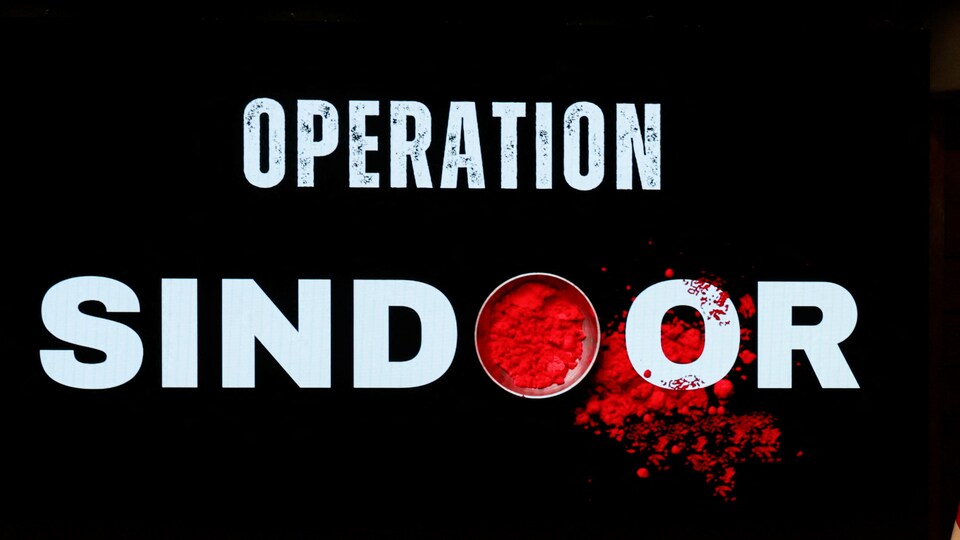
There is also a moral dimension here. The Pahalgam terrorist attack was a brazen assault on civilians in one of India’s most sensitive regions. Operation Sindoor was not just a military response, but it was a signal that India would not tolerate State-sponsored terrorism. For Russia to remain vague in its language or avoid calling out Pakistan directly or indirectly sends a troubling message that even heinous acts of terrorism may not compel Moscow to speak clearly if doing so upsets its geopolitical balancing act.
However, Russia is not the only country guilty of diplomatic hedging. But given the unique nature of its relationship with India and the tangible support it received from New Delhi during its hour of economic and diplomatic vulnerability, Russia is held to a higher standard. Silence or neutrality is not an option when terrorism is involved, and especially not when the country targeted has gone out of its way to act as a reliable partner. Russia's attempt to maintain strategic ambiguity between India and Pakistan may have worked in the past, but that time is quickly passing. The global order is realigning. Trust and solidarity matter more than ever. Russia must decisively select its allies and demonstrate the appropriate reciprocity for relationships that have been rightfully earned.
This article is authored by Pravesh Kumar Gupta, associate fellow (Eurasia), Vivekananda International Foundation, New Delhi.


