
 E-Paper



Government must invest in sustainability standards for agri-exports to the EU
This article is authored by Arpita Mukherjee, professor and Geetika Gupta, research assistant, ICRIER.

 Prefer HTon Google


Meeting the new sustainability regulations of key markets like the EU and the UK will entail huge costs and require substantial investment. One area for investment is the Carbon Border Adjustment Mechanism (CBAM) for which in the India-EU trade deal, there is a promise of funding from the EU to help Indian SMEs meet its requirements. However, no such partnerships or commitments have been discussed in the trade deal with respect to other regulations such as the EU Deforestation Regulation (EUDR) or Corporate Sustainability Due Diligence Directive (CSDDD). These, along with the US concerns over bonded and child labour, will need complete backward supply chain traceability to the farm along with ensuring that the environment and labour standards are strictly followed, with proof of audits. An ongoing ICRIER survey of the plantation crops like tea, coffee and tobacco found that meeting the EU and UK requirements could require more than five times the current investment in the next three years.
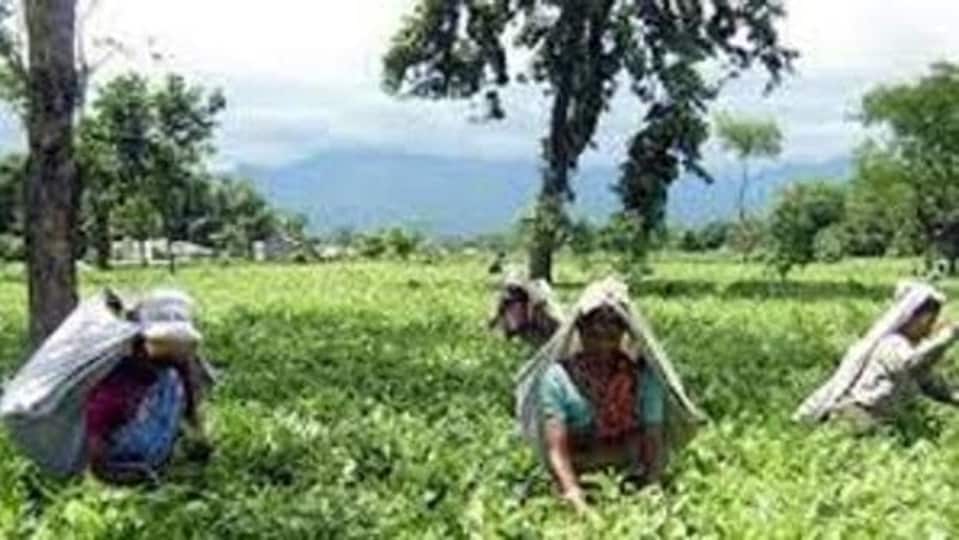
This investment is required to adopt environment friendly farm-level inputs and technologies, reduce greenhouse gas emissions, have green processing. The cost of production for farmers is likely to rise significantly as they move away from subsidised nitrogen-based fertilisers high doses of pesticides to bio-fertilisers, vermicompost and integrated pest management. Plantation practices may also need to change: coffee growers can no longer plant silver oak under EU Deforestation Regulation (EUDR), which earlier could be chopped and sold to provide them with additional income. At the processing stage, tea factories, where around 80% of energy use is thermal, have to shift to natural gas, biomass briquettes and solar energy, while coffee processors may need to invest in water-efficient pulpers and wastewater-treatment systems. Traceability and due-diligence requirements will require farm geotagging and digital supply-chain mapping. Added to this is the cost of certifications and audits, which is mostly borne by the EU importers. For a 100-hectare tea operation, compliance costs can be Rs. 2.5–2.6 lakhs a year in certification royalties, Rs. 1.5–3 lakhs for external audits and Rs. 1–2.5 lakh for social and field infrastructure.
While SMEs contribute to around 48.5% of our exports, their share in exports of these three plantation crops has declined to around 10% due to the rising compliance costs and limited access to finance, technology and compliance infrastructure. The EU buyers prefer larger farms and more integrated suppliers that can easily meet these requirements. The EU Directives like the CSDDD have provisions for the EU companies to support the SMEs in their supply chain but greater efforts are needed in India to attract such investment.
Government-run export boards and bodies are trying to develop traceability systems like APEDA’s NPOP for organic or GrapeNet, Coffee Board’s Indian Coffee Sustainability Standard (INDICOFS) and the GIS-enabled KSHEMAM Portal, and Tea Board’s Chai Sahay for traceability and plantation support. However, these initiatives remain fragmented and are not enough to meet the investment required to comply with evolving EU regulations. Instead of these piecemeal efforts, there should be one government-led India traceability system for conventional exports and the other for organic exports. This traceability system should have provisions to not only upload environmental audits but also social audit reports and certifications. It is easier to get a buy-in from importing countries if there is a single system. This is the way in which countries like Republic of Korea are trying to address the EU and UK requirements. In short, the government needs to plan and make smart investments.
However, government investment is not enough. In India, private and foreign investment in agriculture is low. Cumulative FDI in tea and coffee processing and warehousing was only $ 294.67 million between January 2000 and March 2026 (about 0.04% of total FDI inflows). Much of this investment has been directed towards single-brand retail rather than plantations and processing, which are critical for meeting the sustainability requirements and export competitiveness. The key question is why has India not attracted FDI despite a liberal FDI policy?
Commodity boards should work on a plan to attract EU investment aimed at facilitating exports by SME planters and processors. The EU and UK investors would prefer a transparent investment regime and long-term sustainable partnerships. Without adequate investment protection and facilitation, such partnerships may be difficult. The trade deal does not cover investment, and investment agreement with key export markets are needed to facilitate investment flows.
The Commodity Boards and Export Agencies have to do surveys to map the SME supply chain and estimate the investment required at each stage to meet the standards of key export markets. Based on this assessment, targeted efforts should be made to attract domestic and foreign investment. A top-down approach, with a single system bringing together farmers, processors, exporters, government agencies and overseas buyers is the need of the hour. Around 10–15 pilot projects could be initiated with multi-stakeholder partnerships, including EU companies and bodies, to identify the technological and financial support needed, capacity-building and supporting Indian supply-chain partners to meet European requirements. Centre-State coordination is needed, as agriculture is a state subject. Smart public investment, scaling up domestic private investment and FDI inflows can help to meet the importing country requirements.
(The views expressed are personal)
This article is authored by Arpita Mukherjee, professor and Geetika Gupta, research assistant, ICRIER.


