
 E-Paper



Recommendations for India-US development cooperation in the Indo-Pacific
The study has been authored by Kashish Parpiani.

 Prefer HTon Google


As the Indo-Pacific construct is internationalised through bilateral and plurilateral arrangements between regional and extra-regional powers, critics say the overt securitisation of the region has spurred the return of a “Cold War mentality”. In such an environment, joint development initiatives offer the means to underscore shared normative goals and not just common threat perceptions as primary motivations for nascent partnerships.
India and the European Union (EU) have chosen to precede security cooperation with the India-EU Connectivity Partnership, even as India promotes maritime cooperation with individual EU member-States, such as France. Similarly, the scope for collaboration on shared development aims is being identified among like-minded partners, including Japan, India and France. For instance, the slow-brewing (yet widely anticipated) partnership between the three countries could soon include joint development investments in Africa, given the convergence of interests on the importance of East Africa in the Indo-Pacific. Moreover, a trilateral arrangement is already being advocated, given France’s regional investments (such as the €2-billion transport contract in Kenya) as part of its effort to alter the post-colonial “Françafrique” approach, and the planned ‘Platform for Japan-India Business Cooperation in Asia-Africa’ between Japan’s External Trade Organisation and India’s Confederation of Indian Industry.
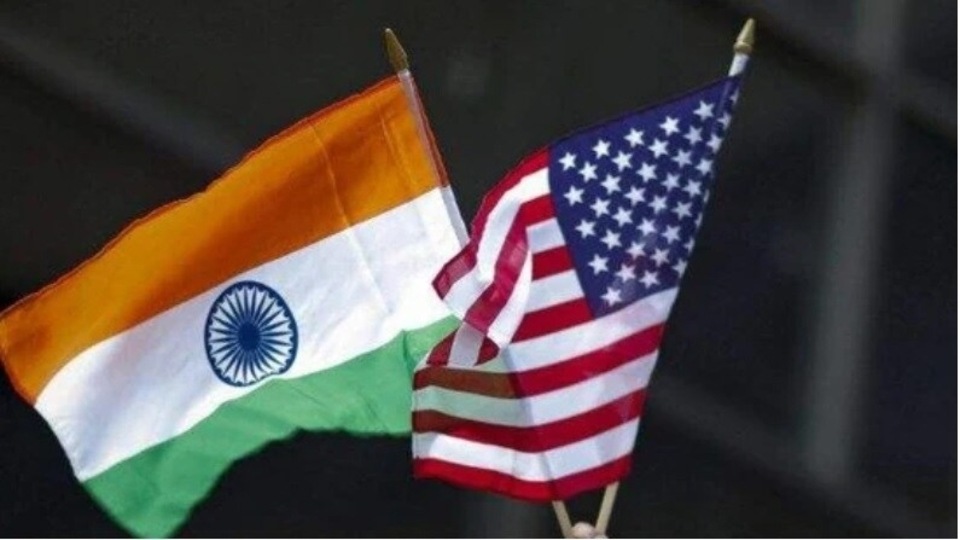
At the same time, the defence component continues to dominate the India-US agenda for cooperation. However, the ground for development cooperation has been set long before the recent prioritisation of defence collaboration, which informed a lateral expansion with security plurilaterals like the Quadrilateral Security Dialogue (Quad) and the finalisation of interoperability agreements. For instance, the 2016 India- US joint statement affirmed the two sides’ commitment to expanding global development cooperation in agriculture, health, energy, women’s empowerment, and sanitation. In 2019, India and the US also signed the First Amendment to the Statement of Guiding Principles (SGP) on Triangular Cooperation for Global Development, extending its validity to 2021 and institutionalising this aspect of bilateral cooperation. Despite this early consolidation of the intent to pool resources and expertise for shared development aims in third countries and regions of mutual interest, India-US development cooperation has remained focused only on a few sectors and is mainly limited to Africa, Afghanistan and South Asia. The success of India-US defence cooperation offers lessons for bolstering bilateral development cooperation in the Indo-Pacific.
The study can be accessed by clicking here
(The study has been authored by Kashish Parpiani)


