
 E-Paper



Rise of soft power in the Gulf: Comparative analysis of GCC strategies
This paper is authored by Samriddhi Vij, ORF.

 Prefer HTon Google


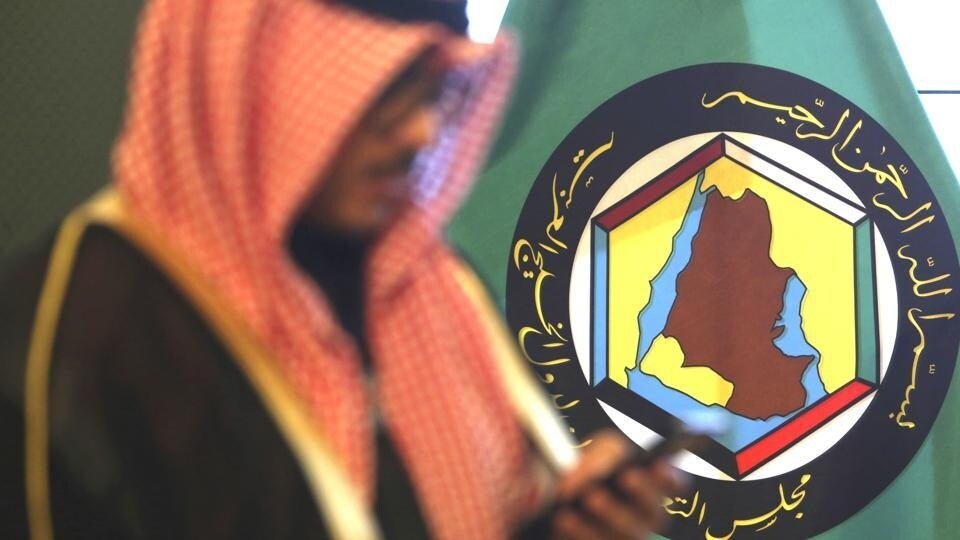
In recent years, the Gulf Cooperation Council (GCC) countries have emerged as active and ambitious players in the global soft power arena. Faced with the twin pressures of economic diversification and geopolitical repositioning, these states are utilising an array of tools to reshape how they are perceived internationally. This brief examines how GCC countries are cultivating soft power across multiple domains and evaluates the effectiveness of these strategies in enhancing their international influence. It analyses both state-driven initiatives and their supporting ecosystems, such as sovereign wealth funds, media platforms, cultural institutions, and development aid frameworks. Through comparative analysis, the brief explores the divergence in soft power trajectories among the Gulf states and identifies which approaches are yielding the most credible global influence. It also offers certain strategic insights for trailing countries within the GCC to enhance their international soft power.
Soft power, a concept introduced by political scientist Joseph Nye in the late 1990s, is often referred to as a country’s ability to influence others through attraction and persuasion rather than coercion or payment. Nye articulated that while hard power relies on military and economic means to compel behaviour, soft power operates through cultural appeal, political values, and foreign policies that are seen as legitimate or morally authoritative.
This paper can be accessed here.
This paper is authored by Samriddhi Vij, ORF.


