
 E-Paper



Why cultural currency is the Indian travellers’ true passport
This article is authored by Gunwant Singh, scholar, international relations and security studies, Jawaharlal Nehru University, New Delhi.

 Prefer HTon Google


The modern Indian traveller has arrived, and by the sheer weight of numbers, the world is forced to take notice. As we move deeper into 2026, the landscape of international tourism has undergone a seismic shift. The post-pandemic "revenge travel" that once felt like a temporary burst has matured into a sustained exodus, particularly toward the emerald coasts and neon skylines of Southeast Asia. Encouraged by unprecedented visa-free regimes in Thailand, Malaysia, and Vietnam, the Indian passport is no longer just a document of identity; it is a golden ticket to some of the world’s most culturally rich and economically vital destinations. However, as the gates swing wider, a quiet but urgent question begins to echo through the bustling night markets of Bangkok and the serene pagodas of Hanoi: What kind of guests are we?
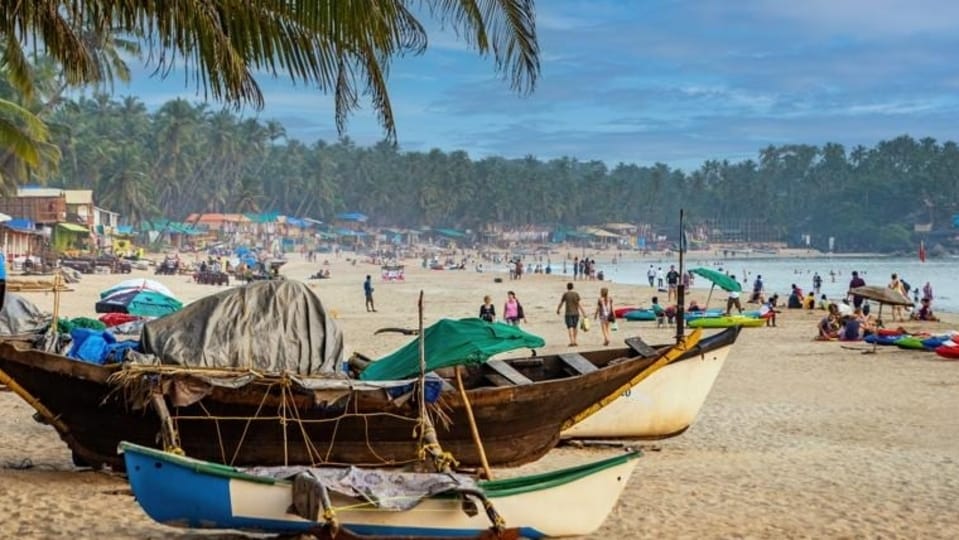
For decades, the Indian middle class perceived international travel as an exceptional journey to the West. Today, it is a frequent weekend getaway to the East. While this democratisation of travel is a triumph of our rising economic might, it has brought with it a friction that is often whispered about in the corridors of foreign hospitality but rarely addressed head-on at home. Tourism in Southeast Asia is a delicate dance of mutual benefit. In nations where the industry contributes significantly to the GDP, the welcome mat is laid out with genuine warmth, yet there is an unspoken contract between host and visitor that involves more than just the exchange of currency. It involves the preservation of social harmony, a concept that sits at the very heart of Southeast Asian life but is often lost in the boisterous enthusiasm of the Indian tour group.
We must confront the reality that the ‘ugly Indian tourist’ is becoming a stereotype that threatens to stick. Reports from places like Pattaya and Da Nang suggest a growing weariness toward behaviour that we might consider vibrant at home but is perceived as intrusive abroad. The most common grievance is a lack of civic decorum in shared spaces. In the hushed, orderly queues of a Singaporean metro station or the quiet zones of a Vietnamese airport, the Indian penchant for loud, simultaneous conversations and the casual disregard for the sanctity of a line can feel like a localised assault on public peace. We often forget that in many Buddhist-influenced cultures, the concept of saving face and maintaining a calm exterior is paramount. A raised voice in a dispute over a hotel bill or an aggressive haggling session at a street stall does not just mark one as a difficult customer; it marks one as a person of poor character, casting a long, unflattering shadow over every Indian traveller who follows in those footsteps.
The repercussions are already manifesting in subtle, systemic ways. While visa requirements have eased to invite the masses, immigration officials in several Southeast Asian hubs have begun implementing stricter secondary screenings for Indian arrivals, a visa shock born from concerns over overstaying and general indiscipline. When a group of tourists is seen littering on a pristine Thai beach or treating a sacred temple as a mere backdrop for a disruptive social media reel, the local community does not see an individual; they see a nationality. This collective branding is the heaviest price paid by the silent majority of Indian travellers those who are culturally curious, respectful, and eager to learn. They are the ones who find themselves met with a colder smile or a more suspicious glance at the check-in desk, all because of the "main character syndrome" exhibited by a few of their compatriots.
Respecting local rules is not merely an act of politeness; it is an act of self-preservation for our global reputation. In Southeast Asia, the body is a map of sacredness: the head is high and holy, and the feet are low and unclean. To touch a child’s head in Thailand or to point one’s feet toward a Buddha statue is a profound insult that no amount of tip money can erase. Similarly, the conservative dress codes of temples in Cambodia and Laos are not suggestions; they are requirements for entering a living space of worship. When we treat these sites with the same casualness we might accord a local mall, we signal a fundamental lack of empathy for the host’s way of life. We must transition from being consumers of a destination to being ambassadors of our culture.
Furthermore, we must address the entitlement trap that often plagues the wealthy traveller. The mindset that ‘I am paying for this service, therefore I am the master’ is a relic of a bygone era. In the modern hospitality landscape of Southeast Asia, respect is the currency that buys the best experiences. A traveller who learns the basic greetings, a wai in Thailand or a 'Xin Chào' in Vietnam, and who understands that a smile is a social lubricant rather than a sign of subservience, will find doors opening that remain locked to the arrogant. The goal of travel should be to leave a place slightly better than we found it, or at the very least, to leave its dignity intact.
As we look toward the future, the responsibility lies with us to self-regulate. It starts with the travel agencies that must brief their groups on cultural etiquette as rigorously as they do on flight timings. It continues with the individual traveller who chooses to speak softly in a public park, who carries their trash until they find a bin, and who understands that a "no-smoking" sign is a rule, not a challenge. We are at a crossroads where our presence in Southeast Asia can either be a bridge of civilisational friendship or a source of chronic social friction. Let us choose to be the guest that is invited back, not out of economic necessity, but because our presence adds to the harmony of the world. The Indian traveller of 2026 has the power to redefine our image; let that image be one of grace, curiosity, and profound respect.
This article is authored by Gunwant Singh, scholar, international relations and security studies, Jawaharlal Nehru University, New Delhi.


