Every day almost 400 people die on India’s roads. This is equal to a jumbo jet crash a day. India’s national highways are especially dangerous. They make up just 2% of the road network but account for more than 30% of its road-related deaths and injuries. Alarmingly, the number of reported road deaths rose from some 100,000 in 2006 to almost 134,000 in 2010.
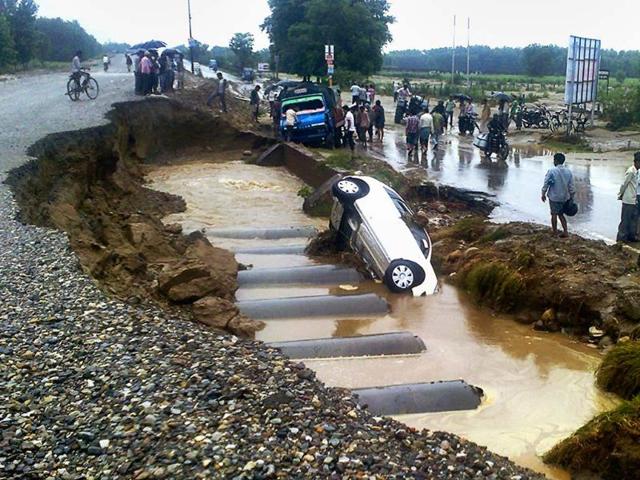
The good news now is that India has made road safety a priority, adding resources to the national road safety agenda. Recently, Union transport minister Nitin Gadkari stated that “providing safe, efficient, cost-effective and faster transport across the country is our mission”. The 2015 Road Transport and Safety Bill, currently in Parliament, proposes a variety of policies to tackle this critical issue. These include the creation of a National Authority for Road Safety, the promotion of safer and more efficient road infrastructure and vehicles, bringing about changes in licensing procedures and improving the quality of public and freight transport with significant safety co-benefit. It also seeks to change people’s behaviour on the roads by developing road safety education programmes and improving the safety net for road crash victims.
States, too, have been implementing different strategies to promote road safety. Tamil Nadu — which ranks among India’s top five states in terms of road accidents, fatalities and injuries — is utilising GIS-based software to identify accident-prone spots. Uttar Pradesh, which records 17,000 deaths per year — India’s highest rate of car crash fatalities — has partnered with the World Bank to improve its road network by rebuilding, rehabilitating and widening key corridors.
{{/usCountry}}States, too, have been implementing different strategies to promote road safety. Tamil Nadu — which ranks among India’s top five states in terms of road accidents, fatalities and injuries — is utilising GIS-based software to identify accident-prone spots. Uttar Pradesh, which records 17,000 deaths per year — India’s highest rate of car crash fatalities — has partnered with the World Bank to improve its road network by rebuilding, rehabilitating and widening key corridors.
{{/usCountry}}To bring about change at the enforcement level, the World Bank has connected the UP police with highway traffic police from New Zealand. The collaboration includes the innovative use of public messaging, including on social media, better collection and analysis of crash data.
Recently, Bloomberg Philanthropies announced a new commitment of $125 million over five years to strengthen road safety legislation and implement proven interventions in five countries, including China, India, the Philippines, Thailand and Tanzania and 10 mega cities, including Mumbai. The World Bank-led Global Road Safety Facility is one of the partners that will support national and local leaders scale up their road safety efforts.
(Onno Ruhl is country director and Karla Gonzalez Carvajal is practice manager (Transport & ICT) at the World Bank. The views expressed by the authors are personal.)