
 E-Paper



Are you feeling TATT in summer?
The term defines the common seasonal complaint of being Tired All the Time. Here's what can help.

 Prefer HTon Google


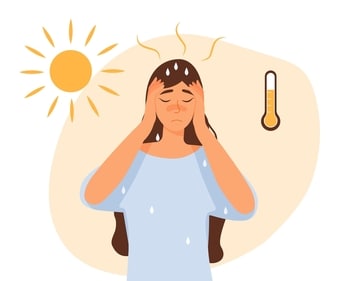
Recently, have you had a good sleep, but still felt so lethargic on the way to work or just at home during the day? You're not alone if you do. TATT is a thing.

Affirming how the summer heat can leave us tired and drained, Says Dr Vidhe Sharma, Consulting Physician, Ruby Hall Clinic, Hinjewadi, Pune, says, “This is due to several factors. For one, high temperatures can lead to dehydration, which affects cognitive function and physical energy levels. Additionally, the body expends more energy trying to cool itself down in hot weather, leaving us feeling tired. The heat can also disrupt sleep patterns, further contributing to fatigue.”
What is Tired all the Time (TATT) in summer?
The acronym TATT stands for Tired All The Time and this is a common complaint that is felt during the summer. Says Ansel Fernandes, marketing executive, “I have a job that keeps me on my feet, often going outdoors and being in the heat makes me feel so fatigued. It's like I have to make a huge effort to perform any task.”
SMART STRATEGIES THAT HELP
Dr Sharma shares ways to combat feeling tired all the time during the summer:
1. Stay hydrated: Drink plenty of water throughout the day to prevent dehydration, especially in hot weather.
2. Maintain a cool environment: Keep your living and working spaces cool with fans, air conditioning, or by closing curtains during the hottest parts of the day.
3. Get sufficient sleep: Ensure you're getting enough quality sleep each night, even if it means adjusting your bedtime routine to accommodate the heat.
4. Eat light and nutritious meals: Choose foods that are easy to digest and provide sustained energy, such as fruits, vegetables, lean proteins, and whole grains.
5. Take breaks: If possible, schedule breaks during the hottest parts of the day to rest and cool down.
6. Dress appropriately: Wear lightweight, breathable clothing made from natural fabrics like cotton to help your body stay cool.
7. Limit caffeine and alcohol: Both caffeine and alcohol can contribute to dehydration and disrupt sleep, so consume them in moderation.
8. Swap exercise timings: Opt for cooler times of the day, such as early morning or evening, to engage in physical activity. Listen to your body and avoid pushing yourself too hard in the heat.
9. Practice stress management: High temperatures can increase stress levels, so incorporate relaxation techniques like deep breathing, meditation, or yoga into your routine to help manage stress.


