E-Paper



10-hour shifts in shadow of war: Treating patients along the tense frontier
The dispensary is barely 200 metres from the India-Pakistan border, which has been on high alert since militants killed 18 soldiers in Uri and the subsequent military surgical strikes on militant hideouts across the Line of Control, the de facto boundary.


Pharmacist Sarabjit Kaur has been doing a crushing 10-hour shift at a two-room government dispensary in Amritsar district’s Naushera Dhalla village since September 28.
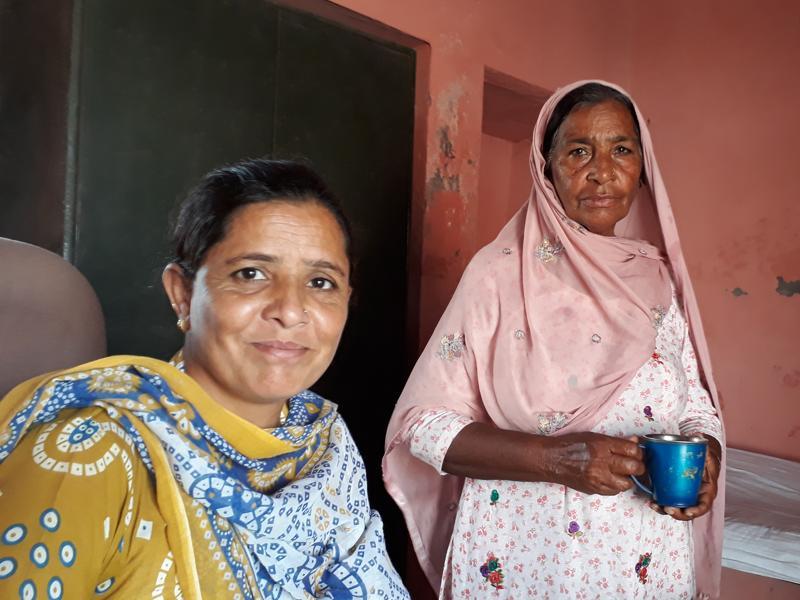
Her six-hour shift has been extended and she was put on emergency duty, ready to treat people with wounds from bullets and shelling.
The dispensary is barely 200 metres from the India-Pakistan border, which has been on high alert since militants killed 18 soldiers in Uri and the subsequent military surgical strikes on militant hideouts across the Line of Control, the de facto boundary.
The 40-year-old Kaur travels 17km on a scooter from home in Attari, a frontier village about 45km from Amritsar city, to the dispensary. She takes the same route home after work.
“On Wednesday afternoon, we received an order from the district administration … our duty hours were extended from six to 10, so I come in at 8am and leave by 6pm. The weekly off has been cancelled and we were told to be prepared for night duty at camps where evacuated villagers have been put up,” she says.
Read | As evacuation begins along Punjab border, villagers tense but ‘not scared’
The lone doctor in the dispensary was moved to camps in a place called Gogo bua, so Kaur alone is dealing with patients at the dispensary for three neighbouring villages, with 11,500 people.
But the mass evacuations have reduced the number of patients to less than half. “Till last week, we saw 30 patients a day, now it’s 10. I haven’t received any bullet or shelling case so far; if required I’ll call an ambulance on 108 to rush them to a hospital,” she says.
Most youngsters, women and children have left, leaving behind elders to guard the house and crop. Kaur’s 60-year-old helper in the dispensary, Suvindar Kaur, stayed while her family moved to a relative’s house in Amritsar. “We can’t leave the house vacant… there are thieves. Also, madam is alone and needs help,” she says.
Read | India-Pak tensions bring back war memories, fears: ‘Where will we go?’
The place is tense, but the threat of war is not new to the villagers. “I have faced similar tension during the Kargil war. My family refused to vacate the house even though there was military all around,” the pharmacist says.
Her husband died 10 years ago, and her two sons and a daughter worry about her travelling to work each day. “I tell them not to worry; I will start my Activa and rush to you the moment I sense trouble. Also, I have filled the fuel tank of my Zen to capacity, in case war breaks out, I will load whatever I can and drive my children to safety,” she says.
In adjoining Dhalla village, closer to the border, residents feel neglected. “Naushera receives all the attention; no politician comes here. They visit Naushera and return,” says villager Sukhdev Singh.
Read | Politics behind border panic in Punjab after cross-LoC strikes