E-Paper



₹1.29L-cr GST kitty in Dec indicates robust economic activity
December marked the sixth straight month when levies from goods sold and services rendered stood at over ₹1 lakh crore.

 Prefer HTon Google


New Delhi: The Goods and Services Tax (GST) collection in December last year was ₹1,29,780 crore, marginally lower than the ₹1.30 lakh crore figure achieved in the two preceding months, but a 12.7% increase on an annual basis, official data showed on Saturday.
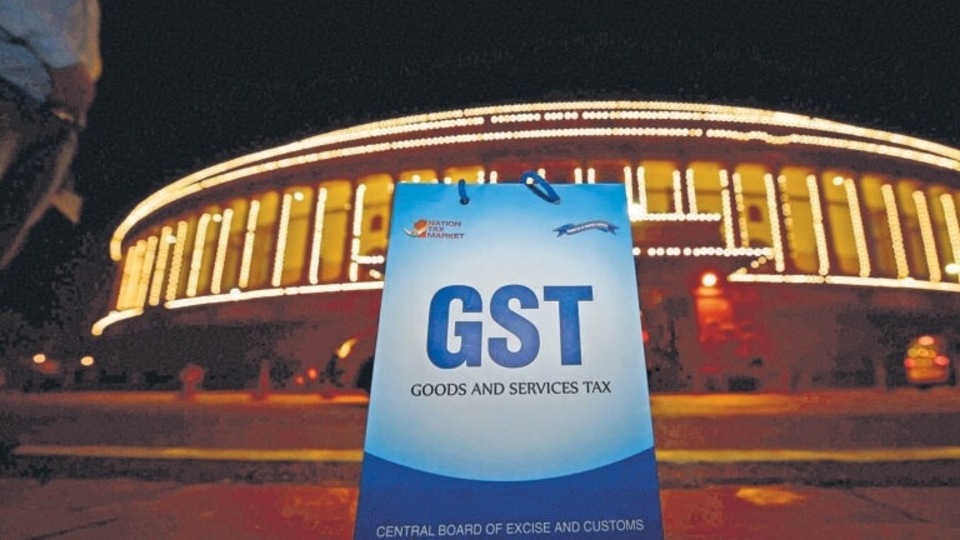
The indirect tax revenue, a weathervane of economic health, in November surged to ₹1,31,526 crore, the second highest since the new tax regime was launched in July 2017 on robust recovery of business activities after the second wave of the Covid-19 pandemic and increased compliance.
Also Read | GST Council defers tax hike on textiles
December was the sixth straight month when levies from goods sold and services rendered stood at over ₹1 lakh crore.
The December collections were marginally lower than ₹1.31 lakh crore in November, government data showed, but were 25.8% higher than the revenues collected in December 2019, before the Covid-19 pandemic disrupted economic activity.
As the December number shows the volume of business transactions in November, there was no impact of the recent surge in cases of the new Omicron variant of the coronavirus, experts said. Some impact was expected in the next two months, depending on the extent of mobility curbs and restrictions on business activities, said MS Mani, partner at consultancy firm Deloitte India.
Mani said the GST revenue in December was marginally lower by less than ₹2,000 crore, which is normal and doesn’t indicate anything amiss. “The GST collections reflect the continuing improvement in various macroeconomic parameters and appear to have now established a consistent trend over the past few months,” the analyst said.
“The GST collection in the month is close to ₹1.30 lakh crore despite reduction of 17% in the number of e-way bills generated in the month of November, 2021 (6.1 crore) as compared to the month of October, 2021 (7.4 crore) due to improved tax compliance and better tax administration by both central and state tax authorities,” the finance ministry said in a statement. Electronic waybills are a digital compliance mechanism under the GST regime to track movement of goods.
Despite the lower number of e-way bills, GST revenue is robust mainly because of increased contributions from services, experts said. “It is also accompanied by a continuing focus on implementation of technology based anti-evasion measures,” Mani said.
The GST collections in December were “certainly impressive” given the “sequential drop in GST e-way bills” that had been seen during the festive month of November, said Aditi Nayar, chief economist at rating agency ICRA Ltd.
“This performance can be attributed both to anti-evasion activities as well as the sharp growth in revenue from imports,” she said. During the month, revenues from import of goods were 36% higher compared to the same period last year.
Notwithstanding the current increase in Omicron cases, the finance ministry expects “the positive trend in the revenues will continue” in the fourth financial quarter to March due to increased compliance.
Average quarterly GST collection has been robust in the third quarter ended December at ₹1.3 lakh crore, compared to ₹1.1 lakh crore average in the first quarter and ₹1.15 lakh crore in the three months ended September.
Out of the ₹1,29,780 crore gross GST revenue collected in December, ₹22,578 crore is central GST (CGST), ₹28,658 crore is state GST (SGST), and ₹69,155 crore is integrated GST (IGST) that include ₹37,527 crore collected on import of goods, and ₹9,389 crore cess on luxury items and sin goods, according to the finance ministry.