E-Paper



175% rise in waterfowls in Kaziranga National Park in new census
The rise in the number of birds visiting Kaziranga has been attributed to improved habitat management and water conservation measures carried out by the KNPTR authority.


The Kaziranga National Park and Tiger Reserve (KNPTR) in Assam has recorded a 175% increase in the number of waterfowls and winter migratory birds in the latest census carried out last week.
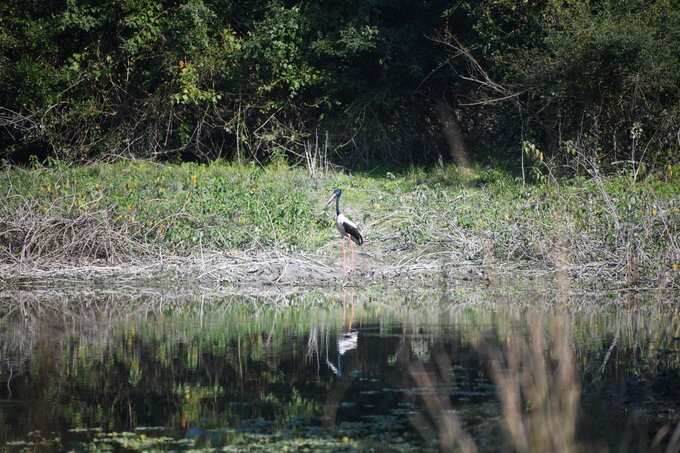
A total of 93,491 birds from 112 different species belonging to 22 families were counted during the exercise, the third such census, conducted across 52 wetlands across the KNPTR on February 6-7.
“The total number of birds has increased from 34284 in 2020 to 93491 in 2021, which amounts to a rise by 175%. The maximum increase was witnessed in Laokhowa-Burhachapori Wildlife Sanctuary where the number of birds increased from 9244 to 71902,” said a KNPTR release.
The rise in the number of birds visiting Kaziranga has been attributed to improved habitat management and water conservation measures carried out by the KNPTR authority.
A total of 36 birders were involved in the exercise which had the objectives to record and estimate waterfowl and winter migratory birds and to monitor and assess the health of wetlands.
The highest number of species (26) was found from family Anatidae, which form the family of ducks and geese. The top three species counted by number are Eurasian Coot (50,432), Bar-headed Geese (7860) and Common Teal (4667).
Of the 112 waterfowl species found in Kaizranga, 58 are migratory species visiting the area from different parts of the world including Europe, Central Asia and East Asia.
On a negative note, the area under wetlands (beels) in the KNPTR has reduced from 8.5% of the total area to 6.7% from 1967 to 1997. The third waterfowl census carried out last week found siltation, erosion, fragmentation of 'beels' and presence of invasive species in the wetlands.