
 E-Paper



12 African countries to get 18 million doses of first-ever malaria vaccine
The vaccine has already been administered to over 1.7 million children in three countries and has resulted in a significant reduction in severe malaria.

 Prefer HTon Google


Twelve countries across different regions of Africa will receive 18 million doses of the first-ever malaria vaccine over the next two years, the World Health Organisation, the Global Vaccine Alliance (Gavi) and UNICEF said in a joint statement on Wednesday.
“The roll out is a critical step forward in the fight against one of the leading causes of death on the continent,” the statement said.
The Mosquirix (RTS,S) vaccine, developed by British pharmaceutical giant GSK plc, has already been administered to more than 1.7 million children in three countries — Ghana, Kenya and Malawi — as part of a pilot programme, and resulted in “substantial reduction” in severe malaria, the statement said.
“The RTS,S/AS01 vaccine has been administered to more than 1.7 million children in Ghana, Kenya and Malawi since 2019 and has been shown to be safe and effective, resulting in a substantial reduction in severe malaria and a fall in child deaths,” the statement said, adding that at least 28 African countries have expressed interest in the vaccine.
Also Read: Bar marketing of harmful foods for children: WHO
The nine new countries set to receive the vaccine are Benin, Burkina Faso, Burundi, Cameroon, the Democratic Republic of the Congo, Liberia, Niger, Sierra Leone and Uganda.
“The allocations have been determined through the application of the principles outlined in the framework for allocation of limited malaria vaccine supply that prioritizes those doses to areas of highest need, where the risk of malaria illness and death among children are highest,” the joint statement said.
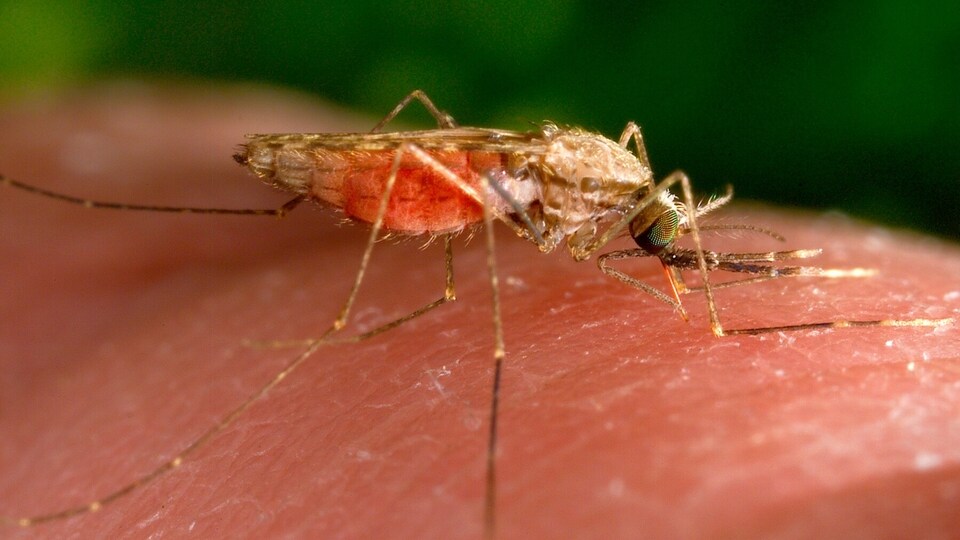
Malaria is a life-threatening disease caused by Plasmodium parasites that are transmitted to people through the bites of infected female Anopheles mosquitoes.
In 2020, there were an estimated 241 million cases of malaria worldwide, with 627,000 estimated deaths.
The African countries carry the largest malaria burden, accounting for nearly 95% of cases and around 96% fatalities globally. WHO data shows that in 2021, the region reported 234 million malaria cases and 593,000 deaths.
Of these, over 78% deaths occurred among children under the age of five.
“Malaria remains one of Africa’s deadliest diseases, killing nearly half a million children under the age of five every year,” WHO chief Tedros Adhanom Ghebreyesus told a briefing on Wednesday.
India, according to the World Malaria Report 2022, accounted for 79% of cases and about 83% of all malaria deaths in the southeast Asia region.
The report also documented a remarkable decline in malaria incident, showing a drop of 24% between 2016 and 2017, and 28% between 2017 and 2018.
While the Union health ministry did not respond to queries on India’s plans to source the vaccine, senior officials in the department of biotechnology said, “Work is happening around this.”
Health ministry data shows that the country recorded 30,098 cases of malaria between January and April 2023 and two deaths across the country.
The Serum Institute of India, meanwhile, has partnered with the University of Oxford to manufacture and scale up R21/Matrix-M™ malaria vaccine, which was granted full licensure for use in Ghana by the country’s Food and Drugs Authority (FDA Ghana) in April this year.
The R21/Matrix-M™ vaccine was initially designed and developed at the University of Oxford and has undergone clinical trials in the UK, Thailand, and several African countries, including an ongoing phase III trial in Burkina Faso, Kenya, Mali and Tanzania that has enrolled 4,800 children.
Results from these trials are expected later this year, SII said.
Experts, while welcoming the drop in cases in India, said that an effective vaccine will go a long way in preventing chronic cases.
Dr Suranjit Chatterjee, senior consultant (internal medicine) at Delhi’s Indraprastha Apollo Hospital, said, “Ultimately, this is a decision that our government will have to take, but sourcing malaria vaccines will be a good idea in controlling infections.”


