E-Paper



2006 bus attack at centre of PM Modi’s emotional farewell speech for Ghulam Nabi Azad
Talking about his relationship with Modi, Azad said they have known each other since the ‘90s when they were both general secretaries and represented different views on television debates

 Prefer HTon Google


After several opposition leaders, including Shashi Tharoor, termed Prime Minister Narendra Modi crying during his farewell speech for Ghulam Nabi Azad ‘artfully crafted performance’, the Congress leader on Thursday said most of the people didn’t know the background.
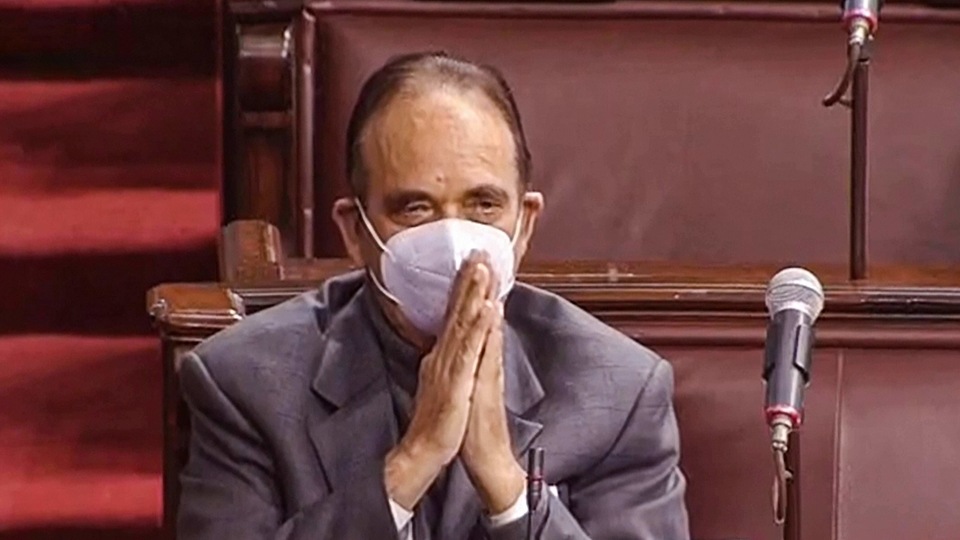
“Why we were both crying was not because we knew each other, but the reason was that, in 2006, a Gujarati tourist bus was attacked [in Kashmir], and I broke down while speaking to him,” Azad told HT in an exclusive interview.
Prime Minister Narendra Modi, in his farewell speech for Azad on Tuesday, described the Congress veteran as a leader who cared not just for his party, but about the country and its Parliament. Modi welled up while describing their past experiences. “The PM was saying that here is a person who’s retiring who is also a good human being. He couldn’t complete the story because he broke down, and when I wanted to complete the story, I couldn’t because I felt I was back in that moment 14 years ago when the attack took place,” Azad said.
ALSO WATCH | 'Will join BJP when there's black snow in Kashmir': Congress' Ghulam Nabi Azad
Azad said that a lot of people thought the PM was doing it artificially, because why should he bother that a Congressman is going. “The words he used were for me, but our emotion was in a different context,” he explained.
When asked if the gesture of the Prime Minister will resonate with a wider audience of Jammu & Kashmir, Azad said it was unlikely to affect the issues in Jammu and Kashmir. He also expressed his dissatisfaction over Jammu and Kashmir’s status as a Union territory. “The entire population is so concerned, not just about Article 370. Downgrading the state to a Union territory, which was not a BJP agenda, and the division of the state, have hurt everybody; we’ve been reduced to ashes. I’ve only seen upgradation of UTs into states, and my own state, which is among the largest and oldest states in the country, has been made a UT. Nobody can digest that,” he said.
Talking about their early days and his relationship with Modi, Azad said they have known each other since the ‘90s when they were both general secretaries and represented different views on television debates. “We were both general secretaries, and we used to come on TV debates representing different views; we used to fight also in the debates. But, if we reached early, we used to share a cup of tea also and chit-chat.”
He added that later they knew each other as chief ministers who met at the Prime Minister’s meetings and home minister’s meetings. “Then he was CM and I was health minister, and we would speak every 10-15 days on different issues,” Azad said.
Azad’s four-decade-long stint in Parliament comes to an end on February 15.