Maharashtra, Assam, West Bengal and Bihar on Tuesday approached the Supreme Court seeking its nod to quash criminal cases registered in connection with the Cockroach Janta Party (CJP)-led protests in July, joining the Centre’s move to end the criminal proceedings arising from the agitation.
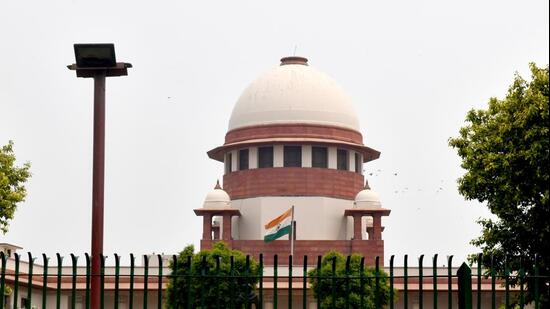
Solicitor General Tushar Mehta, appearing for the Centre, mentioned the applications before Chief Justice of India (CJI) Surya Kant, saying that separate applications had been filed on behalf of the four states where FIRs arising from the protests were required to be quashed.
“We have also filed four different applications for different states where FIRs would require to be quashed. If the papers could be called for and all matters be listed at 2 pm,” said Mehta.
Deep Dive
Why did the Centre seek to quash the FIRs against CJP protesters?
What does the Supreme Court's response to the proposed September 5 protest march indicate?
How are states like Maharashtra and Assam involved in the proceedings regarding CJP protests?
The CJI, who heads the bench in the matter, agreed to take up the applications together but asked the states to ensure that the pleas were free from defects. “Okay! We will take them together. Please, make sure the applications are free from defects,” CJI Kant said.
The development comes a day after the Centre moved the Supreme Court seeking quashing of 13 FIRs registered in connection with the CJP-led protests at Delhi’s Jantar Mantar and other parts of the capital between July 20 and 25. The Centre, through the Delhi Police, has also proposed registration of one fresh FIR against 2,873 persons who were prima facie reported to have “serious criminal antecedents”, with their individual roles to be investigated.
{{/usCountry}}The development comes a day after the Centre moved the Supreme Court seeking quashing of 13 FIRs registered in connection with the CJP-led protests at Delhi’s Jantar Mantar and other parts of the capital between July 20 and 25. The Centre, through the Delhi Police, has also proposed registration of one fresh FIR against 2,873 persons who were prima facie reported to have “serious criminal antecedents”, with their individual roles to be investigated.
{{/usCountry}}The Centre has said no further FIR would be registered in connection with the incidents covered by its application and invoked the Supreme Court’s extraordinary powers under Article 142 to seek quashing of the 13 cases.
The move by the four states assumes significance as the CJP has been demanding withdrawal of criminal cases against protesters as part of the assurances it says were given by the Centre when its 36-day agitation was called off on July 25.
The issue of FIRs across states also came up before the Supreme Court after its July 28 order concerning the protests. On August 3, the court clarified that the order did not prevent the respective state governments from taking steps, in accordance with law, to close or withdraw proceedings arising from FIRs registered against student protesters.
The court had also clarified that the expression “criminal antecedents” used in its earlier order, while excluding certain protesters from interim protection against coercive action, referred to “grave and heinous offences”.
The clarification came after the Supreme Court permitted the NCT of Delhi and other states to proceed with investigation of FIRs registered in connection with the protests, while restraining authorities from taking coercive action against protesting students who did not have criminal antecedents.
The CJP subsequently contended that the court’s order was in direct contradiction with the Centre’s assurance that amnesty would be granted to protesters across states.
The Centre’s application filed on Monday had sought to resolve the issue in Delhi by asking the Supreme Court to quash 13 FIRs and permit one fresh case against 2,873 persons whose antecedents, according to the police, require scrutiny.
The Delhi Police said that pursuant to a decision taken by the Central government, it no longer wished to pursue the 13 FIRs registered in connection with the protests.
The cases include allegations of rioting, attempt to murder, damage to public property and assault on police personnel, besides offences under the Bharatiya Nyaya Sanhita and the Prevention of Damage to Public Property Act.
The police, however, said that 2,873 individuals with “serious criminal antecedents”, according to the National Crime Records Bureau database, were prima facie reported to have been present at the protest site and that their role, if any, in offences involving bodily harm or destruction of property needed to be investigated. The proposed fresh FIR would be confined to determining the individual roles of these persons, the Centre said.
The latest applications by Maharashtra, Assam, West Bengal and Bihar are also likely to bring the question of withdrawal of criminal cases in other states directly before the Supreme Court, as the court considers the Centre’s proposal to bring the Delhi cases to an end.
The developments come days before the CJP’s proposed September 5 protest march from India Gate to the Delhi Police headquarters. The group has announced the march to protest what it describes as the Centre’s failure to honour assurances that led to the withdrawal of its agitation in July.
The Supreme Court on Monday declined to interfere with the proposed march, leaving it to the Centre and Delhi government to take appropriate decisions on law-and-order arrangements and expressing confidence that all stakeholders would act peacefully and within the legal framework.
The July agitation had culminated in the “Chalo Sansad” march on July 20, when Delhi Police and the Rapid Action Force used force, including lathi charge, tear gas and pellet guns, to prevent protesters from proceeding towards Parliament. The protesters have alleged excessive use of force, while the authorities have also alleged violence against police personnel and damage to public property.
The Supreme Court has constituted a five-member high-powered enquiry committee headed by former Supreme Court judge Justice R Subhash Reddy to conduct an independent inquiry into the competing allegations arising from the July 20 protest.
The committee has been tasked with examining allegations of excessive and unlawful use of force by police as well as allegations of violence by protesters, injuries to police personnel and damage to public property. Its mandate also includes examining the use of pellet guns, electric batons, lathis and tear gas, the proportionality of police action, blanket prohibitory orders and allegations concerning targeted violence and harassment of women protesters.
The committee is functioning under the direct supervision of the Supreme Court, with CJI Kant having said last week that the court would monitor its work and issue further directions after receiving its recommendations.
The CJP protests began in June over alleged irregularities and repeated paper leaks in national examinations, and gathered momentum after climate rights activist Sonam Wangchuk joined the agitation and began a hunger strike in solidarity. The protests were eventually called off after talks with the Centre on July 25, with the withdrawal of criminal cases against protesters among the demands.