E-Paper



42 scholars write to NIA after IIT-Guwahati professor questioned over anti-CAA protests
The scholars from across the country, who include Ramchandra Guha and Pratap Bhanu Mehta, expressed “distress” and “concern” with the “ordeal” of Arupjyoti Saikia, a professor of history in IIT-G’s humanities and social sciences department.

 Prefer HTon Google


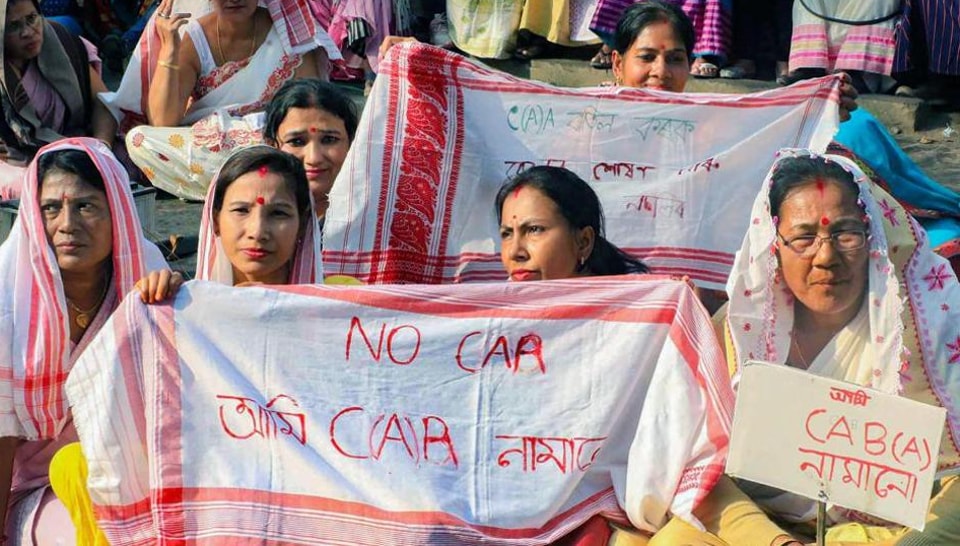
Forty two scholars and academicians have written to National Investigation Agency (NIA) to treat with dignity an Indian Institute of Technology-Guwahati (IIT-G) professor who is being questioned in connection with the anti-Citizenship Amendment Act (CAA) protests that rocked Assam last December.
The scholars from across the country, who include Ramchandra Guha and Pratap Bhanu Mehta, expressed “distress” and “concern” with the “ordeal” of Arupjyoti Saikia, a professor of history in IIT-G’s humanities and social sciences department.
A noted historian and author, Saikia was summoned by NIA on Saturday for questioning on the anti-CAA protests in Guwahati during December that caused widespread damage and deaths of five persons in police firing.
“We, a group of Indian scholars and academics from across the country, write in distress and with concern with regard to the ongoing ordeal of Prof. Arupjyoti Saikia, one of the country’s most distinguished and respected historians,” the statement issued on Sunday read.
While the NIA office in Guwahati didn’t respond to calls on the issue, Saikia’s lawyer Santanu Borthakur confirmed that the professor has been summoned by the agency for questioning as a witness in connection to the protests and that there was no case against him.
“Reports claiming Saikia’s involvement in the protests are baseless. He has been summoned as a witness in relation to the anti-CAA protests and he is not an accused,” Borthakur said.
Saikia was questioned for few hours at the NIA’s office in Sonapur on the outskirts of Guwahati on Saturday. He was summoned again on Monday for more questioning by the agency sleuths.
Last month senior Assam minister Himanta Biswa Sarma had claimed at a news conference that someone from a central government organization or institute was involved in the violence connected to the anti-CAA protests.
“That a scholar of such standing, and a human being of such decency, has been called for intensive grilling by the NIA is deeply distressing. We urge that the NIA treat him with the dignity and respect he deserves and allow him to continue his professional work unimpeded,” the statement by the academics read.