E-Paper



5 missing Arunachal men found by PLA, says Indian Army
The five men of the Tagin tribe, who used to work as porters for the Indian Army, went missing on September 2 reportedly from Sera-7 on the Indian side of the McMohan Line bifurcating Arunachal Pradesh and the Tibet autonomous region (TAR) of China.


The Indian Army said on Tuesday that the five young men from Arunachal Pradesh who went missing from near the Indo-China border last week have been found by China’s People’s Liberation Army (PLA).
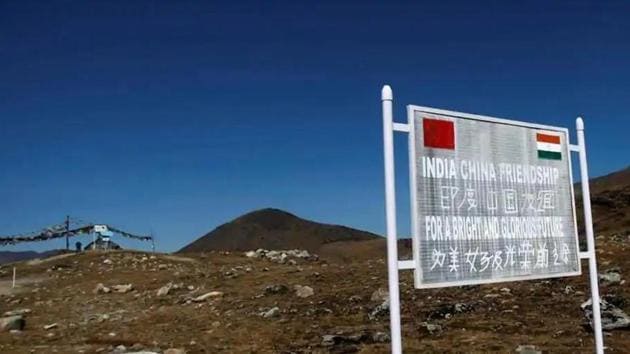
The five men of the Tagin tribe, who used to work as porters for the Indian Army, went missing on September 2 reportedly from Sera-7 on the Indian side of the McMohan Line bifurcating Arunachal Pradesh and the Tibet autonomous region (TAR) of China.
“China’s PLA has responded to the hotline message sent by Indian Army. They have confirmed that the missing young men from Arunachal Pradesh have been found. Further modalities to hand over the persons to us is being worked out,” Kiren Rijiju, the Bharatiya Janata Party (BJP) MP from Arunachal West, tweeted on Tuesday evening.
Following their disappearance, a brother of one of the men posted on social media that they were “abducted” by the PLA. The same accusation was made by Tapir Gao, the BJP MP from Arunachal East, and Ninong Ering, the Congress MLA from Pasighat .
“We came to know about the suspected apprehension of the five young men on September 3. Two days later we sent a hotline message to PLA regarding the whereabouts of these men. Finally, on Tuesday afternoon, PLA sent a message, informing {that} they have been found,” said Lt Col Harsh Wardhan Pande, an army spokesperson based in Tezpur, Assam.
“The young men, who were hunting in the area,inadvertently crossed over to the other side. The PLA has informed us that they all are okay. Formalities for their early transfer are being coordinated with the Chinese side,” he added.
Lt Col Pande said the PLA has not mentioned the date when the five men were found; standard operating procedures (SOPs) followed for people straying across the border would be followed before they return to the Indian side.
On Monday, China’s state-affiliated Global Times tweeted quoting Chinese foreign ministry spokesperson Zhao Lijian: “China has never recognized so-called Arunachal Pradesh, which is China’s south Tibet region, and we have no details to release yet about question on Indian Army sending message to PLA about five missing Indians in the region”.