
 E-Paper



50% Vivo India transferred out of nation, says ED
The investigating body carried out raids at 48 locations across India in connection with “forged identification documents and falsified addresses” by several firms linked with Vivo India.


The Enforcement Directorate (ED) said on Thursday that the India branch of top Chinese mobile handset manufacturer Vivo transferred almost 50% of its total turnover out of India. The investigating agency discovered a total of 23 companies associated with Vivo India that were involved in transferring huge amounts to the mobile manufacturer.
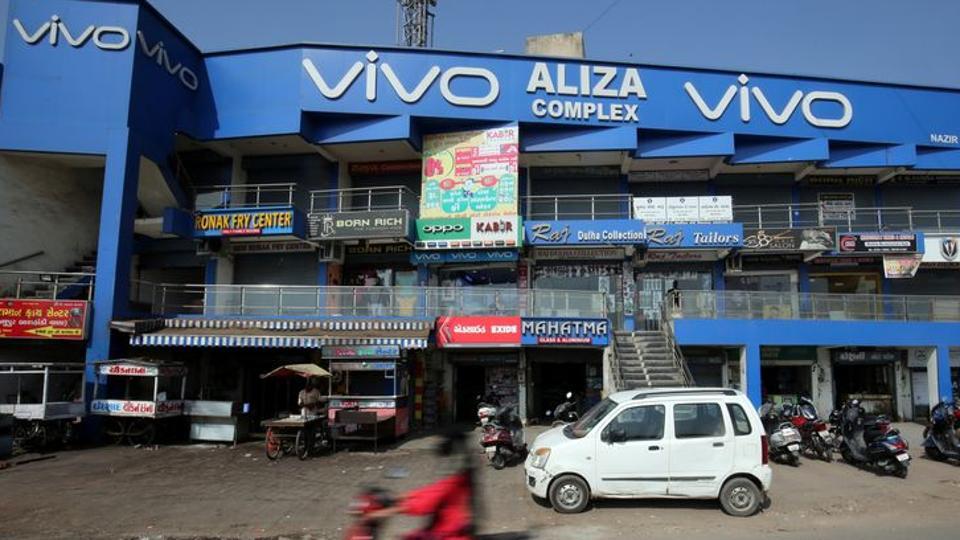
“Out of the total sale proceeds of ₹1,25,185 crore, Vivo India remitted ₹62,476 crore, i.e. almost 50% of the turnover, out of India, mainly to China. These remittances were made in order to disclose huge losses in Indian incorporated companies to avoid payment of taxes in India,” the ED said in a statement.
The investigating body carried out raids at 48 locations across India in connection with “forged identification documents and falsified addresses” by several firms linked with Vivo India. In May, the mobile phone manufacturer along with ZTE Corp faced an investigation for alleged financial irregularities, amid the government’s increased scrutiny of businesses that trace their origin to the neighbouring country that India has found itself locked-in in a tense border standoff.
Also read: India should probe Vivo according to law, not discriminate: China
The investigation is being carried out based on an FIR filed by the Union ministry of corporate affairs alleging the associated companies of Vivo India, including Grand Prospect International Communication Pvt Ltd (GPICPL), have been incorporated in the country using forged identification documents and falsified addresses.
Later, the allegations were found to be true in the investigation, ED officials said.
The ED found the address mentioned by the GPICPL director was incorrect and, in fact, it belonged to a government building and house of a senior bureaucrat.
Furthermore, the investigation revealed that the GPICPL director, Bin Lou, was also an ex-director of Vivo. He was found to have incorporated around 18 companies at the same time as Vivo India was being set up in 2014-15. Another Chinese national Zhixin Wei had incorporated 4 other companies. “These companies are found to have transferred a huge amount of funds to Vivo India,” said the probe agency.
The ED said Vivo India employees, including a few Chinese nationals, did not cooperate with the investigation and tried to “abscond, remove and hide” digital devices. “So far, 119 bank accounts of various entities with gross balance to the tune of ₹465 crore including FDs to the tune of ₹66 crore of Vivo India, 2kg gold bars, and cash amount to the tune of approximately ₹73 lakh have been seized under the provisions of the PMLA (Prevention of Money Laundering Act), 2002,” the ED said.
Earlier this week, Vivo India said in a statement that the firm was cooperating with authorities. “Vivo is cooperating with the authorities to provide them with all required information. As a responsible corporate, we are committed to be fully compliant with laws,” said a spokesperson.
Also read: ED blocks 119 accounts linked to Vivo, seizes gold bars after raids: Report
China on June 6 warned that the “frequent investigations” into local units of Chinese firms “impeded the improvement of business environment” in India.
“The frequent investigations by the Indian side into Chinese enterprises not only disrupt the enterprises’ normal business activities and damage the goodwill of the enterprises but also impede the improvement of business environment in India and chills the confidence and willingness of market entities from other countries, including Chinese enterprises to invest and operate in India,” spokesperson of the Chinese embassy in India Wang Xiaojian said in a statement.


