E-Paper



6 more hospitalised in Indore despite govt’s claims of action
Despite government efforts, six more diarrhoea patients were hospitalised in Indore's Bhagirathpura, amid a water-borne disease outbreak affecting over 1,500.

 Prefer HTon Google


Despite the Madhya Pradesh government claiming it had taken a raft of steps to counter the outbreak of water-borne diseases in Indore’s Bhagirathpura, long after alarms were raised on contaminated water, six more patients from the neighbourhood were hospitalised with diarrhoea on Thursday.
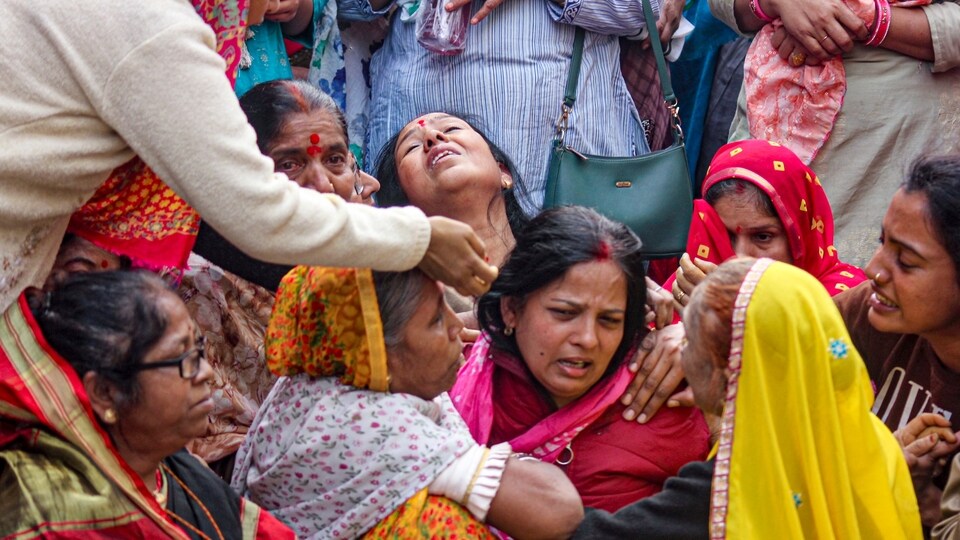
Indore chief medical health officer Madhav Prasad Hasnani said 23 diarrhoea patients visited the outpatient ward at three hospitals on Thursday, of whom six were admitted after vomitting and diarrhea symptoms.
In the weeks since the devastating outbreak emerged in December, over 1,500people have been infected by water-borne illnesses,446have been hospitalised and 10 have died. However, the government gave compensation of ₹2 lakh to families of 18 from the locality who died.
Indore collector Shivam Verma on Thursday said water samples collected initially on December 29 and 30 didn’t contain any chemical components. “So far E coli, salmonella and vibrio cholera – bacterial pathogens are the only reason that cause a range of severe diarrheal and gastrointestinal diseases,” he said.
The fresh rash of cases undercut the Madhya Pradesh government’s claims that it was working to stop the outbreak and clean up the contaminated water supply.
The outbreak was thrust into the public spotlight on December 29 after three people died in the locality. On Saturday, test reports of water samples confirmed the tap water was a cocktail of deadly pathogens that caused polymicrobial infections leading to multi-organ failure and sepsis among patients, officials aware of the matter said.
Drinking water samples contaminated by sewage had been blamed for the outbreak. Officials allegedly sat on complaints of contaminated water for at least six months before the spate of deaths.
Officials on Sunday declared an outbreak for water-borne diseases. The administration has also banned street vendors from selling food in the affected areas and urged residents not to drink water from the Narmada pipeline – the contaminated supply line in question – till it is flushed.
Test results on Monday confirmed that over half of the ground water samples from borewells in Bhagirathpura contained pathogens.
But Hasani said Thursday illnesses were “re-infections” as patients “had not completed the course of medication, leading to recurring symptoms”.