E-Paper



95% beneficiaries of take home ration scheme on paper, says NCPCR chairman
National Commission for Protection of Child Rights (NCPCR) chairman Priyank Kanoongo said the data clearly shows that there is a scam in administering of the scheme in MP


The National Commission for Protection of Child Rights (NCPCR) has claimed that 95% of the beneficiaries under Madhya Pradesh government’s take home ration scheme for adolescent girls, who had dropped out of school, were there only on paper and asked the state government to conduct a probe into this scam.
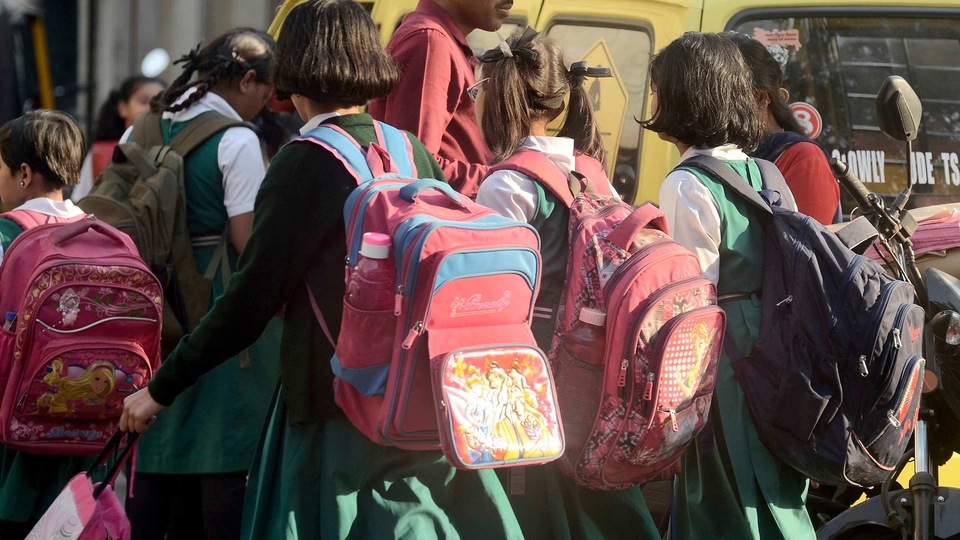
The state’s women and child development department gave take home ration (THR) to 1.71 lakh out of school adolescent girls in 2019 but only 8,600 girls were found to have dropped out of the school, according to the MP school education department data, NCPCR said, in a communication to the state government.
National Commission for Protection of Child Rights (NCPCR) chairman Priyank Kanoongo said the data clearly shows that there is a scam in administering of the scheme in MP. She also wrote to the economic offence wing (EOW) on February 2 asking for probe in the financial irregularities after the Comptroller Auditor General (CAG) and the school education department confirmed it.
Kanoongo said, “This is just a tip of the iceberg. This scam is at least of more than ₹100 crores.”
She said, “I made a surprise visit to an aganwadi centre in Vidisha district in March 2019 and found a list of girls, who were getting THR. As I used to know some of the girls, I called their family members and asked them to enrol the girls back in the schools. I came to know that these girls were not getting THR and were attending schools. In the name of these girls, THR is being consumed by someone else.”
“Later, NCPCR sought a data from the Women and Child development department about beneficiaries under THR programme. WCD informed us in April that there were 1.71 lakhs girls, who were getting THR. I asked them to provide names of the girls to probe but they didn’t provide specific data,” she added.
“NCPCR sought the same data from school education department to know the number of drop out girls aged 11 to 14 years. The school education provided data that there were 8,600 girls, who left the school. As there were huge differences in the data, I wrote to Comptroller Auditor General (CAG) to probe the data. The CAG report of four districts- Betul, Gwalior, Dindori and Singrauli revealed financial irregularities of ₹4 crore in the THR programme in one year,” said the chairperson.
Also Read: BJP leaders buy alcohol with Ram temple funds, says Congress MLA in MP
The NCPCR wrote to the state government and also asked the EOW to probe the matter.
Meanwhile, women and child development department reviewed the data in 2020 and the beneficiaries reduced by 56% to only 96,000. MP Women and child development department commissioner Swati Meena Naik said, “We have started mapping the beneficiaries with their Aadhar card. We are also looking into the matter of alleged irregularities in 2019.”