
 E-Paper



Act against pro-Khalistan elements targeting diplomats, India tells Canada
MEA said Canada needs to act on “very specific evidence” shared by India on criminal activities by terrorists and extremists

 Prefer HTon Google


India on Thursday bluntly told Canada to act against pro-Khalistan elements with links to organised crime that are targeting Indian diplomats, even as it said that Ottawa has not shared any specific information to back up their allegation of Indian involvement in the killing of Khalistani leader Hardeep Singh Nijjar.
On the contrary, External affairs ministry spokesperson Arindam Bagchi told a media briefing that Canada needs to act on “very specific evidence” shared by India on criminal activities by terrorists and extremists based on Canadian soil. He also pointed to Pakistan’s involvement in funding and supporting these elements in Canada.
The sharp messaging came against the backdrop of the free fall in India-Canada relations since Prime Minister Justin Trudeau pointed on Monday to a “potential link” between Indian government agents and the slaying of Nijjar, a man that was designated as terrorist by India. New Delhi has dismissed Trudeau’s allegations, and Bagchi said India has informed the Canadian side it is “willing to look at any specific information” provided about the case.
“We should look at the larger issue of terrorism and...also the fact that it is being funded and supported...for some time from our Western neighbour Pakistan. The issue of safe havens and places to operate is being provided abroad, including in Canada,” Bagchi said.
“We would expect that is the main focus. The question is do we have the political will to address terrorism, or do we want to justify it and condone it.”
Terrorists and secessionists linked to organised crime seem to “have a free run” in the North American country and India expects the Canadian government to act against them, Bagchi said. Asked if Trudeau’s accusation could affect India’s international image, he said, “If you are talking about reputational damage, if there is any one country that needs to look at this, I think it is Canada and its growing reputation as a safe haven for terrorists, extremists and organised crime.”
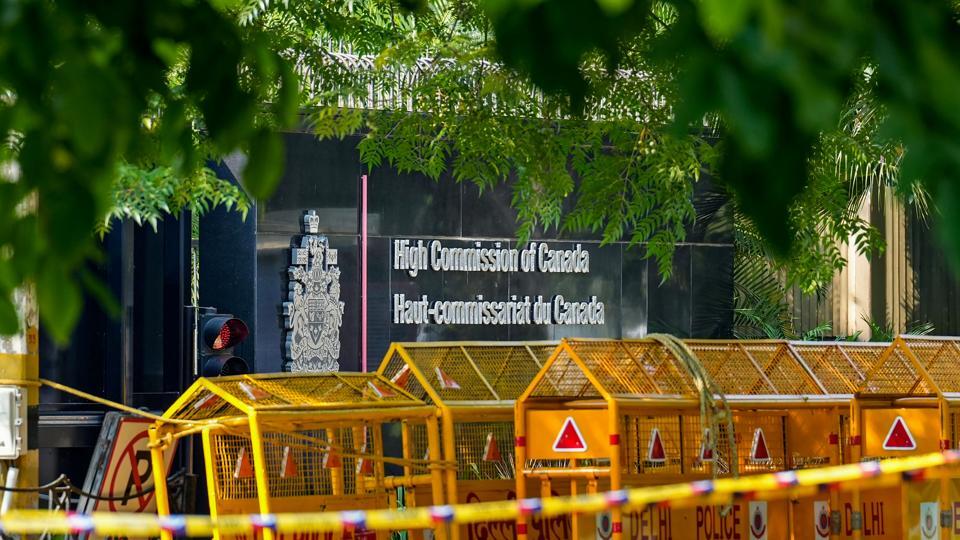
Canadian authorities should show sensitivity to “posters threatening assassination and incitement to violence” against Indian diplomats and attacks on diplomatic premises, he said.
Bagchi said no specific information has been shared by Canada on Nijjar’s case. “We have conveyed this to the Canadian side; that we are willing to look at any specific information that is provided to us. But so far, we have not received any such specific information,” he said.
In contrast, India has made extradition requests or sought other assistance in connection with 25 individuals allegedly involved in terrorist and secessionist activities in Canada. “We have been requesting and the response has not been helpful at all. We would want the Canadian government not to give them safe haven. They should take action there against those facing terrorism charges or send them here to face justice.”
Asked if a reference to “politically-condoned hate crimes” in an advisory issued on Wednesday meant Canadian authorities had not responded sufficiently in such matters, Bagchi said, “They didn’t respond with alacrity. I would go further and say they did not take [action] at all. It seems there is a feeling that these are part of freedom of expression...and these hate crimes are being condoned in...the political system.”
Bagchi also said India has briefed its Western partners on the issue of Nijjar’s killing. “We have been discussing this with them, we have conveyed our position and how we see these developments,” he said.



