
 E-Paper



Air India replaced cockpit module with fuel switch in crashed AI171 twice since 2019
AAIB in its preliminary report, stated that the previous TCM replacements were not related to any defect in the fuel control switches.

 Prefer HTon Google


Air India replaced the Throttle Control Module (TCM) in its now-crashed Boeing 787-8 aircraft twice—in 2019 and 2023—following a directive from the aircraft manufacturer. The TCM in the cockpit includes the fuel control switch.
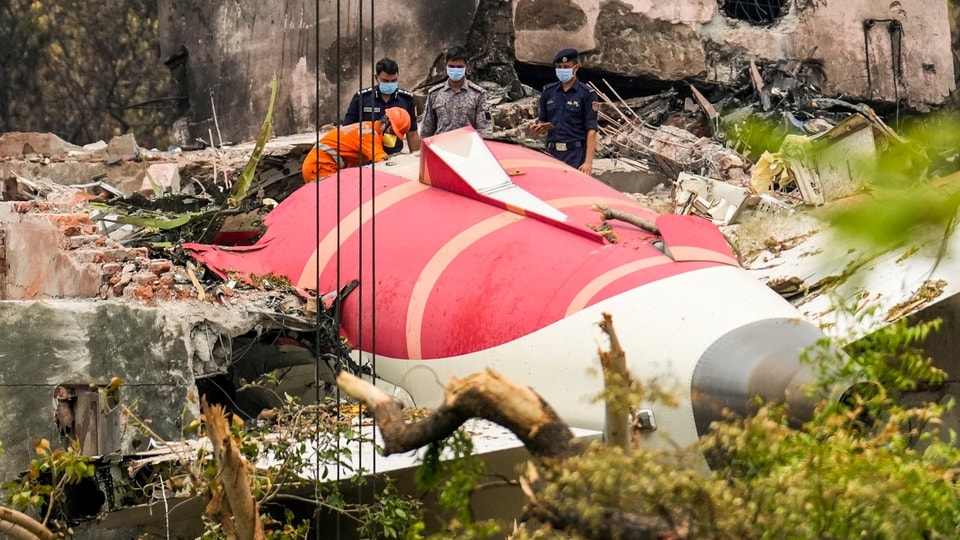
Aircraft Accident Investigation Bureau (AAIB), however, in its preliminary report into the June 12 crash said that the replacement was not related to any issue with the fuel control switch.
The fuel switches have become a focal point in the probe after both engine switches were found to have been in the cut-off position shortly after the Dreamliner took off from Ahmedabad en-route to London.
The Air India flight AI171 crash in Ahmedabad resulted in the deaths of 241 people onboard with 19 on ground toll after the jet crashed into a residential building near the airport.
Part of scheduled maintenance, says source
The replacement of the TCM was carried out in compliance with a revised Maintenance Planning Document (MPD) issued by Boeing in 2019, sources familiar with the matter told news agency PTI.
The MPD directed all Dreamliner operators to replace the TCM every 24,000 flight hours.
“Since 2019, when the MPD was issued, Air India changed the TCM in the ill-fated aircraft twice—once in 2019 and again in 2023,” PTI source said. However, specific details of the MPD could not be immediately confirmed.
No link to fuel switch failure: AAIB
The AAIB, in its preliminary report released Saturday, stated that the previous TCM replacements were not related to any defect in the fuel control switches. It noted that Air India had not reported any issues with the switches since 2023.
“As per the information from Air India, the suggested inspections were not carried out as the SAIB (Special Airworthiness Information Bulletin) was advisory and not mandatory,” the report stated.
AAIB also highlighted a 2018 bulletin from the US Federal Aviation Administration (FAA) that warned about the possibility of the locking feature on fuel control switches being disengaged, though the concern was not classified as a safety issue requiring an Airworthiness Directive.
Air India, Boeing cooperate with probe
In a statement issued Monday, an Air India spokesperson said, “We continue to fully cooperate with the AAIB and other authorities as their investigation progresses. Given the active nature of the investigation, we are unable to comment on specific details and refer all such enquiries to the AAIB.”
Boeing, in a statement issued earlier, reiterated that it is supporting the investigation. “We will defer to the AAIB to provide information about AI171, in adherence with the UN International Civil Aviation Organization protocol known as Annex 13,” a Boeing spokesperson said.
The AAIB has not recommended any immediate actions for Boeing 787-8 or GE GEnx-1B engine operators. The aircraft involved in the crash—registration VT-ANB—was powered by GE GEnx-1B engines.
According to the preliminary findings, the engines' fuel control switches were initially in cut-off mode and later turned on. However, the aircraft failed to gain sufficient thrust and altitude before crashing.


