
 E-Paper



Amit Shah to review J&K security, focus on counter-terrorism measures
According to officials based in Jammu and Srinagar, Shah will be briefed on terror activities in Pakistan-occupied Kashmir and the number of infiltrators at the launch pads planning to cross the heavily patrolled line with the melting of snows on high mountain passes.

 Prefer HTon Google


Union home minister Amit Shah will conduct a security review of Jammu and Kashmir with heads of para-military forces, UT Police, and security agencies in Jammu, with the focus on taking the fight to the terrorists on both sides of Pir Panjal.
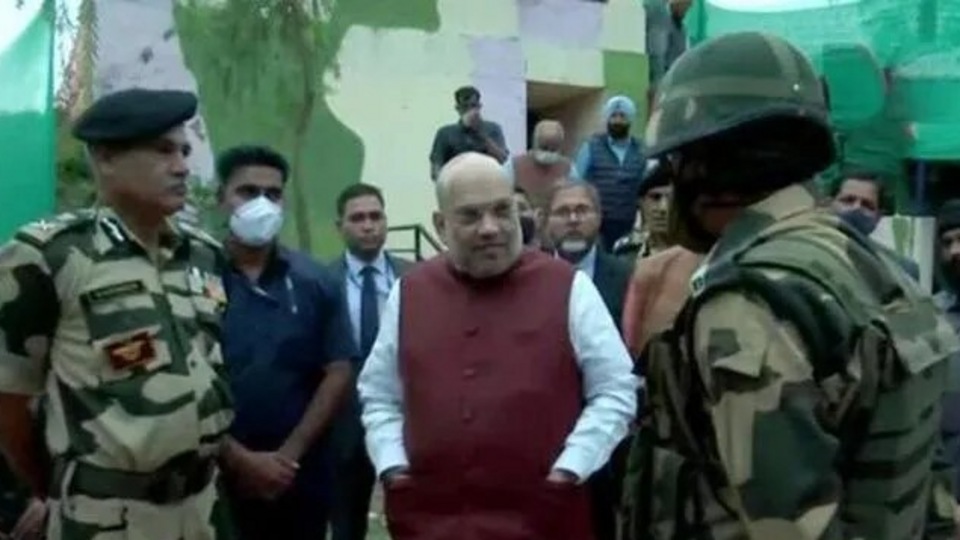
While the security forces in Jammu and Kashmir have synergized counter-terrorist operations and have been able to pro-actively neutralize terrorists belonging to Pakistan based groups and their proxies in the Valley, there are intelligence reports indicating smuggling of ready-made IEDs from across the LoC. The IEDs and weapons are being sent by using drones from across the border with mountain terrain giving them camouflage and radar protection. It is understood that many RDX-based IEDs have been sent from across the border to create mayhem with the UT and in the Indian hinterland.
According to officials based in Jammu and Srinagar, Shah will be briefed on terror activities in Pakistan-occupied Kashmir and the number of infiltrators at the launch pads planning to cross the heavily patrolled line with the melting of snows on high mountain passes.
Even though the Jammu and Kashmir police, with the support of para-military forces and the Indian Army, have been able to neutralize a large number of terrorists in the past three months, cadres of the Bahawalpur based Jaish-e-Mohammed are active in South Kashmir and Muridke based Lashkar-e-Taiba is operating through its proxy, the resistance front, in the Valley.
With the US-led coalition in Afghanistan leaving behind a mountain of sophisticated weapons including assault rifles, night vision devices, sniper rifles, C-4 explosives after the Taliban occupation of Kabul on August 15, 2021, there is concern within the security agencies that the US-made weapons will make their way into hands of Pakistani Punjabi terror groups to be used in the Valley. Already, the JeM, which has ideological and family links with top Taliban leadership, is using the US-made M-4 carbine and very difficult to intercept sophisticated communication devices apart from all-weather clothing and haversacks.
While the home minister will review the security measures of the LoC so that Pak infiltrators do not come across borders using tunnels, the security agency involved in internal security will give the state of radicalization in the UT. The key requirement of the para-military forces like BSF is anti-drone equipment that can neutralize the weapon and explosive carrying drones from across the border as it is only a matter of time when the terrorists start using the unmanned vehicles to take out troop convoys or high-value targets in airbases near the western border and the LoC.


