
 E-Paper



Army chief General Upendra Dwivedi warns Pakistan: ‘If you want to remain on world map…’
General Upendra Dwivedi said that India is fully prepared this time. And this time, it will not show the restraint that it showed during Operation Sindoor 1.0.

 Prefer HTon Google


Army Chief General Upendra Dwivedi on Friday gave a stern warning to Pakistan, saying, the neighbouring country must stop supporting terrorism if it wants to “retain its place on the world map.”
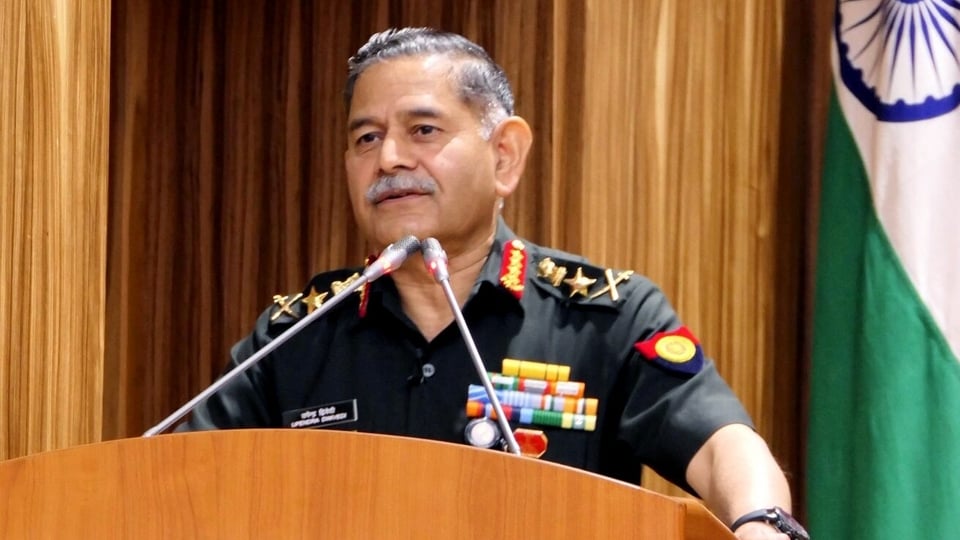
Speaking to soldiers at Anupgarh in Rajasthan’s Sriganganagar district, General Dwivedi stressed that the restraint shown by India during Operation Sindoor would not be repeated in any future conflict.
"India, as a country, is fully prepared this time. And this time, it will not show the restraint that it showed during Operation Sindoor 1.0. This time we will take a step forward and act in a manner that will make Pakistan think whether it wants to remain on the world map or not," news agency PTI quoted army chief as saying.
Dwivedi also urged Indian soldiers to remain ready for action. "Keep yourselves fully prepared now, if god wants, the opportunity will come soon," he said, noting the importance of vigilance amid continuing threats.
The army chief also claimed that India had exposed terrorist hideouts in Pakistan during its military confrontation, asserting that without India’s intervention, these would have remained concealed from the world's view.
‘We only wanted to harm terrorists’
General Dwivedi said India targeted nine terror sites inside Pakistan, seven by the Army and two by the Air Force.
“We had identified the targets because we only wanted to harm the terrorists. We had aimed to strike their bases. We have no complaints against ordinary Pakistani citizens, so long as their country does not sponsor terrorists. Because terrorists were being sponsored, those terrorist targets were hit,” he said, reported PTI.
Also Read | ‘Pakistan must be held accountable’: What MEA said amid unrest in PoK
The army chief war referring to the May 7 strikes codenamed Operation Sindoor, launched in response to the April 22 Pahalgam attack, which killed 26 civilians.
The strikes reportedly eliminated over 100 terrorists before Pakistan requested a ceasefire on May 10.
New Delhi and Islamabad have long shared strained relations, largely due to Pakistan’s support for terror organisations operating from its soil.


