
 E-Paper



Army HQ sets the ball rolling for a code of conduct
Today, the army is grappling with well-to-do retired junior commissioned officers and sergeants seeking membership of the Defence Services Officers Institute or army golf clubs, or sometimes refusing to stand in queues meant for their rank at the canteen services depot to purchase liquor.

 Prefer HTon Google


A piquant situation developed at the 33rd Biennial Battalion Commanders Conference of Madras Regiment last April when Arunachal Pradesh Governor Brig (Retd) BD Mishra decided to attend the event at Wellington, Tamil Nadu. A veteran of one of the oldest army regiments, Mishra’s visit needed last-minute diplomatic finesse from the Indian Army as veterans outranking him grumbled over his being given preference (he was, after all, a governor). The function was attended by Lt Gen Rajeev Chopra, the colonel of the regiment, and other major generals.
The incident highlights the tussle currently playing out within the Indian Army on whether, post retirement, an officer or jawan is defined by his rank, or his constitutional, financial or academic status. Today, the army is grappling with well-to-do retired junior commissioned officers and sergeants seeking membership of the Defence Services Officers Institute or army golf clubs, or sometimes refusing to stand in queues meant for their rank at the canteen services depot to purchase liquor.
There have also been incidents where the cleverer officers have hidden their retirement from the law enforcement agencies to walk out of tight situations.
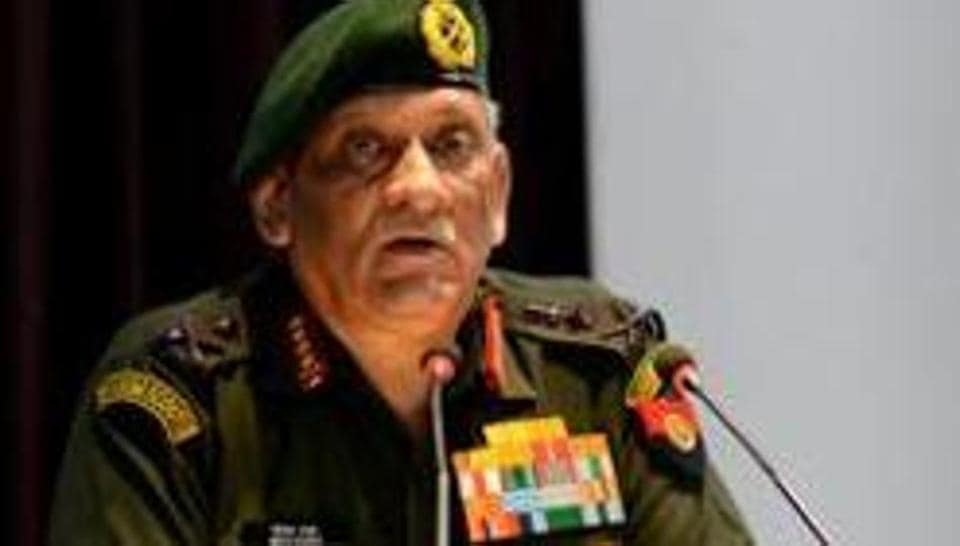
Not to let the divide sharpen further, Army Chief General Bipin Rawat and his other principals at Army HQ have decided to bring in a code of conduct for the Army as only personnel of Indian Armed Forces are allowed to carry their ranks as a mark of respect and dignity, post retirement.
The army brass is clear that a person’s rank in the Indian Army defines him within the veteran hierarchy, not financial or social status. The other option is to give up the rank and commensurate benefits and return to civilian life.
While Army Chief Rawat is facing criticism from veterans who do not want any code of conduct, the fact is that Army HQ is already in the process of framing the law in consultation with its legal wing and with punitive provisions built into it.
This, it hopes, will prevent junior officers abusing senior generals on Twitter in crude language and further lowering the dignity of an Indian Army officer. It is this military ethos that ensure that Gen Rawat addresses retired Army Chiefs respectfully as for him Gen (Retd) VK Singh is a former Army Chief first and then minister of state for road transport and highways in the Narendra Modi government.
Army HQ is clear that it is not interested in a code of conduct that acts as an advisory to serving and retired officers but which has teeth – to even withdraw pensionary benefits in the worst of cases. This will work in cases where the officer or a jawan has misrepresented facts before law enforcement agencies to get relief. It has come to the notice of the Army HQ that some senior officers have hidden their retirement when caught by the police or law enforcement agencies. There are others who have misused canteen benefits to purchase excise free liquor for civilians with the worst of them even selling liquor on the sly.
The code of conduct will ensure that a retired soldier can’t be a fauji or a civilian at his convenience.


