E-Paper



Assam plans separate classification for indigenous minorities: Himanta Biswa
The move comes after last week’s decision by the Assam cabinet to provide certificates to six minority communities in the state as a measure to identify them.


GUWAHATI: Assam chief minister Himanta Biswa Sarma on Wednesday said that the state government will take steps for separate classification of indigenous minorities in the state including Muslims.
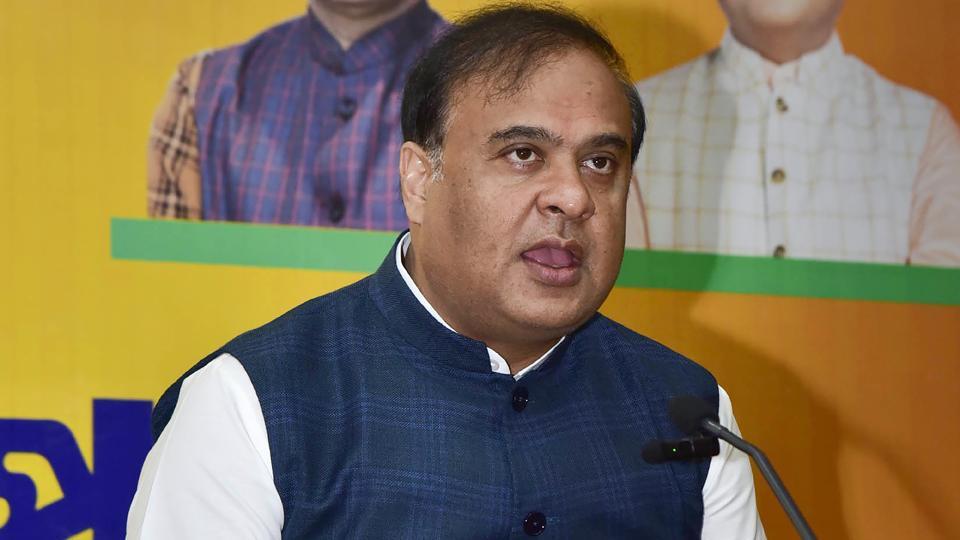
The chief minister’s statement came after last week’s decision by the cabinet to provide certificates to six minority communities in the state- Muslims, Christians, Sikhs, Buddhists, Jains and Parsis- as a measure to identify them so that they can get the benefits of government schemes.
“We are in process of identifying another set of minority people who have not migrated to Assam and are original residents of the region,” Sarma said in Guwahati while addressing journalists.
“Already the committee constituted for this purpose has given us certain parameters on who should be considered as indigenous minority. Our cabinet will take a decision on this before August 15,” he added.
Sarma said as of now there is no further classification of minorities except their religion, but Assam government will change it by using other “adjectives”.
The chief minister said the state government is planning such a move after indigenous Muslims in Assam sought separate classification, which distinguishes them from Muslims who migrated to the state from East Pakistan (now Bangladesh).
Following such requests, which included a separate census for indigenous Muslims, the state government constituted seven committees on their issues. These committees submitted their reports earlier this year.
Unlike Bengali-speaking Muslims who migrated from East Bengal and Bangladesh, indigenous Assamese Muslims use Assamese as their mother tongue and follow cultural traditions and festivities similar to Assamese Hindus which clearly differentiate them from the migrants.
Indigenous Muslims are divided into three distinct groups called Goria, Moria and Deshi and have some smaller groups like Moimal, Julha, Ujani etc. According to 2011 census, there are over 10.67 million Muslims in Assam.
As of now all Muslims, Jains, Christians, Buddhists, Sikhs and Parsis residing in India are considered as minority.
“Till such time the Supreme Court, which is hearing petitions regarding minority status, takes any decision, anyone practicing Islam is a minority ass per definition of the Minority Commission,” said Sarma.
“We the indigenous Muslims of Assam have been demanding a separate identity for us which distinguishes us from Bengali-speaking Muslims of the state. The statement by the CM on this is a welcome step. Let’s wait for the details of how this will be implemented,” said eminent lawyer Nekibur Zaman.