E-Paper



Assam students, environment activists launch online campaign to stop coal mining in elephant reserve
The campaign has been launched after NBWL authorities in April recommended that a portion of 98.59 hectares of the reserve forest could be used for opencast coal mining.

 Prefer HTon Google


College students and environment activists in Assam have launched an online campaign against a new National Board of Wild Life (NBWL) recommendation allowing coal mining in the ecologically-fragile Dehing Patkai elephant reserve.
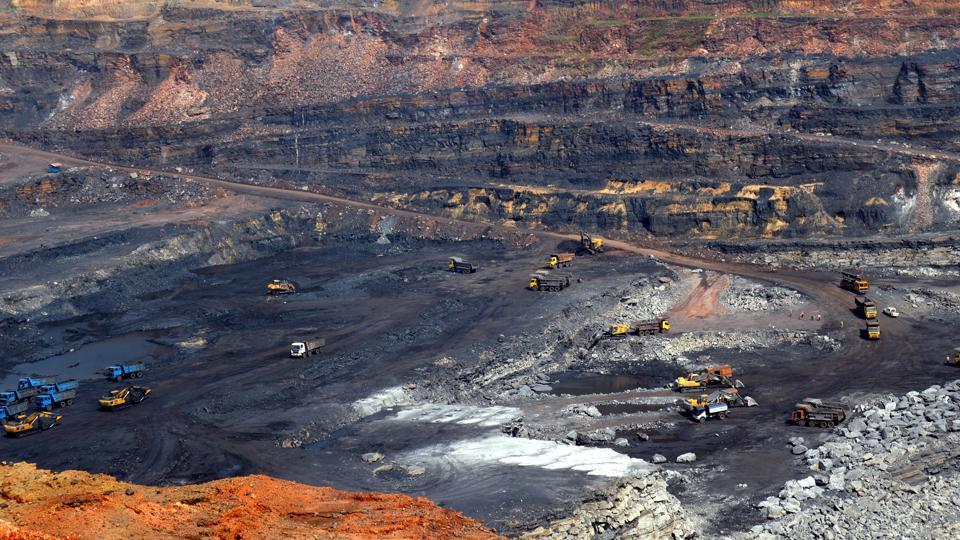
The campaign has been launched after NBWL authorities in April recommended that a portion of 98.59 hectares of the reserve forest could be used for opencast coal mining. While the rest of the reserve forest could be used for underground coal mining, they suggested.
The move is expected to have an adverse impact on the flora and fauna in Dehing Patkai elephant reserve, which is part of Dehing Patkai wildlife sanctuary spread across 111 square kilometres in Upper Assam’s Dibrugarh and Tinsukia districts. The sanctuary is said to be the largest tropical lowland rainforest in the country.
“We launched the campaign last week through social media because it was not possible to bring out rallies or hold processions because of the ongoing lockdown restrictions that have been enforced by the government to prevent the spread of coronavirus disease (Covid-19),” said Farny Ahmed, social service secretary of Gauhati University (GU) post-graduate students’ union.
Ahmed and a few others, who are part of the university’s Eco Club, have flooded social media platforms with posters, videos, memes, and photographs to spread awareness about the campaign.
In the past few days #SAVEDEHINGPATKAI and #IAMDEHINGPATKAI are trending on Facebook and Twitter and many students from other colleges in Assam are putting out graphics, videos, and photographs on social media to highlight the green cause.
“Illegal coal mining in Dehing Patkai has been going on for many years, but the NBWL’s move to allow coal mining in the Saleki area will erase the reserve from the country’s map. We won’t allow this to happen,”warned Lakhyajit Das, vice-president of GU students union, in a social media post.
According to a report submitted to NBWL authorities, Coal India Limited (CIL) has been carrying out mining in 57.02 hectares of the forest reserve for several years without obtaining any permission.
An NBWL’s standing committee meeting, which was presided over by the Union Minister for Environment, Forest and Climate Change, Prakash Javadekar, and conducted via video-conference on April 17 because of the lockdown, recommended new mining activities in the forest reserve. Environmental activities are concerned about the ministry’s move.
“The clearance was given hurriedly via video conference without any proper discussion. The Assam government should have objected to the move, but it seems they’re adamant on destroying the state’s environment and forests,” alleged Rohit Choudhury, a Right to Information (RTI) and environment activist.
“We’re in such a helpless condition that it has been left to college students to start an online campaign to save Dehing Patkai. The state forest department has gone morally bankrupt and is shielding the coal mafia,” Choudhury further alleged.
Ahmed said that they would submit a memorandum to Chief Minister Sarbananda Sonowal soon, urging him to ensure coal mining activities are stopped in all parts of Dehing Patkai.
Besides wild elephants, leopards, hoolock gibbons, pangolins, and bears, Dehing Patkai is also home to over 200 species of birds, reptiles, and several species of butterflies and orchids. Coal mining is likely to disrupt the habitats of these species and foraging routes of wild elephants.