E-Paper



Assamese in minority in 12 districts, should learn survival from Israel: Himanta
Himanta Biswa Sarma said delimitation of assembly seats had ensured that people of Assamese and Indian origin will get elected to at least 105 of the 126 seats

 Prefer HTon Google


GUWAHATI: Indigenous Assamese people are in the minority in 12 of the state’s 35 districts and should learn from Israel how to survive and prosper despite being surrounded by enemies, Assam chief minister Himanta Biswa Sarma said on Tuesday.
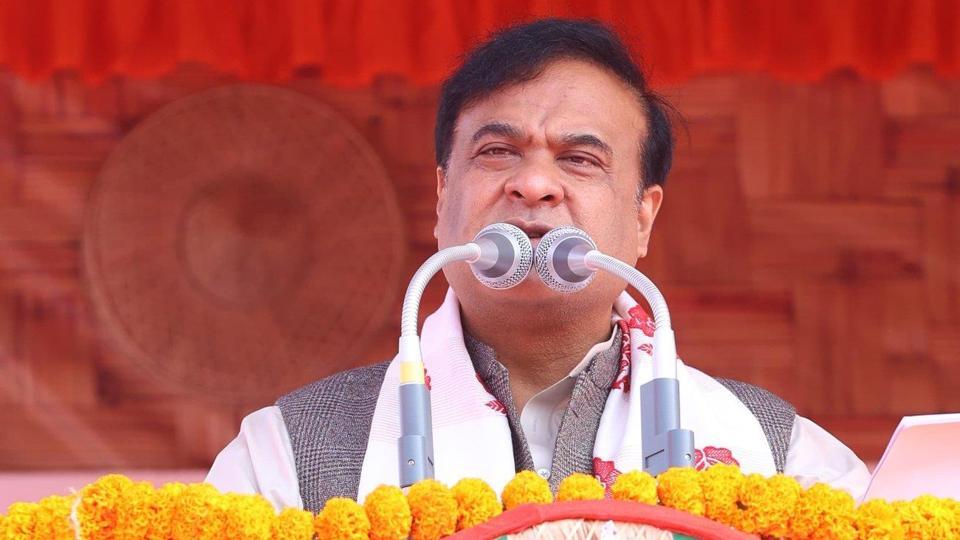
“Assamese people are a minority in 12 districts. Therefore, to be secure we should learn from history how Israel has become a strong country by using knowledge, science and indomitable courage despite being surrounded by enemies on all sides. Only then will we be able to survive as a community,” Sarma told reporters on the sidelines of an event at Jamugurihat.
Sarma made a similar point in his speech at the Swahid Diwas, observed on December 10 each year to honour over 800 people who laid down their lives during the six-year-long Assam agitation (1979-1985) against illegal infiltrators.
“I would urge Assamese to learn from Israel. In the Middle East that country is surrounded by Muslim fundamentalists. With Iran and Iraq as neighbours, Israel with a small population has become an impregnable society using science, technology and labour,” he said at the event.
Sarma also said that his government has undertaken several initiatives including steps to implement recommendations of a high-level committee on Clause 6 of the Assam Accord that seeks to give more protection to indigenous people.
“Delimitation of assembly constituencies in the state has ensured that people of Assamese and Indian origin will get elected to at least 105 seats (of the total 126) for many years to come. This has secured our political rights,” he said.
The CM added that in the past three years, the state government has removed illegal encroachments from over 10,000 hectares of land and ensured that the Charaideo burial mounds of Ahom rulers get the UNESCO world heritage tag.
“My government has given equal focus to preserving the identity of the Assamese people while ensuring rapid development in the state. I don’t want any such development which threatens the existence of Assamese,” he said.