
 E-Paper



BJP dominance in state’s polity, development plank to be tested in Gujarat
Gujarat’s development model was cited as a template for replication in the run-up to the 2014 general election, and the BJP asserts that since then, the performance of its “double engine sarkar”, a reference to the party being in power at the centre and in the state, has put the state leagues ahead of others


NEW DELHI: The Gujarat assembly polls, announced under the shadow of the tragic bridge collapse in Morbi and the consequent loss of human lives, will see the incumbent Bharatiya Janata Party (BJP) taking on a new opponent, the Aam Aadmi Party (AAP) and battling persistent issues related to price rise and unemployment that have found some resonance on the ground.
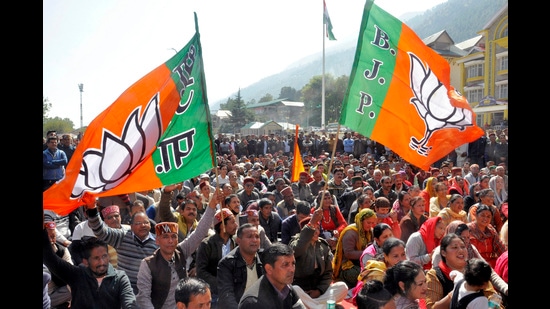
The two-phase election scheduled for December 1 and 5 will put to test the staggering claims of development by a “double engine government” and the party’s dominance over the polity in the state where it has been in power since 1998.
Gujarat’s development model was cited as a template for replication in the run-up to the 2014 general election, and the BJP asserts that since then, the performance of its “double engine sarkar”, a reference to the party being in power at the centre and in the state, has put the state leagues ahead of others.
Announcing projects worth thousands of crores during a two-day visit to the state in September, Prime Minister Narendra Modi also underlined that the BJP government has carried out development work in the state without resorting to any publicity. The PM said “honest attempts” have been made by BJP governments in the last 20 years to develop the state.
The BJP also claims it faces no anti-incumbency and does not perceive any dent in its popularity, which could electorally benefit its opponents, the Congress and the Aam Aadmi Party.
However, the unprecedented move of changing the entire state council of ministers, including the Chief Minister in 2021 was aimed at mitigating public anger against the then CM Vijay Rupani and his team for their inadequate response to the Covid pandemic and offset a larger sense of governance deficit.
“The appointment of Bhupendra Patel and new faces in the council of ministers was a clear message that the centre has its finger on the pulse (of the state) and they took remedial measures,” said a senior party functionary who asked not to be named.
Changes in the government notwithstanding, the party is gearing to face questions on several fronts including the crucial issues of inflation, employment and an overall slump in economy.
In the 2017 polls, the party’s performance -- it won 99 seats of the total 182 -- was seen as a setback, given the popularity of the BJP and its control over the electorate. The party won 115 seats in the 2012 polls.
“There were several reasons for the number of seats coming down, the Patidar agitation divided the votebank, anger against the Good and Services Tax, and unhappiness among farmers in rural areas with the remuneration for groundnut, cotton and sugarcane crop,” said the functionary quoted above.
The distress in the farming sector saw the BJP lose more seats in rural areas. The Patidar agitation for reservation in government jobs further eroded the BJP’s share in the rural areas.
The Aam Aadmi Party, which has launched a high-decibel campaign against the government and promised improved but subsidised facilities including electricity and education is looking to leverage persisting complaints of small and medium traders who continue to have concerns about GST and the dissatisfaction among the youth about the lack of employment avenues.
A second BJP leader said Gujarat has benefitted from foreign investments made in several sectors and the slump in economy has been an offshoot of the global pandemic that has roiled economies and businesses worldwide.
“The AAP poses no threat to the party. The people of Gujarat are industrious, they are not likely to be taken in by promises of freebies, especially since they are aware of the governance deficit in Delhi and Punjab,” the second functionary said.
Unlike in 2017 when the BJP set itself a target of winning 150 seats, this time the party is being more cautious by not announcing a number and has also indicated that it may not necessarily be dropping a significant percentage of the sitting legislators because it does not want rebels spoiling the show. In poll-bound Himachal Pradesh, the party is concerned by the impact that the rebels who were overlooked for tickets will have on the final performance.
The party has also sharpened its outreach towards communities such as tribals who can swing the outcome. At the foundation laying ceremony for a slew of development projects in Tapi district of Gujarat last month, the PM reiterated that previous state governments ignored the interests of tribal people and it was the BJP that gave them priority.


