
 E-Paper



Britain to scrap landing cards for Indians, other non-EU citizens
Scrapping the cards — considered outdated in the digital age — is expected to free immigration personnel for other duties while saving nearly £3.6 million every year.


Britain has announced plans to scrap landing cards for Indians and other non-EU citizens as part of measures to ease passenger experience as well as save costs. Passengers arriving at Heathrow and other ports have filled out these cards since 1971.
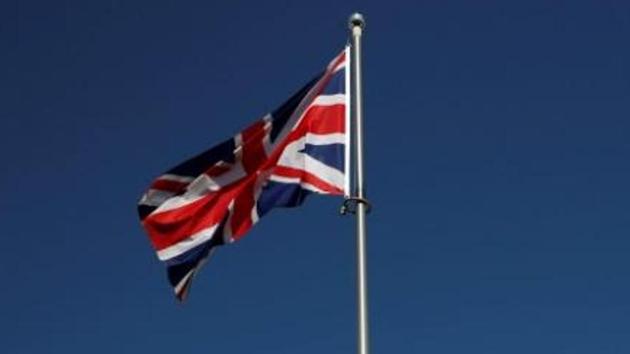
Scrapping the cards — considered outdated in the digital age — is expected to free immigration personnel for other duties while saving nearly £3.6 million every year. The move will also shorten queue lengths and improve passenger flow.
Officials said the withdrawal of landing cards will not result in the loss of any data used for security checks. Indian and other non-EU passengers will continue to be checked against police, security and immigration watch lists to verify the identity and confirm the status of every passenger.
Indians are among the largest number of visitors to the United Kingdom for purposes that include tourism, work, studies and family visits.
“This change will also be an improvement to the border process — landing cards will no longer have to be purchased and distributed by carriers; there will be no burden on passengers to complete these cards; and it will reduce the administrative costs to the taxpayer by freeing up Immigration Officers’ time related to the processing of landing cards,” a home office statement said.
Heathrow CEO John Holland-Kaye said: “In post-Brexit Britain, it will be even more important to show we are open for business and make sure that we give investors, tourists and students a great welcome to our country.”


