
 E-Paper



Centre set to open missile sector to private Indian firms
The defence ministry will soon float a request for proposal inviting private firms and conglomerates to manufacture the Astra Mark 2 missile, HT has learnt.

 Prefer HTon Google


With Indonesia keen to acquire Astra, a 180km-plus range beyond-visual-range (BVR) air-to-air missile developed by the Defence Research and Development Organisation (DRDO), the defence ministry has decided to open up the strategic missile sector to private Indian companies. This shift comes as the state-owned manufacturer, Bharat Dynamics Ltd, cannot cater to the growing demands of the armed forces and missile exports to friendly third countries.
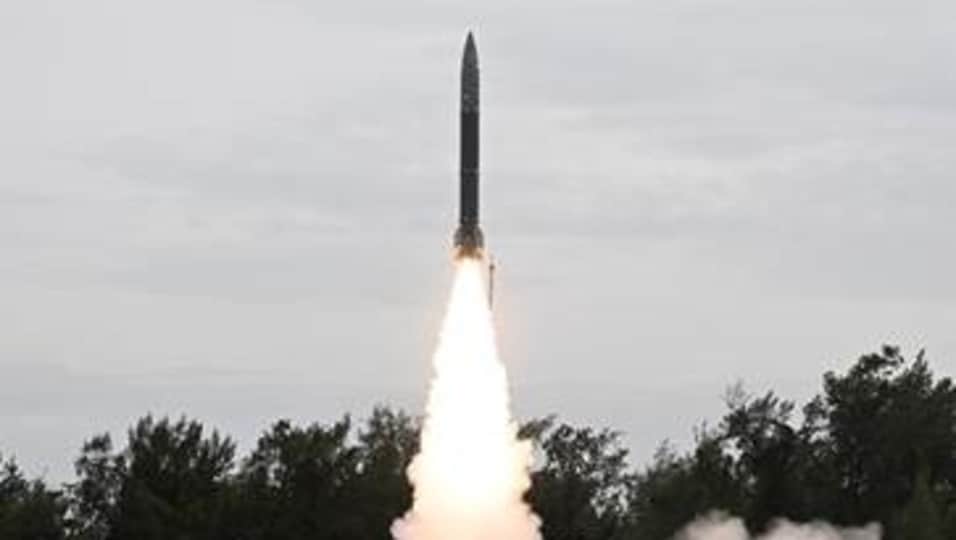
The defence ministry will soon float a request for proposal (RFP) inviting private-sector firms and conglomerates, including ICOMM, Adani, Bharat Forge, the Tata group and the Mahindra group, to manufacture the 180-200km range Astra Mark 2 missile, HT has learnt. The successfully tested missile counters the long-range PL-15 E air-to-air missile provided by China to Pakistan in the run-up to Operation Sindoor last year. The Astra Mark 2 will be integrated with Tejas Mark 1-A, MiG-29, Su-30 MKI and Rafale Marine fighters.
ALSO READ | Indonesia wants $200M worth BrahMos from India, Astra missile numbers to be worked out
According to people familiar with the matter, the next missile to be offered to the private sector for both development and manufacturing is the two-stage, 500km-range Pralay tactical ballistic missile. Flying at six times the speed of sound, Pralay is part of the integrated rocket forces, which includes the newly developed long-range land-attack cruise missile (LRLACM), the next-generation BrahMos and the extended-range Pinaka multi-barrel rocket launching system, which can target enemies at a distance of 300km.
With Operation Sindoor ushering in the era of stand-off weapons in the Indian subcontinent, the Modi government wants to rapidly build up its missile and rocket arsenal to deter adversaries. The current focus is on both offensive and defensive anti-ballistic missiles, as the Iran-US war has shown how missiles can wreak havoc on critical infrastructure. In this context, India and Israel are working on a long-range surface-to-air missile to protect warships, while a multi-tier anti-missile and anti-drone network is being built to tackle low-cost Turkish drones used by Pakistan, as well as long-range rockets and ballistic missiles used by the People's Liberation Army (PLA).
ALSO READ | India’s BrahMos diplomacy in Southeast Asia
While the fifth S-400 air defence system will arrive in India in November, the Modi government plans to approve five more S-400 systems from Russia to secure the country’s skies from incoming enemy missiles. The S-400 system will be protected by the Russian Pantsir system against kamikaze drones and rockets.


