
 E-Paper



Chhattisgarh becomes second state to recognise CFR rights inside national park
Odisha was the state to have recognised the Community Forest Resource (CFR) rights in a national park. It empowers forest dwellers with the authority over decision-making and forest governance.

 Prefer HTon Google


BASTAR: Chhattisgarh is now the second state after Odisha to have recognised Community Forest Resource (CFR) rights inside a National Park, after the state government approved the CFR claims of Gudiyapadar and Nagalsar villages in Kanger Ghati National Park in Bastar district.
Chief minister Bhupesh Baghel on Wednesday met the villagers of both the villages at Nangur during his ‘Bhent Mulakat’ programme and handed over the CFR certificates.
The rights empower forest dwellers with the authority over decision-making and forest governance with access to and use of funds available under various government programs for management of their CFRs.
In 2016, the Odisha government was the first to recognise Community Forest Resources (CFRs) inside the Simplipal National Park and now Chhattisgarh is the second state to recognize it, officials of Bastar claimed.
“Gudiyapadar, a small hamlet of about 29 households from the Gond community with lower literacy rates and located under Chitalgur Gram Panchayat, inside Kanger Ghati National Park, which as such was not even recognised as a revenue village due to its small size and remoteness, will be the first village in Chhattisgarh to get CFR rights inside a National Park,” a revenue official said.
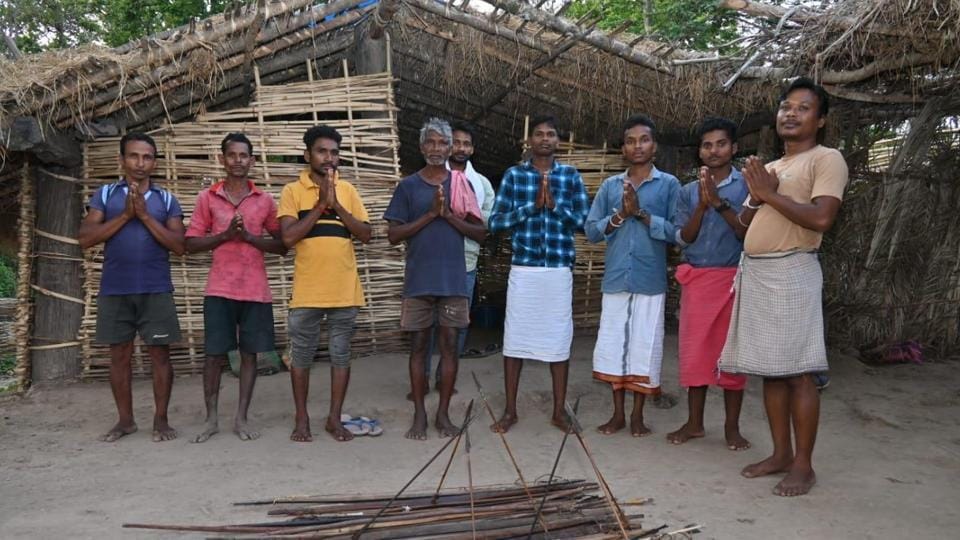
Officials claimed that the tribals of Gudiyapadar put an end to the practice of animal sacrifice and about 120 people belonging to 30 tribal families took an oath in front of deity that they would never hunt animals again and would help in maintaining the food chain of the forest.
“The recognition of CFR rights would lead the forest governance towards a community based conservation regime and this would further strengthen the livelihood and food security. Not only this forest tenure is a rehabilitation to such people but it also tends to undo the historical injustice which the forest dwelling communities have faced in past centuries,” said Bastar collector, Rajat Bansal.
The CFR gives gram sabhas the right to protect, regenerate or conserve or manage any community forest resource which they have been traditionally protecting and conserving for sustainable use. The locals have demanded to recognise 403 hectares of land in their village.
“The CFR rights will also facilitate community participation in forest and wildlife conservation in the national park. It will be a unique example of how human and wildlife can coexist which will also help in long term sustainable management of forest and wildlife besides securing livelihood opportunities for villagers through ecotourism,” said Dhamsil Ganvir, director of Kanger National Park.
Activists working for tribal rights claimed that it is a welcome step by the state government.
“This is a welcome step by the state government and I hope the rights will protect the community resource. The rights also ensure that the process of wildlife conservation is fully inclusive of the communities living in the wildlife-rich areas,” said Abubhav Shori, an activist and researcher working in Bastar.
-kW0H-U20214218012MgB-250x250%40HT-Web.jpg)


