
 E-Paper



CJI to look into stray dogs matter as lawyer claims conflicting orders by court
The mention comes two days after a bench directed the governing bodies in Delhi NCR to round up all stray dogs within eight weeks and keep them in dedicated shelters.

 Prefer HTon Google


Chief Justice of India (CJI) Bhushan R Gavai on Wednesday said he would examine the ongoing contentions over the management of stray dogs, after an advocate flagged conflicting directions issued by different benches of the Supreme Court.
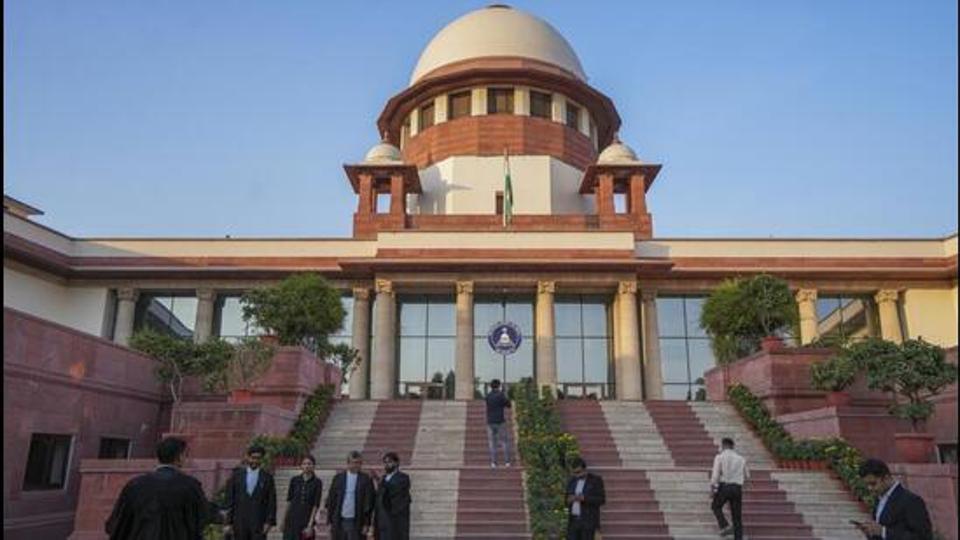
The CJI’s assurance came in the wake of an August 11 order of another bench of the top court, directing the civic bodies in Delhi and the National Capital Region (NCR) to round up all stray dogs within eight weeks and house them in dedicated shelters. No captured animal, this bench made clear, is to be released back on the streets.
During the brief mentioning, the advocate reminded the CJI that the matter was heard by another bench, which had earlier issued notice and referred to a 2014 Supreme Court judgment that barred the indiscriminate killing of stray dogs, mandating adherence to existing laws and rules for their management.
“This is with regard to the community dogs issue...There is an earlier judgment of this court, of a bench of justices JK Maheshwari and Sanjay Karol, which says there cannot be indiscriminate killing of canines and that compassion for all living beings has to be there,” the lawyer submitted.
CJI Gavai responded: “But the other bench has already passed orders,” before assuring, “I will look into this.”
The mention comes two days after an order by a bench of justices JB Pardiwala and R Mahadevan directing the government and civic bodies in Delhi NCR to round up all stray dogs within eight weeks and keep them in dedicated shelters. The bench, hearing a suo motu petition on the “alarming and disturbing” rise in stray dog attacks, also ordered the creation of shelters for at least 5,000 dogs and the setting up of helplines to ensure any dog involved in a biting incident is picked up within four hours.
The court further ordered contempt proceedings against anyone obstructing the drive and criticised the Animal Birth Control (ABC) Rules, which require sterilised dogs to be released back into the same locality, calling the provision “unreasonable and absurd.” “Whether sterilised or not, the society must feel free and safe. You should not have any stray dog roaming around,” the bench had observed.
These directions, according to the mentioning lawyer, stood at odds with the Supreme Court’s May 9, 2024, order in a long-pending batch of petitions concerning the interplay between the Prevention of Cruelty to Animals Act, 1960, the Animal Birth Control Rules, and state municipal laws.
In that judgment, the bench of justices Maheshwari and Karol closed the proceedings following the enactment of the Animal Birth Control Rules, 2023, but categorically reiterated that “under all circumstances, there cannot be any indiscriminate killings of canines” and that authorities must act in the “mandate and spirit” of prevailing legislation. The court stressed that compassion for all living beings is a constitutional value and that any future disputes could be pursued before appropriate constitutional courts or forums.



