
 E-Paper



Coronavirus shows extended incubation period in Kerala
In at least seven cases, Covid-19 patients had contracted the virus 18 to 26 days after exposure.


Kerala’s decision to set a 28-day incubation period for the virus although the World Health Organisation (WHO) had suggested a 14-day term, has paid off after the virus started showing a longer incubation period, say health experts.
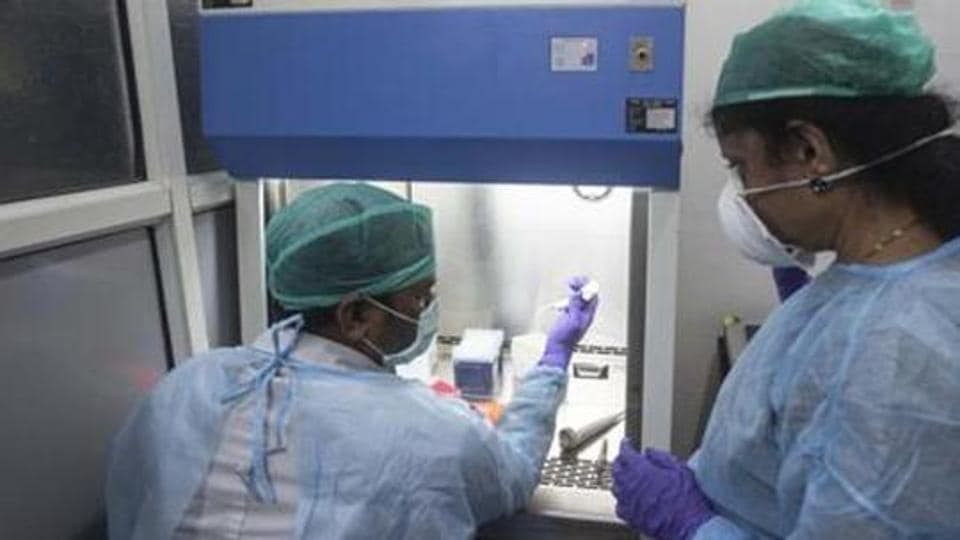
Initially many questioned this but the state’s health department maintained that extension was meant to make it doubly sure that asymptomatic person or concerned patient is disinfected completely. Some of the recent instances show the state was right - at least seven cases have come to light that show patients had contracted the virus 18 to 26 days after exposure.
Follow coronavirus latest updates here.
A person who had returned to Kannur from Dubai had tested positive after 26 days of his arrival. In Pathanamthitta, a student who travelled in a compartment in which some Tabligi Jammat members were also present, tested positive after 22 days of her trip. Under observation she remained asymptomatic throughout but turned positive when her observation period was about to end.
The unusual behaviour of the virus has left the overworked health workers worried as they are running against time to flatten the curve. On Tuesday, eight people tested positive but the number of discharged was 13.
One more person tested positive on Wednesday to take the total number of patients to 387 in the state out of which 211 have been discharged, 173 are undergoing treatment and three have died.
“When first few cases were reported in the state we sought the advice of the experts and they said it was always safe to keep an extended incubation period. So we took a decision on 28 days. Even those discharged were also told to comply with 14-day quarantine in their homes. We don’t want to take any chance,” said State health minister K K Shailaja.
Experts say in 90 per cent cases incubation period may be right but in 10 per cent there are chances of aberrations. Since most of them are under observation they also rule out chances of local transmission.
“It is a new virus and its behaviour is yet to be ascertained fully. So we need more tests. People who are under observation will have to be checked. Since there is no vaccine, isolation and testing are the best ways to check its spread,” said Dr B Ramankutty, a public health expert.
People who came from abroad and other states were advised to go on home quarantine and were told that if they show symptoms during this period they would be tested and transferred to hospital in case the test turned positive. In Pathanamitta girl’s case she turned asymptomatic even after she tested positive on April 6, said district medical officer Dr N Sheeja.
“We can’t give a definite incubation period to a new virus like this. In Wuhan also some cases cropped up after 32 days of isolation. So we have to be careful. We are really lagging in tests. Our current testing rate is 19 per million population. Norway tops the list with a rate of 14,537 tests per million followed by South Korea at 7,353 and the US 1,647,” said another medical


