E-Paper



Covid-19: Continued lockdown could cripple Assam’s tea industry
Factories in tea garden across Assam are closed because of the lockdown and plucking of leaves suspended. The first flush, which falls between March-April, and accounts for the best quality tea, is already affected.


Assam’s tea industry has been hit hard by the 21-day lockdown across the country to contain spread of coronavirus disease Covid-19. And if it continues further, it could cripple the 180-year-old industry.
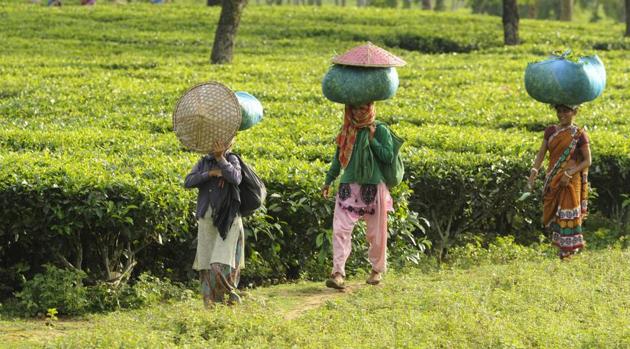
The sector which employs around one million people (both in big tea gardens and small ones) was already facing problems due to increased production and stagnant prices.
“While the Assam government is trying to address the issue, not a single measure has been announced by Centre to support the tea industry at this time,” said PK Bezboruah, chairman of Tea Board India.
Factories in tea garden across Assam are closed because of the lockdown and plucking of leaves suspended. The first flush, which falls between March-April, and accounts for the best quality tea, is already affected.
“We are expected to pay wages to our workers through the lockdown and unions and pressure groups are insisting that we don’t operate but pay full wages. If the lockdown continues and tea industry is not given benefits, the industry will get severely affected,” Bezboruah, a tea planter himself, added.
While tea gardens in South India have started operating after instructions from Centre, it still hasn’t happened in Assam which has close to 800 gardens and accounts for over half of the country’s tea output.
Assam government has allowed gardens to irrigate and spray pesticides, but a decision on allowing them to continue plucking and operate factories from April 1 while following social distancing measures, has been put in hold reportedly due pressure from some groups.
The Assam Tea Tribes Students Association has expressed resentment against tea gardens for “reluctance of tea garden management to release the full wage and the due ration to tea garden workers for the lockdown period.”
“The Centre’s directions to the state government on functioning of some industries during the lockdown will be implemented by deputy commissioners in districts provided they fulfill the norms of social distancing,” said industries minister Chandra Mohan Patowary.
“This is for all sectors and not just the tea industry. Assam government will not issue any separate directions on this matter,” he added.
Last month, Bezboruah in his capacity as Tea Board chairman had written to the Centre seeking a package worth around Rs 1500 crore, but there was no response. Planters say Centre has not been coming to the industry’s aid despite problems facing it in past two years.
In 2019, Assam’s tea production had reached an all time high of 715 million kg, which is 51.5% of all India production, but the industry didn’t benefit as prices have remained stagnant for several years.
“The production in north India would come down by around 150 million kg during the 21-day lockdown. The economic loss to the industry would be around Rs 1,600-Rs 1,700 crores,” Bezboruah said.
If lockdown gets extended till mid-May and tea gardens are not allowed to operate or given a relief package, the loss of production and revenue could double—around Rs 3,000 crore and 1150 million kg loss of production (nearly 25% of annual output)
In Assam, the government assured supply of rice for tea garden workers through PDS as subsidized rate of Rs 22/kg in view of the lockdown, but only a few districts have implemented it till now.
Due to lockdown and suspension of plucking tea bushes in many tea gardens are overgrowing and planters are asking the government to allow skiffing-removal of the overgrown leaves.