E-Paper



Covid-19 deaths in India largely due to patients reporting late at hospital: Govt
The country’s deaths per million population due to Covid-19 currently stand at 106, and the global figures show that 216 patients are dying of Covid-19 per million population in comparison


Fewer patients are dying in India due to the coronavirus disease (Covid-19) as compared to other countries, and deaths happen largely because patients are reaching hospital late, say experts in the government.
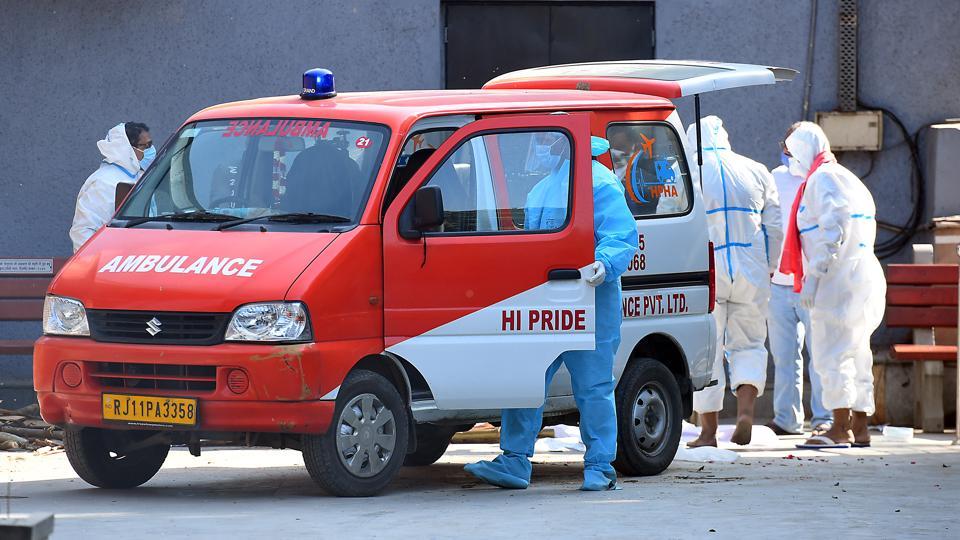
The country’s deaths per million population due to Covid-19 currently stand at 106, and the global figures show that 216 patients are dying of Covid-19 per million population in comparison.
“The deaths are low in number and our analysis shows that most of the positive cases, who are serious, come to a hospital late; when their condition has fairly deteriorated. It is important to get tested and seek medical aid in time to avoid complications,” said Dr VK Paul, in Tuesday’s media briefing on Covid-19 update.
India’s disease trajectory shows there has been a constant decline in both the number of new deaths and new cases reported daily.
Also Read: India records 23,950 new infections in 24 hours, 22% rise from yesterday
“In India we are seeing 7,300 cases per million population currently and global figures show 9,600 cases getting reported per million population. Ttat goes on to show that the country has managed to control the disease quite well,” said Rajesh Bhushan, union health secretary.
The comparison of past seven days’ data on Covid-19 cases per million showed that average daily new cases had declined from about 46,000 between November 4 and 10 to about 24,000 in the week between December 16 and 22.
On Monday, India had reported less than 20,000 new cases after almost 173 days, and health ministry attributes the steady decline in numbers and deaths to sustained efforts at the ground level both from the central and state governments.
“Teams of experts were sent to states that were reporting a higher caseload to assist governments in managing the condition on ground. Experts would look for areas that needed special focus and drafted mitigation plans accordingly. All that has worked in bringing the numbers down overall, and the result is here for all to see,” said a senior health ministry official.
“Having said that, there is absolutely no reason to drop our guards yet as there have been multiple waves of the disease already. The surveillance and other measures will continue along with people observing Covid-appropriate behaviour, which is absolutely necessary in curtailing the transmission rate,” the official added.