
 E-Paper



Covid-19: Delhi govt revises yardstick to designate locality as Red Zone
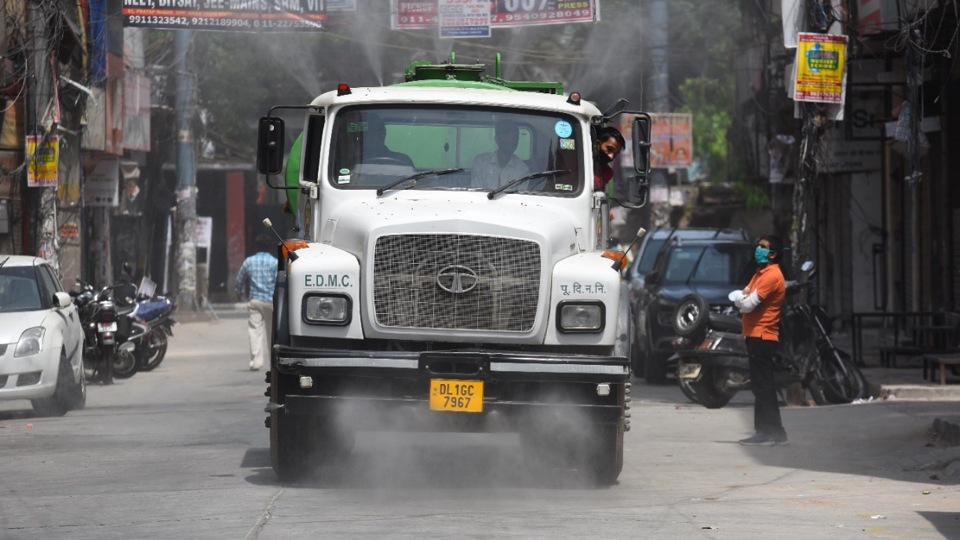
Under Operation SHIELD, the Delhi government seals off a locality once it is declared a Red Zone to prevent any possible transmission of Covid-19.


The Delhi government has drastically revised the norm for designating a locality as a Red Zone in its fight to contain the spread of Covid-19.
“There are 47 ‘Red Zones’ in Delhi now. We’ve made the criteria more stringent now. Earlier an area used to be declared a ‘Red Zone’ if 10 or more positive cases were found there. Now, if 3 cases are found in an area it’ll be declared a Red Zone and contained,” ANI quoted Delhi Health Minister Satyendar Jain as saying on Tuesday.
“An area where one or two positive cases are found is considered an ‘Orange Zone’. It is monitored and declared a ‘Red Zone’ if more cases are found there,”” he said.
Follow coronavirus latest updates here.
Under its Operation SHIELD, the Delhi government seals off a locality once it is declared a Red Zone to prevent any possible transmission of the disease.
Jain said the government is also waiting for rapid testing kits to increase the scale of tests.
Also read: Metro services to remain suspended till May 3, announces govt
“We haven’t received the rapid testing kits yet. There is a great need for them. The central government is about to receive the kits which have been imported, then we will get too. We will start working with it, the day we receive it,” he said.
Shortly after Jain’s comments, Raman R Gangakhedkar, of the Indian Council of Medical Research (ICMR) who spoke at the daily briefing of the Union health ministry, said 37 lakh rapid test kits are expected to reach any time.
On Monday, Gangakhedkar had said rapid testing kits from China will arrive on April 15. The kits were earlier expected to arrive on April 5.
Last month, WHO Director General Tedros Adhanom Ghebreyesus had called for vigorous testing to combat coronavirus.
“We have a simple message to all countries - test, test, test,” the WHO Director General had said in Geneva, as he described the pandemic “the defining global health crisis of our time”.


