
 E-Paper



Covid-19: Seven months after fleeing lockdown, migrant worker says ‘don’t have courage to go back to city’
Ajurm lifted bricks and carried mixture of cement and sand for Rs 350-400 a day in a construction site in KK Nagar area of Chennai. Her mason husband earned Rs 700 and son another Rs 400 as a painter.

 Prefer HTon Google


It’s almost seven months since B Ajurm Patro fled Chennai for her home in Manapalli village in Odisha’s Ganjam district with her three-year-old daughter and husband. Patro accompanied her husband B Ghana Patro to Chennai, accompanied by 30 other women of Manapalli in February this year. Ghana and the couple’s 20-year-old son Kailash worked at a construction site.
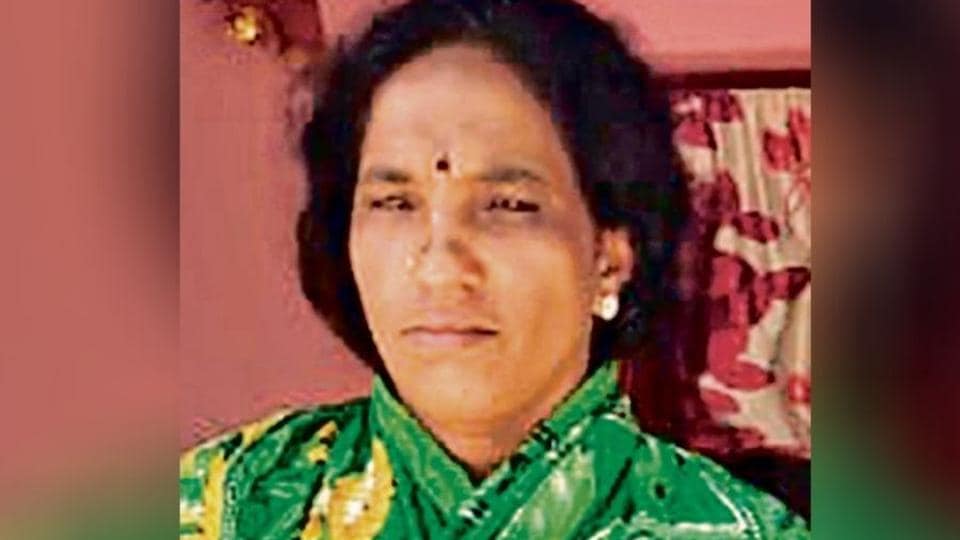
Ajurm lifted bricks and carried mixture of cement and sand for Rs 350-400 a day in a construction site in KK Nagar area of Chennai. Her mason husband earned Rs 700 and son another Rs 400 as a painter.
When the lockdown was clamped on March 25, all three lost their jobs. Worried for their survival and the health of her three-year-old daughter Smrutilekha, the couple pooled in their life savings and paid Rs 9,000 for two seats on a bus back home in May.
Covid-19 cases have abated considerably across India, but Ajurm and Ghana aren’t keen to go back, despite their depressed incomes back home. “Life is tough here with all the money that we make working in others fields spent on filling our stomach. But I don’t want to go back to Chennai where life is tougher. The money that we made in Chennai was more than what we earn. But I don’t think I am ready to go there with my three-year-old daughter to an alien city,” said Ajurm.
Ghana was the first migrant worker in the family who, in 2015, travelled to Ahmedabad for work at a construction site, then moved to Mumbai and finally Chennai. His son Kailash joined him after finishing high school in 2019.
Since their return from Chennai, the landless Patro couple work in fields as sharecroppers. The share of harvest that they get is barely enough for the family. Besides, work is not available every day. “Not much NREGS [National Rural Employment Guarantee Act] work is available too. Though some women and men from my village have gone to Chennai and other places after lifting of lockdown, I don’t have the courage to go back again after the frightful experience of May,” said Ajurm, referring to the national rural jobs guarantee scheme.
Kailash, who took a flight back to the state in September to attend his uncle’s cremation, is also not in a mood to go back.
“I went to Chennai to supplement my family income. But frankly I never liked painting walls in buildings like other migrant workers from my village. I want to join Odisha police or do some government job that would give me some stability. I will try hard to get a job in Odisha police over next 12 months,” said Kailash. He now worries that his savings of Rs 50000 might run out soon.
In case, a government job does not materialise, Kailash wants to open a small shop like other migrant workers of his village. “I am not sure what to do next. Everything depends on my family’s financial stability. If I am not able to do anything next year, I may have to migrate elsewhere,” he added.


