
 E-Paper



Covid-19 cut India’s life expectancy by 2.6 years? Centre says study ‘untenable’
The Union health ministry commented on the findings of a paper published in an academic journal on life expectancy during the Covid-19 pandemic in India.


The Union ministry of health and family welfare has dismissed the findings of a recent study published in the academic journal Science Advances, which claims that life expectancy in India significantly declined during the Covid-19 pandemic in 2020.
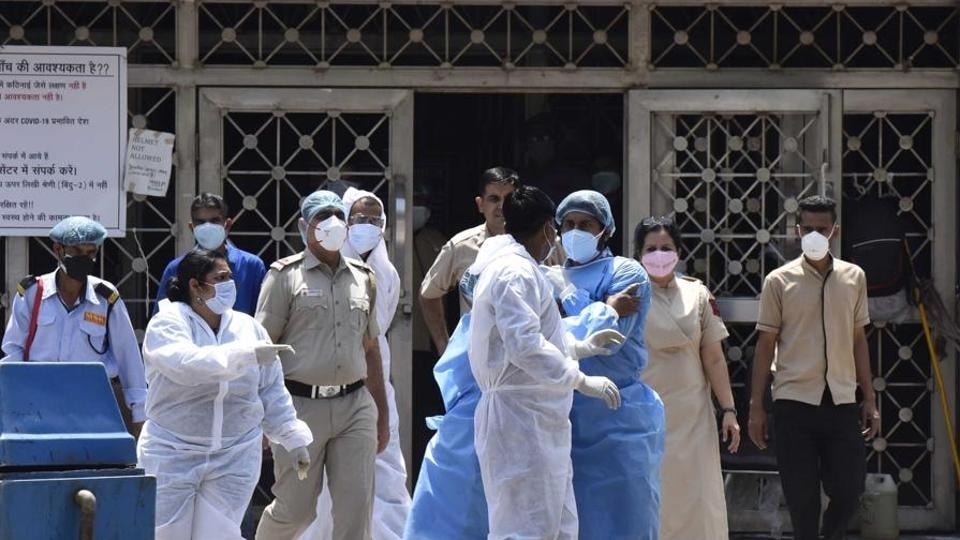
The ministry labelled the study's estimates as "untenable and unacceptable."
The study, published in Science Advances journal, suggested that India lost 2.6 years in life expectancy between 2019 and 2020. The study indicated that socially disadvantaged groups, such as Muslims and Scheduled Tribes, experienced the most significant losses, with females seeing a larger decline (3.1 years) compared to males (2.1 years).
Highlighting several methodological flaws in the study, the health ministry said that the authors used a non-representative subset of households from the National Family Health Survey (NFHS-5), conducted between January and April 2021, to extrapolate mortality rates for the entire country. The ministry argued that the NFHS sample is representative only when considered in its entirety, and the analysis of just 23% of households from 14 states cannot accurately reflect national mortality trends.
The ministry also criticised the study for alleged potential selection and reporting biases, as the data was collected during the peak of the Covid-19 pandemic. It asserted that the Civil Registration System (CRS) in India is robust, capturing over 99% of deaths.
“This reporting has constantly increased from 75% in 2015 to over 99% in 2020,” it said.
The government noted that death registrations increased by approximately 474,000 in 2020 compared to 2019, a trend consistent with previous years and not solely attributable to the pandemic.
“Excess number is also due to an increasing trend of death registration in CRS (it was 92% in 2019) and a larger population base in the succeeding year,” the ministry added.
Read: Health Talk | How real is cognitive impairment in Covid survivors?
It pointed out that the Sample Registration System (SRS), which covers a large and diverse population across the country, reported little to no excess mortality in 2020 compared to 2019.
The government also disputed the study's findings on age and sex-related mortality increases. According to official data, Covid-19 mortality was higher among males and older age groups, contrary to the study's assertion that younger individuals and females experienced greater excess mortality.
“These inconsistent and unexplainable results in the published paper further reduce any confidence in its claims,” it said.


