
 E-Paper



Delhi pollution: CAQM invokes GRAP Stage 3 as air quality deteriorates
Delhi's air pollution levels showed an increasing trend and the 24-hour average air quality index (AQI) stood at 371 at 4 pm.

 Prefer HTon Google


The Commission for Air Quality Management (CAQM), the centre's panel that oversees Delhi-NCR's air quality, invoked the Stage 3 curbs under the Graded Response Action Plan (GRAP) on Friday as the city's air pollution levels increased because of unfavourable weather conditions.
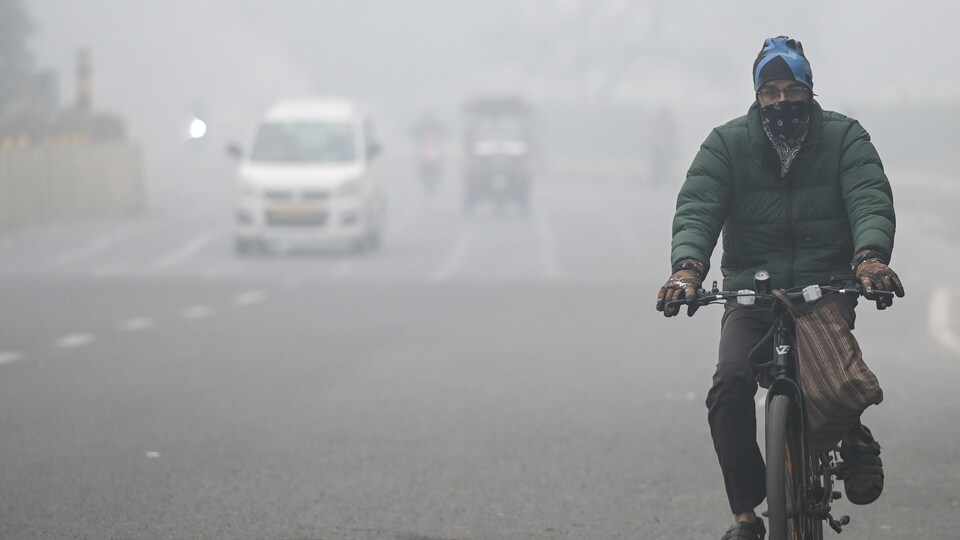
The 24-hour average air quality index (AQI) of Delhi stood at 371 at 4 pm. According to forecasts from the India Meteorological Department and the Indian Institute of Tropical Meteorology, the air quality situation is predicted to deteriorate due to weather conditions, reported PTI.
The CAQM asked authorities in the region to immediately implement curbs prescribed under stage 3 to prevent the deterioration of the city's air pollution.
Last week, the CAQM revoked the Stage 3 curbs under the Graded Response Action Plan (GRAP) as pollution levels in the national capital and adjoining areas decreased due to rains. The decision was taken last week after Delhi's air pollution levels showed a declining trend and the 24-hour average air quality index (AQI) stood at 324.
Also read: Delhi pollution: CAQM revokes GRAP 3 measures as rain improves air quality
The Supreme Court has directed the anti-pollution body and Delhi government that GRAP's Stage III measures must be implemented if the AQI exceeds 350 and Stage IV measures reintroduced if it surpasses 400.
What's banned under GRAP Stage 3?
GRAP Stage 3 entails a ban on non-essential construction work.
Classes up to grade V are required to shift to hybrid mode under Stage 3. Parents and students have the option to choose online education wherever available.
Under Stage 3, the use of BS-III petrol and BS-IV diesel cars (4-wheelers) is restricted in Delhi and nearby NCR districts. Persons with disabilities are exempt.
Stage 3 also bans non-essential diesel-operated medium goods vehicles with BS-IV or older standards in Delhi.


