
 E-Paper



Delhi reduces age bar in major liquor reform
Deputy CM Manish Sisodia said no additional liquor shops will be opened and that the government — which runs roughly two-thirds of the city’s 849 vends — will redistribute its stores to the private sector.

 Prefer HTon Google


The Delhi government on Monday announced it will slash the legal age of drinking in the Capital from 25 to 21, exit the retail alcohol business, and overhaul a labyrinthine tax system as part of a sweeping new policy meant to boost the city’s revenue, crack down on the liquor mafia, and improve user experience.
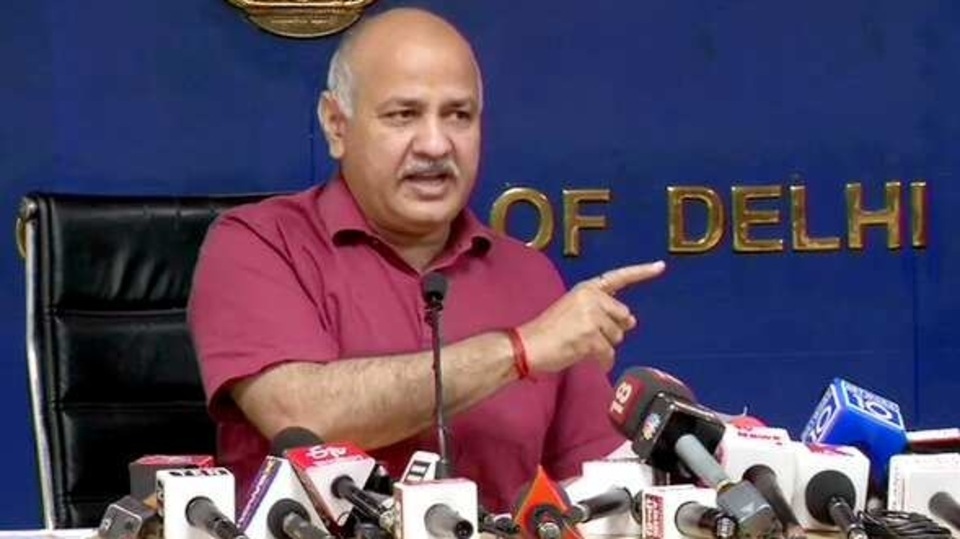
Deputy CM Manish Sisodia said no additional liquor shops will be opened and that the government — which runs roughly two-thirds of the city’s 849 vends — will redistribute its stores to the private sector.
The new policy will abolish the levying of taxes on each bottle, focusing instead on generating revenue upfront from the auction of store licences. It will introduce age gating, or checking of age proof at establishments.The policy aims at providing a more equitable distribution of stores, scraps several antiquated laws regulating service in restaurants, and reduces the number of dry days from 21 to 3.
The steps were cleared by the cabinet on the recommendation of a group of ministers. Sisodia said the excise department will start drafting the new Delhi Excise Policy, 2021, on the basis of the report, and the changes will be sent to the L-G.
It could take about three months till the policy is notified, but the government said it expected backlash.
“Excise reforms announced today will act as a major blow to liquor mafia in Delhi. The mafia will do everything to obstruct these reforms. AAP govt has ended mafia raj in many sectors like education, water, elect, health etc. We are committed to reforming this sector too,” tweeted chief minister Arvind Kejriwal.
Queries sent to the L-G’s office with regard to the development remained unanswered at the time of going to the print.
“In the policy, proxy ownership of manufacturers or wholesalers in the retail business and low-quality shops will be gone. There will be zero-tolerance to liquor shops creating disturbances in localities. Also, all government liquor shops will shut as it’s not the state’s job to sell liquor,” Sisodia told reporters.
He said the excise revenue is projected to increase by ₹1,500-2000 crore annually because of the new policy. Currently, the government gets around ₹6,000 crore from this revenue stream that is important because, unlike full states, Delhi doesn’t have access to all sources of income.
For decades, Delhi’s liquor business has been notoriously unwieldy, as reported in a five-part series by HT in February. A high drinking age, coupled with outdated regulation, a thriving liquor mafia, and poor oversight, robbed the government of precious revenue, made premium brands scarce, and soured the experience for customers, especially women. The HT series was mentioned in the GoM report.
Sisodia admitted the shortcomings, and said the current retail experience at state-run liquor shops was like jail.
“When you go to a shop, there is a grill and people rush and throw money to buy liquor. There is no dignity. Bootlegging and illicit liquor will stop in these areas,” he said.
The GoM report notes that Delhi is among a handful of states that kept 25 as the legal age of drinking. “The GoM is of the view that the this should be brought in line with majority of states in India …Hence we recommend the age to be reduced and be brought in parity with these states and especially neighbouring cities like Noida, Ghaziabad etc,” read the report, which was reviewed by Hindustan Times.
But the government also stressed on robust checking of age for any patrons. “This concept of age gating is practised internationally and the same should be set up in Delhi,” the report said.
The GoM report suggests strict parameters or checks for retail liquor license in Delhi. All liquor vends will need a minimum area of 500 square feet to provide a walk-in experience. Delhi will also have five “super-premium” liquor vends that will be allowed to be open till 11pm, an hour beyond usual vends.
“The retail shopping experience for an average customer in Delhi is very pathetic. The scene outside any government vend resembles a zone of mob craving for liquor. The customer has no choice to choose any product and large-scale brand pushing and extra charging happens rampantly. The customers are made to feel like criminals,” the report read. Brand pushing refers to a practice of suppressing certain brands and pushing others, often at the behest of colluding manufacturers and retailers.
For the retail trade, the government will divide the Capital into 32 zones — including an airport and an NDMC zone — where the existing 849 vends will be redistributed equitably. It has proposed three categories of retail liquor vends – high sale (category A), medium sale (B), and low sale (C), with the same number of vends under each category. The airport zone will have 10 stores and NDMC 29.
To end cartelisation and brand pushing, the draft policy prohibits alcohol manufacturers from opening liquor stores. In wholesale, the government intends to introduce L1 license that will be issued only to high-end professional companies with years of distribution experience comparable to global industry standards.
“Many wholesalers are able to acquire retail licenses through proxy ownership in the existing system. This highly prevalent, though illegal, form of dual ownership facilitates and makes it possible to indulge in sale of non-duty paid liquor… No manufacturer to be given the new L1 wholesale license. Any manufacturer that wishes to sell its product in Delhi will have to choose one of the licensed L1 distributors,” the report stated.
Anurag Katriar, president of the National Restaurant Association of India (NRAI), said the reforms will give a big boost to the food and beverages industry. “While we await the formal release of the detailed policy document, we are very hopeful that they will be very progressive and will significantly change the way Delhi looks at the business of bars,” he said.
The Bharatiya Janata Party opposed the move. “The truth is that actually government liquor shops were a hurdle for private liquor mafia to sell cheap brands of other states in Delhi, and now the Kejriwal government has given them the freedom,” said Delhi unit spokesperson Praveen Shankar Kapoor.


