The US-India relationship is facing a crucible of contentious issues: the fallout from shackled Indian deportees landing in Amritsar, looming tariffs threatening India’s export lifeline, and the uncertain fate of the H-1B visa program vital to Indian tech talent.
Donald Trump and Prime Minister Narendra Modi's personal bond—forged through stadium rallies and mutual praise—has long weathered policy storms, underpinned by a shared strategic vision.
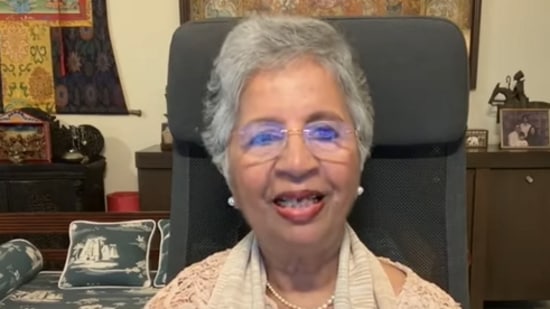
However, Trump’s “America First” agenda is clashing against Modi’s need to protect India’s dignity and economic interests. To evaluate the impact of the visit, Nirupama Rao, former foreign secretary of India and ambassador to the US, joined Hindustan Times' Kumkum Chadha to discuss whether Prime Minister Modi's trip was truly beneficial for India and whether the meeting had more to do with symbolism than anything substantive.
Transcribed by Hinduja Verma
The Trump and Modi relationship thrives on shared goals—countering China, boosting trade, and projecting strength. Deportations might bruise PM Modi’s image, tariffs could spark hard bargaining, and H-1B shifts could either align or misalign their interests. Yet, both are transactional leaders: Modi’s concessions e.g., repatriation, tariff cuts, and Trump’s strategic need for India for Quad, defense deals like jet engine co-production, suggest resilience.
{{/usCountry}}The Trump and Modi relationship thrives on shared goals—countering China, boosting trade, and projecting strength. Deportations might bruise PM Modi’s image, tariffs could spark hard bargaining, and H-1B shifts could either align or misalign their interests. Yet, both are transactional leaders: Modi’s concessions e.g., repatriation, tariff cuts, and Trump’s strategic need for India for Quad, defense deals like jet engine co-production, suggest resilience.
{{/usCountry}}
‘Modi-Trump chemistry significant in showing strength of Indo-US strategic partnership’: Rao
Rao described the high-stakes meeting as successful, with both substance and symbolism. She talked about the good personal chemistry between Modi and Trump which she believes was significant in showing the strength of the Indo-U.S. strategic partnership.
“There was excellent communication between both of them and the impression that one came away with was that the Indo-U.S. strategic partnership is in good hands,” she said.
Based on recent events and their historical dynamic, the relationship is likely to adapt rather than rupture. The deportation of 104 undocumented Indian nationals on February 5, 2025, in shackles on a U.S. military C-17 flight sparked outrage in India, from parliamentary protests to opposition criticism of Modi’s government. Trump’s aggressive immigration crackdown—evident in executive orders and plans for mass deportations—clashes with Modi’s domestic image as a global leader protecting Indian dignity.
On being asked about there being no word from PM Modi’s side on the inhumane treatment of Indian nations under Trump’s deportation policies, Rao acknowledged the unfair and disrespectful treatment of immigrants. She expressed concern about the way they were deported, stating, "The manner in which our people were deported is not in consonance with how human beings should be treated." Rao further added that she is certain that this issue was addressed behind closed doors, with India making its position clear.
Trump and PM Modi's track record—navigating trade spats in 2019 and quadrupling defense deals despite visa hiccups—showed a partnership built on necessity as much as affinity. Deportations may sting India’s pride, tariffs may squeeze its markets, and visa shifts may rattle its diaspora, but both leaders thrive on cutting deals that serve their larger goals
The full interview is available on this link on Hindustan Times’ Youtube channel.