
 E-Paper



‘EC used BJP-devised AI tools’: Mamata Banerjee alleges discrepancies in West Bengal voter roll deletions
Mamata Banerjee alleged that those whose names were removed were not even informed about the grounds for deletion, leaving them no chance to respond.

 Prefer HTon Google


West Bengal chief minister Mamata Banerjee on Tuesday alleged that the Election Commission (EC) had deleted 54 lakh names from the draft electoral rolls during the ongoing Special Intensive Revision (SIR) in the state, without giving voters an opportunity to defend themselves.
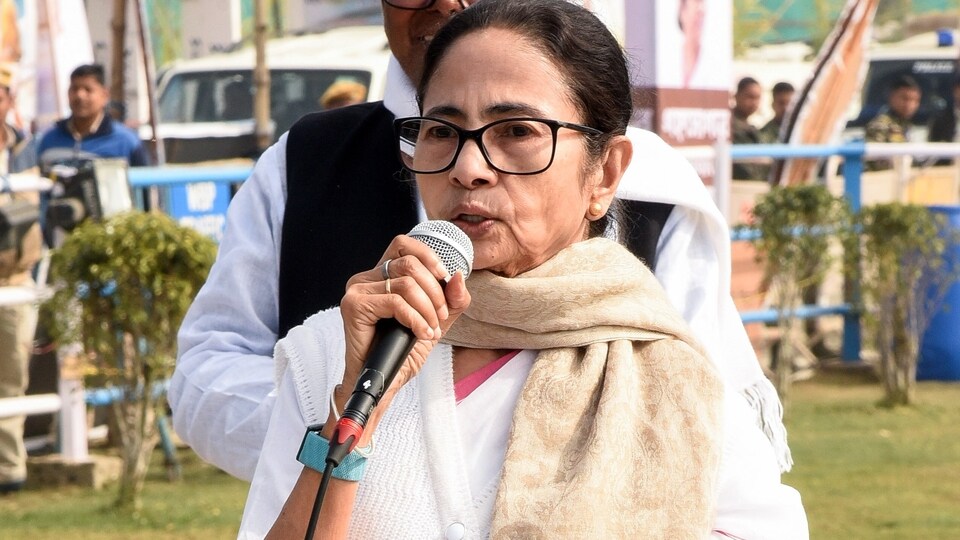
Addressing a press conference at the state secretariat Nabanna, Banerjee claimed that the deletions were carried out by misusing the powers of electoral registration officers (EROs) and largely affected what she described as “genuine electors,” reported PTI news agency.
According to her, a significant number of the deleted entries belonged to legitimate voters who were wrongfully excluded during the SIR process.
Also Read | Mamata Banerjee flags ‘AI-driven errors’ in electoral roll revision, writes to CEC again
Banerjee further alleged that those whose names were removed were not even informed about the grounds for deletion, leaving them no chance to respond or contest the decision.
Allegation of AI misuse
“The EC, while sitting in Delhi, used AI tools devised by the BJP to delete names. These AI software accounted for the names mismatch in SIR data. They deleted names of women who changed surnames post marriage,” PTI report quoted Banerjee as saying.
She further claimed that errors arising from AI-driven digitisation led to mismatches in voter records, disproportionately impacting women and others whose personal details had legitimately changed over time.
‘Logical discrepancy added to expand deletions'
Claiming that the term ‘logical discrepancy’ was not part of the original SIR verification process, Banerjee said it was later introduced to justify further deletions.
She alleged that the “BJP-EC nexus” was planning to remove another one crore names from the final electoral rolls.
“The EC has not allowed BLA-2s to attend hearings because the BJP couldn't amass its workers to do the job,” Banerjee, who is also the Trinamool Congress supremo, said.
BLA-2s, or Booth Level Agents appointed by political parties, play a role in representing voters during verification and hearings.
Earlier on Monday, Banerjee wrote to Chief Election Commissioner Gyanesh Kumar for the fifth time since the controversy around the SIR exercise began.
In her letter, she claimed that AI-driven digitisation errors in the 2002 electoral rolls were causing widespread hardship to genuine voters during the revision process.
Procedure ‘fundamentally flawed’, says CM
Banerjee also claimed that no proper acknowledgement was being issued for documents submitted during the SIR process, alleging that the entire procedure was “fundamentally flawed”.
The Election Commission has not yet responded publicly to the allegations made by the chief minister.
According to the news agency, in the letter, Banerjee said serious errors occurred during the digitisation of the 2002 voters’ list using AI tools, resulting in large-scale data mismatches and the wrongful categorisation of genuine voters as having “logical discrepancies”.
She accused the EC of disregarding statutory procedures followed over the past two decades and said voters were being forced to re-establish their identity despite earlier corrections made after “quasi-judicial hearings”.
(With PTI inputs)


