E-Paper



Eight cheetahs to be translocated from Africa to MP’s Kuno National Park
The translocation of the 8 cheetahs from South Africa comes more than a decade after the proposal was first mooted in 2010 by the central government


Madhya Pradesh’s Kuno National Park will get African Cheetahs as part of India’s first inter-country big cat relocation project, a senior state forest department official said on Thursday after the MP government received a confirmation from the Union ministry of environment, forest and climate change. Five male cheetahs and three females will be donated by Endangered Wildlife Trust (EWT) of South Africa, said Alok Kumar, principal chief conservator of forest (Wildlife).
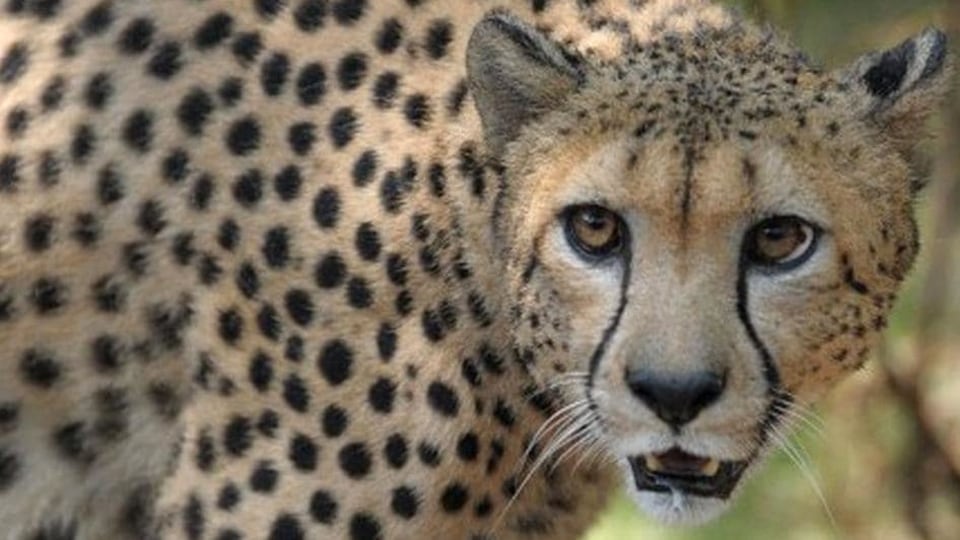
The translocation of African Cheetah is a part of Government of India to reintroduce the fastest land animal in India after extinction of the Asiatic cheetah in the 1950s.
The final call was taken after EWT national Cheetah Metapopulation manager Vincet Van Der Merwe visited Kuno eight days ago to assess the preparations and suitable habitat for cheetahs, said Kumar.
Merwe found Kuno National Park to be one of the best habitats for translocation of cheetah in India. He gave a few minor suggestions including fencing to make it more suitable for the cheetah by September, said Kumar.
Divisional forest officer, Sheopur, PK Verma said, “The expert, Merwe said Kuno has a perfect grassland and prey base for cheetahs. We have started preparation for translocation.”
The central government has allocated ₹14 crore for the project. The state government had earlier projected an estimated expenditure of ₹22 crore under Annual Operation Plan (AOP, said a forest official, who didn’t wish to be quoted.
“We don’t want to take any risk because it is a matter of pride for our country and the success of this project will decide the fate of translocation of more cheetahs in India,” said the officer.
Additional PCCF (wildlife) JS Chauhan said: “The money will be used for the development of fencing, cutting thorny trees, cages for cheetah and transportation of cheetah from South Africa.”
The Supreme Court approved the project in January 2020 and formed a three-member committee comprising of former director Wildlife of India Ranjit Singh, DG of Wildlife of India Dhananjay Mohan and DIG, Wildlife, Ministry of Environment and Forests to guide the National Tiger Conservation Authority in translocation of the African cheetah from South Africa and Namibia to India.
The expert committee visited four sites in MP and one in Rajasthan to select the suitable habitat for cheetah. In early January, the committee submitted its report to the state government.