E-Paper



'Ensure disengagement at other friction points on LAC': India tells China again
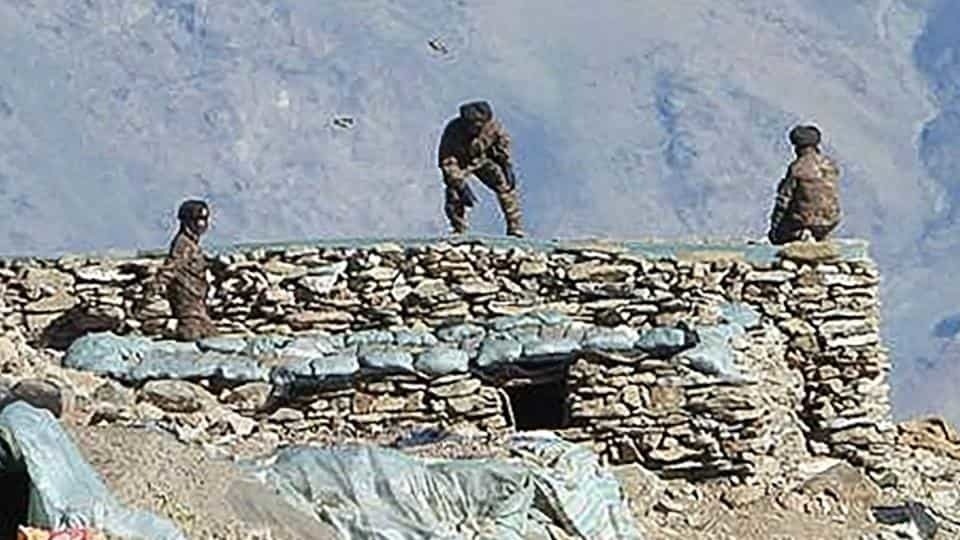
Following an agreement last month on pulling back frontline troops along with armoured vehicles and artillery from strategic heights around Pangong Lake, the two sides have been unable to make progress on disengagement at other friction points such as Depsang, Hot Springs and Gogra.

 Prefer HTon Google


India on Friday said it expects China to work jointly to ensure disengagement in the remaining friction areas along the Line of Actual Control (LAC) in Ladakh sector as this alone can set the stage for restoring normalcy in bilateral ties.
The comments by external affairs ministry spokesperson Anurag Srivastava were a reiteration of the message conveyed by foreign minister S Jaishankar to his Chinese counterpart Wang Yi during a phone conversation on February 25.
Following an agreement last month on pulling back frontline troops along with armoured vehicles and artillery from strategic heights around Pangong Lake, the two sides have been unable to make progress on disengagement at other friction points such as Depsang, Hot Springs and Gogra.
Though the two foreign ministers agreed during their phone conversation on setting up a hotline to improve timely communications, differences remained on addressing the standoff on the LAC. Wang suggested the two sides should set aside the border issue, while Jaishankar insisted bilateral ties can be repaired only by completing disengagement at all friction points.
“It is, therefore, our expectation that the Chinese side will work with us, both through the WMCC [Working Mechanism for Consultation and Coordination] and the senior [military] commanders’ meetings to ensure that disengagement in the remaining areas is completed at the earliest,” Srivastava told a regular news briefing.
“This would allow both sides to consider de-escalation of forces in eastern Ladakh as that alone will lead to the restoration of peace and tranquillity and provide conditions for progress in our bilateral relationship,” he said.
Srivastava pointed out that Jaishankar had told Wang during last week’s phone conversation that following the completion of disengagement in Pangong Lake area, “the two sides should now move quickly to resolve the remaining issues along the LAC in eastern Ladakh”.
Details for establishing the hotline between the two foreign ministers will be worked out through diplomatic channels, he added.
The senior military commanders, at their last meeting on February 20, had noted that the disengagement at Pangong Lake was a “significant step forward and it provided a good basis for the resolution of other remaining issues along the LAC in the western sector,” Srivastava added.
The commanders had also had a detailed exchange of views on the remaining issues at their last meeting.
Srivastava noted that Jaishankar had also pointed out to the Chinese foreign minister that “both sides have always agreed that maintenance of peace and tranquillity in the border area was an essential basis for the development of bilateral relations”.
He added, “A prolongation of the existing situation was not in the interest of either side.”