
 E-Paper



Nuclear submarines for India? Evolving strategic reality in Indo-Pacific may make India go the Australia way
Just as Australia took a 180-degree turn from 12 French-built diesel attack submarines to nine US Virginia class nuclear powered and conventionally armed submarines or SSNs, the Modi government will also have to make dyed in the wool admirals understand the deterrence of the nuclear platform.

 Prefer HTon Google


The Australian decisive recognition of strategic reality in the Indo-Pacific by pitching for nuclear attack and not diesel submarines has forced India and Japan to rethink their naval posture in the wake of the belligerent Chinese navy. While Indian national security planners are now seriously thinking of upgrading its sub-surface naval capacities, the successor of Japanese Prime Minister Yoshihide Suga will have to take a call on the war renunciation clause enshrined in article nine of their constitution. Even though China is one of the largest trade and investment partners of Japan, the latter along with India are the only two Quad powers who have a land dispute with Beijing. For the US it is a superpower competition with China and Australia has a trade dispute with Beijing.
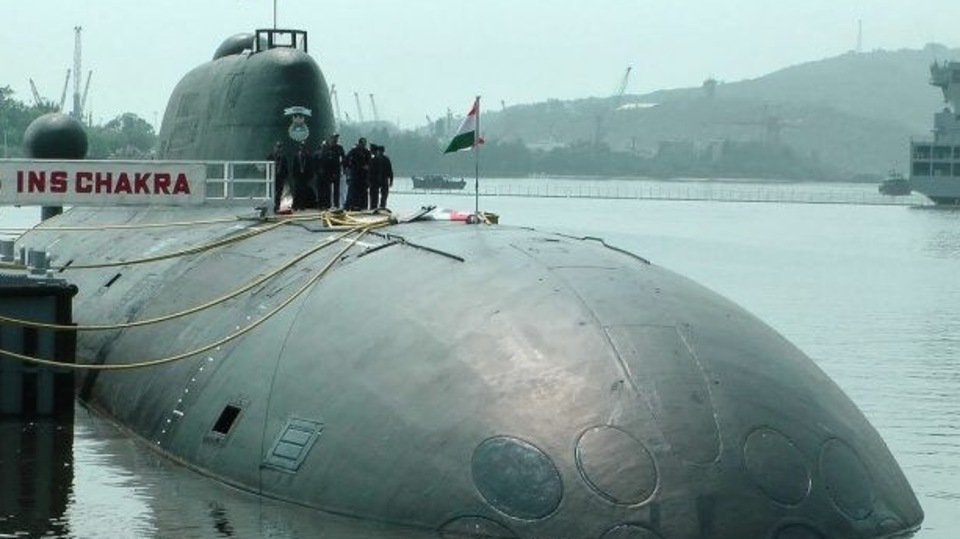
Just as Australia took a 180-degree turn from 12 French-built diesel attack submarines to nine US Virginia class nuclear powered and conventionally armed submarines or SSNs, the Modi government will also have to make dyed in the wool admirals understand the deterrence of the nuclear platform. Just like the Indian Navy still carries the imperial Cross of Saint George on its flag, its admirals want 24 diesel submarines as prescribed by a two-decades-old plan along with three SSNs. The 1999 submarine plan was cleared by the Atal Bihari Vajpayee government at such a time when even mentioning the word potential threat along with China was considered taboo. The then defence minister George Fernandes realised this much to his chagrin as he was pilloried by Indian media and so-called strategists for calling China a potential future threat.
The reality in the Indo-Pacific today is totally different with the Chinese navy dominant on the major sea lane to Japan and South Korea and threatening anyone following the rule of the sea with military consequences. The Indian situation may become direr as credible Pakistani defence handles are tweeting about Islamabad acquiring a Chinese nuclear attack submarine. While there is no intelligence to substantiate this, but if this happens, it will change the game in the Arabian Sea and present a clear danger to the vast Indian coastline.
With China still blaming India for the June 2020 Galwan clash despite unilaterally trying to impose an already rejected 1959 line on LAC a month before, the Modi government must have robust naval platforms for sea denial to aggressive Chinese Navy in case of the worst-case scenario. And as nuclear attack submarines take more than a decade to build even with all the technology in hand, this decision must come now for the Chinese will be operating three aircraft carriers by 2025 and patrolling the Indo-Pacific.
One of the key lessons from the May 2020 LAC transgressions in Ladakh is that Beijing has no desire to compromise on the boundary dispute with India in either western, eastern, or middle sectors. The unilateral aggression shown in May 2020 by the PLA makes it evident that China will not yield an inch for resolution of the six-decade-old boundary issue. Rather than get carried away by the Chinese narrative of a tranquil border, there should be no slack in Indian deterrence on land, air and at sea. Or else the results will be disastrous.


