E-Paper



Expect no major initiative on Pakistan till 2019 general elections: Sources
There is also no Track II process currently underway with Pakistan and the move by the two countries in November to open a corridor for Indian pilgrims to visit Kartarpur gurdwara in Pakistan was an initiative linked more to culture and faith, the sources said.


There is unlikely to be “any major initiative” on relations with Pakistan until India’s election process is completed in 2019 as cross-border terrorism continues to be a key concern for New Delhi, people familiar with developments said on Thursday.
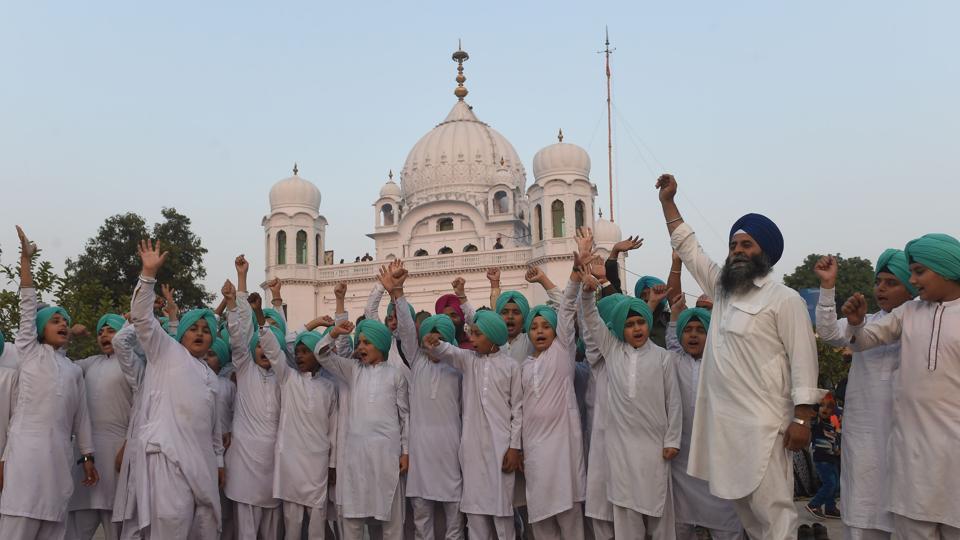
There is also no Track II process currently underway with Pakistan and the move by the two countries in November to open a corridor for Indian pilgrims to visit Kartarpur gurdwara in Pakistan was an initiative linked more to culture and faith, the people said.
India and Pakistan conducted separate ceremonies last month to begin work on the corridor, which is expected to be completed in time for the celebration of the 550th birth anniversary of Guru Nanak, the founder of Sikhism, in November 2019.
The Kartarpur corridor is an “important development but it is not a diplomatic initiative”, the people said. It is not a political or diplomatic issue that will lead to Indian opening a “dialogue on larger issues”, they added.
There has been no “reduction in cross-border terrorism on the border” in Kashmir, a key issue that led to India calling off a planned meeting of the foreign ministers of the two countries in September, the people said.
Following Pakistan’s general election in July, Prime Minister Narendra Modi and external affairs minister Sushma Swaraj had reached to Imran Khan even before he had been elected the premier, they said. Modi telephoned Khan and wrote a letter to him, they added.
When Khan wrote back offering to hold a meeting on the sidelines of the UN General Assembly in New York, the Pakistani reply was taken “at face value” despite reservations that there had been no change in Pakistan’s fundamental policy, shelling was continuing on the Line of Control and the investigation into the 2008 Mumbai attacks had stalled, they said.
After three policemen were killed soon after India agreed to the meeting in New York, the “general sense in the government was that there is really no effort or no ability of the new civilian leadership in Pakistan to actually control the situation, which was being managed from somewhere else”, a person said.
In a separate development, a Pakistan high commission official was summoned to the external affairs ministry on Thursday and a strong protest lodged over cross-LoC terrorist infiltration and targeting of civilians and security forces on December 21 and 26, leading to loss of lives on the Indian side.
“Our grave concern was conveyed at Pakistan’s continued support to cross-border terrorist infiltration into India, including supporting cover fire provided by Pakistan forces,” a statement from the ministry said. Despite repeated calls for adherence to the 2003 ceasefire, Pakistani forces carried out more than 1,962 incidents of unprovoked ceasefire violations in which 50 Indians died.
Meanwhile, Pakistan has described the Kartarpur corridor as the “high point of diplomacy” for the Imran Khan government while admitting that there was “no progress” on contentious issues with India.
In his weekly briefing on Thursday, Foreign Office spokesperson Mohammad Faisal said Prime Minister Khan in a letter to his Indian counterpart Narendra Modi in September gave a detailed road map to move forward but New Delhi failed to reciprocate.
Faisal said that the Kartarpur corridor was the “high point of diplomacy for Pakistan’s new government, along with Afghan (peace) developments.”
To a question about India’s role in the Afghan peace process, Faisal said, “India has no role in this”.
“Efforts to restore peace with India were made by reopening the Kartarpur Corridor,” said Foreign Office spokesperson Mohammad Faisal, hinting that Indian officials visiting Pakistan for the ceremony was a sign of improved relations.
Faisal said, however, there was “no progress” on contentious issues with India and the Kartarpur corridor was the only positive development.